

Kabale University Holds Annual General Staff Meeting, Reaffirms Commitment to Excellence, Innovation and Institutional Growth
Kabale, Uganda | 25 August 2026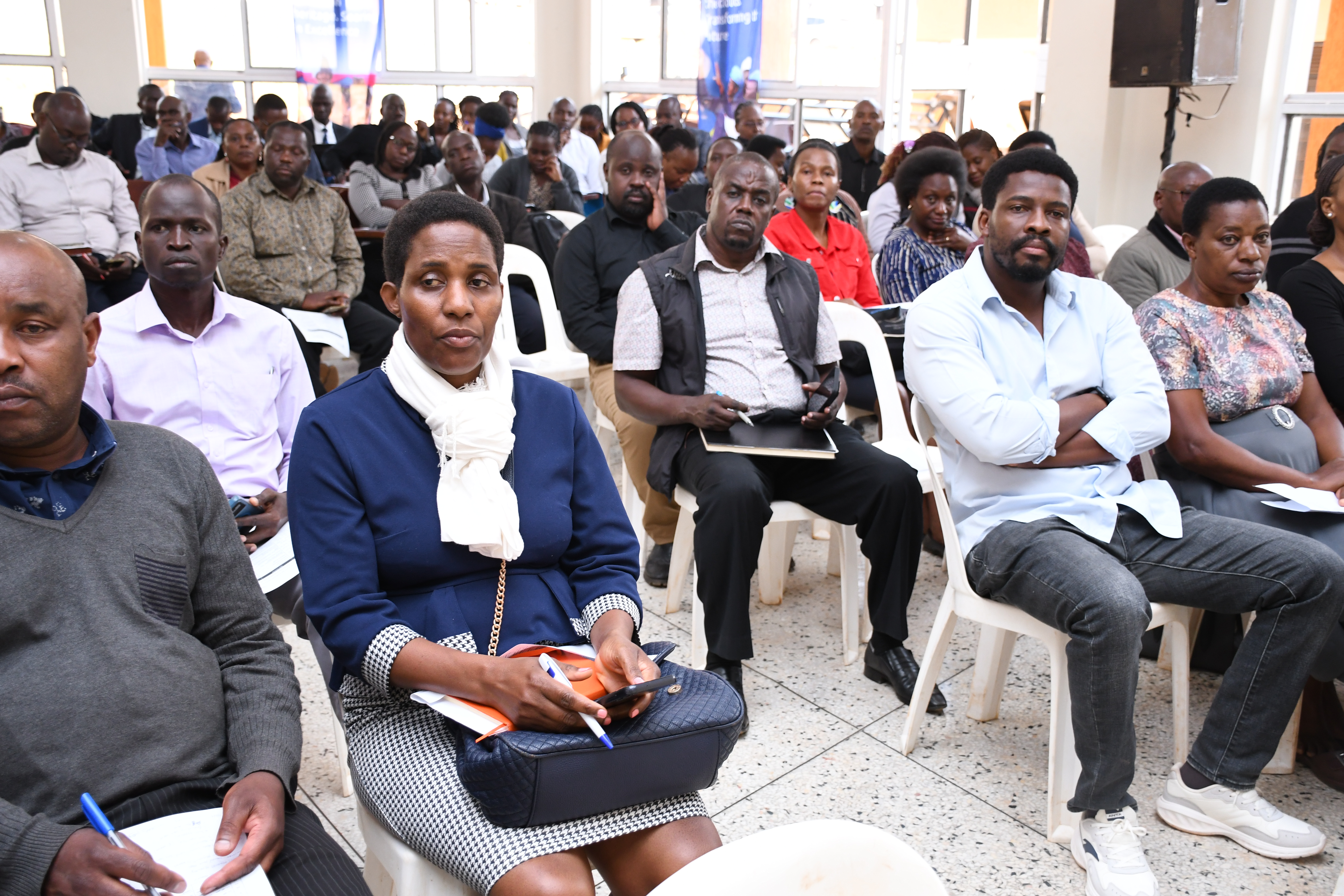
Kabale University has reaffirmed its commitment to advancing academic excellence, research and innovation, staff development, community engagement and international visibility as the institution prepares for the 2026/2027 academic year.
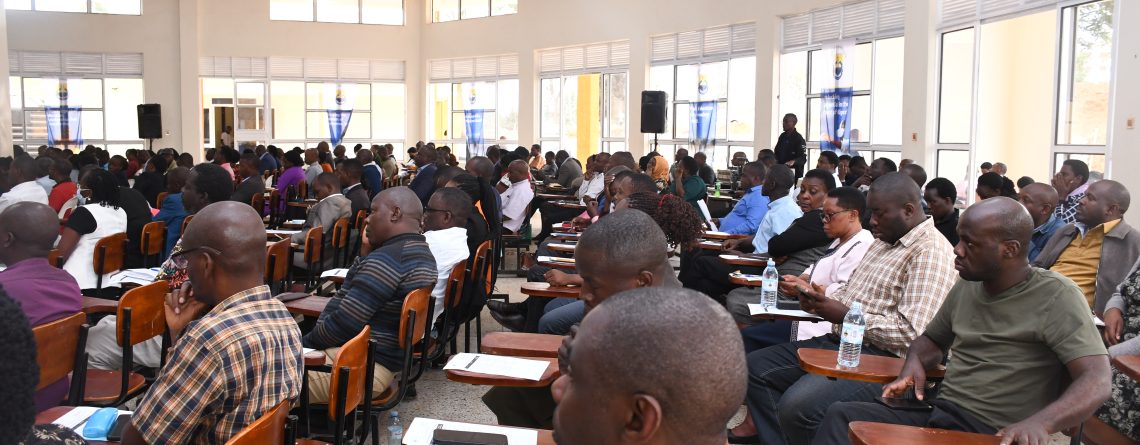
The commitment was emphasized during the University’s Annual General Staff Meeting held on Tuesday, 25 August 2026, at the new Main Hall in the Faculty of Education building, Kikungiri Campus. The meeting brought together university management, full-time and part-time staff to review institutional performance and agree on priorities for the coming academic year.
The meeting was presided over by the Acting Vice Chancellor, Prof. Jonny Mugisha, who urged all staff to renew their commitment to Kabale University’s vision, mission, motto and core values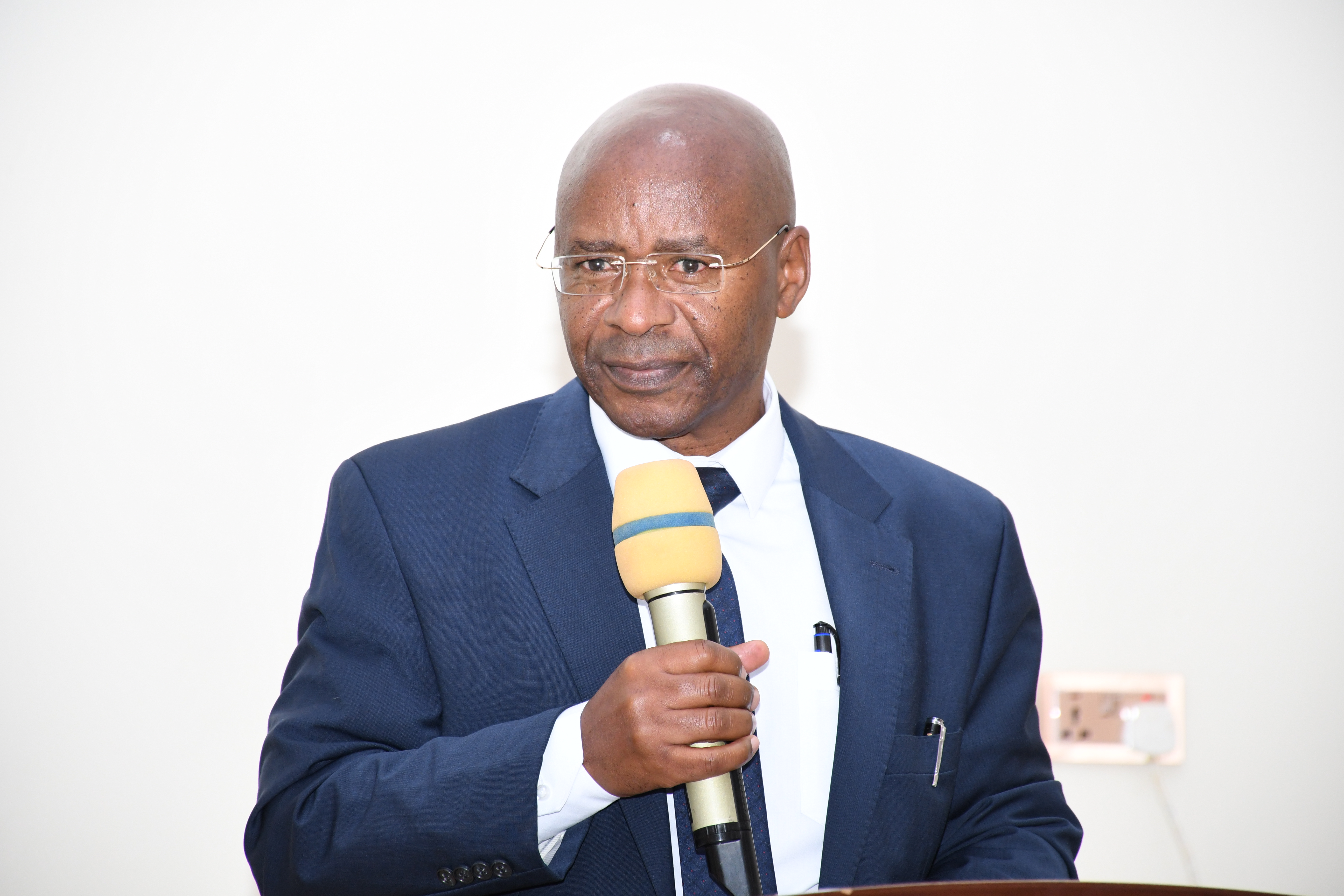 .
.
Prof. Mugisha cautioned that absenteeism, inadequate supervision, insufficient teaching time, weak teaching practices and limited staffing could undermine the quality of education and the University’s academic standards.
“Let’s love our jobs like the way we loved them at the application stage,” Prof. Mugisha told staff.
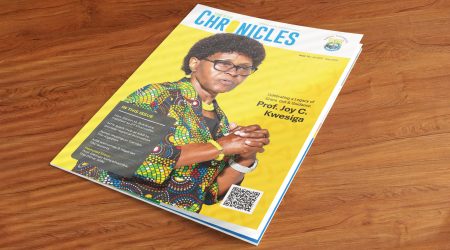
He emphasized that although the composition of university management has changed since the previous general staff meeting, following the departure of former Vice Chancellor Prof. Joy Constance Kwesiga, the University’s vision, mission and strategic objectives remain unchanged.
He outlined the University’s strategic priorities, including producing knowledgeable and competitive graduates, strengthening research and innovation, and improving management and support systems.
Improving Teaching, Supervision and Academic Standards
A significant part of the meeting focused on improving the quality of teaching, learning and supervision.
Prof. Mugisha expressed concern about inadequate time allocated to lectures and weaknesses in the supervision of students’ research and projects, particularly at postgraduate level. He urged academic staff to take supervision seriously and only accept responsibilities within their areas of competence.
He also challenged lecturers to reflect on whether Kabale University graduates are sufficiently prepared to compete with graduates from other universities nationally and internationally.
“The quality of our graduates is highly compromised. We need a major improvement, research, and rethinking. Let’s do something different,” he said.
The Academic Registrar Mr Tibenderana Narcicir further reminded academic staff that teaching timetables should be implemented at faculty level and that lecturers are expected to provide course outlines at the beginning of every semester.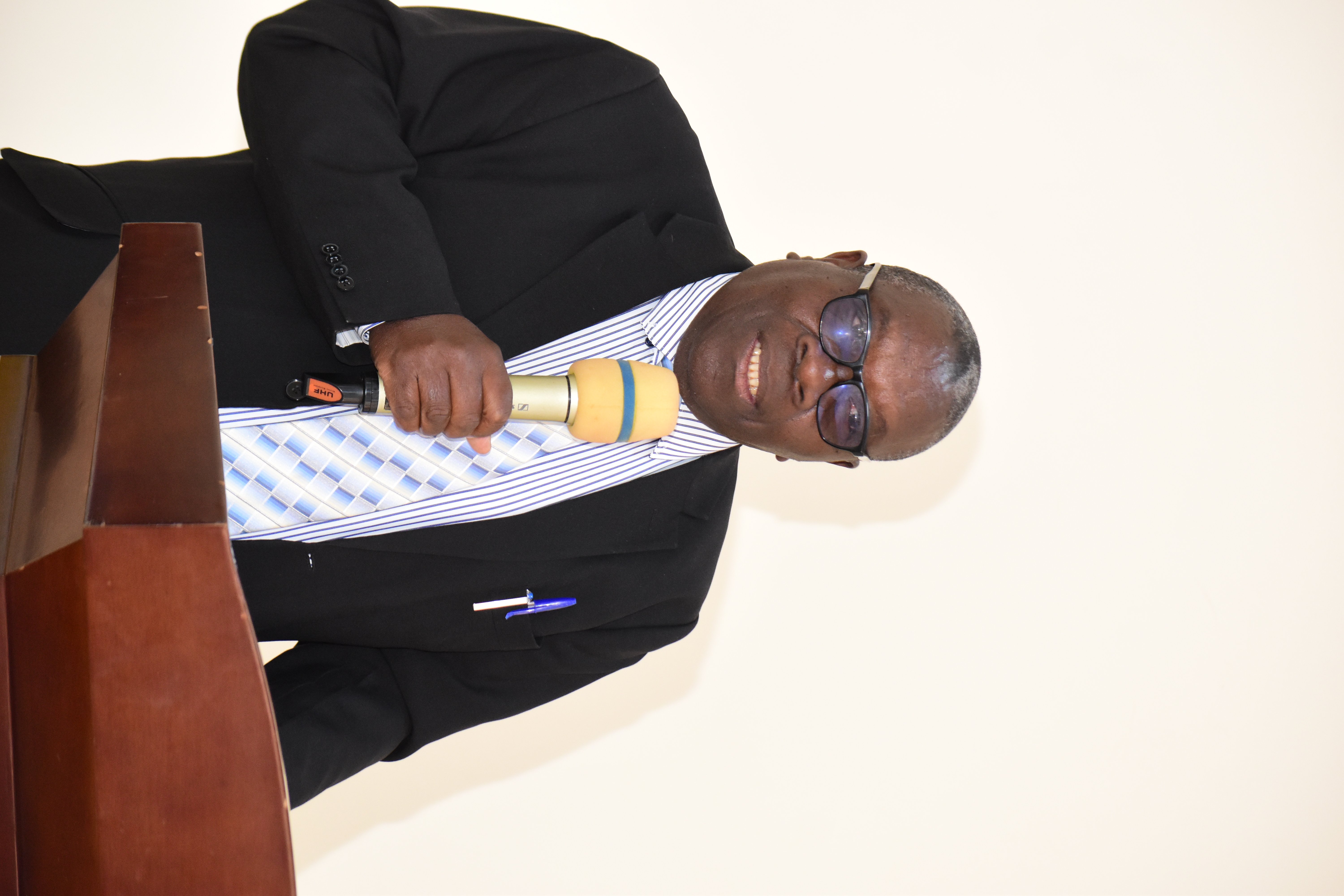
He noted that teaching commences promptly after students report and that the University monitors teaching regularly, including responding to student complaints regarding missed classes and incomplete course outlines.
Lecturers were also encouraged to prepare examination papers in good time and ensure that central marking is completed within the stipulated period.
The Academic Registrar called for accelerated review of academic programs to ensure alignment with the competency-based curriculum, with an institutional target of having programmes appropriately arranged by the end of October.
Staffing and Staff Welfare
Staffing remains one of the University’s major institutional challenges, with current staffing levels reported at approximately 25 percent.
The Chief Human Resource Officer, Emmanuel Arinaitwe Habarwasha, informed staff that the Government has allocated Shs 2 billion to Kabale University for recruitment in the 2026/2027 financial year.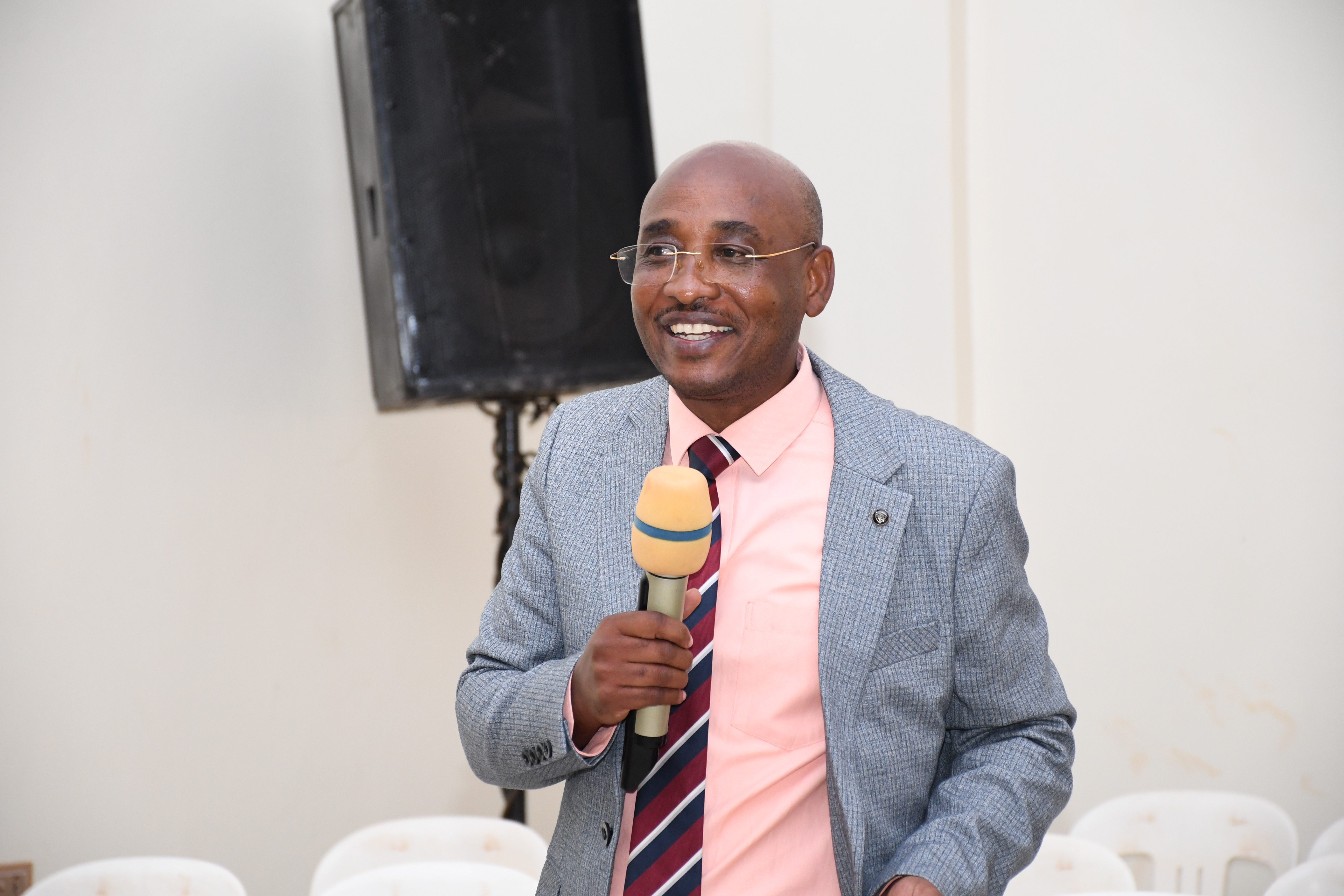
He nevertheless identified absenteeism, late coming, delayed performance appraisals, misuse of study and sick leave, staff turnover and financial indiscipline as some of the challenges requiring attention.
University Secretary Johnson Munono Baryantuma explained that staff promotion remains part of the University’s human resource culture, although implementation depends on the availability of resources.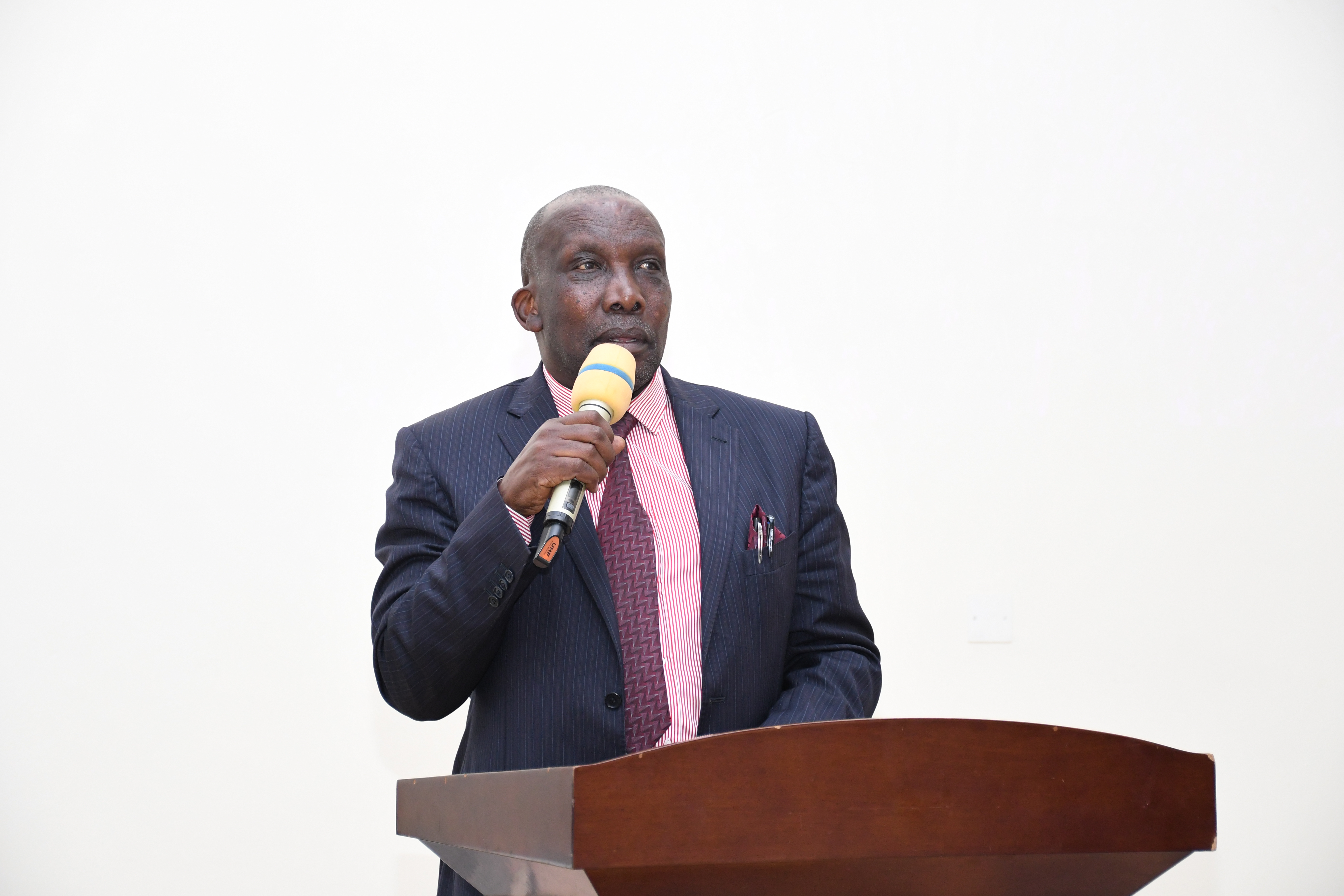
Management also disclosed that proposals for a staff education scheme and health scheme are being developed by university vice chancellors and are expected to be submitted to the President of Uganda.
Part-time staff member Evarist Arinaitwe appreciated management for recognizing the contribution of part-time staff, noting that such recognition contributes to staff motivation.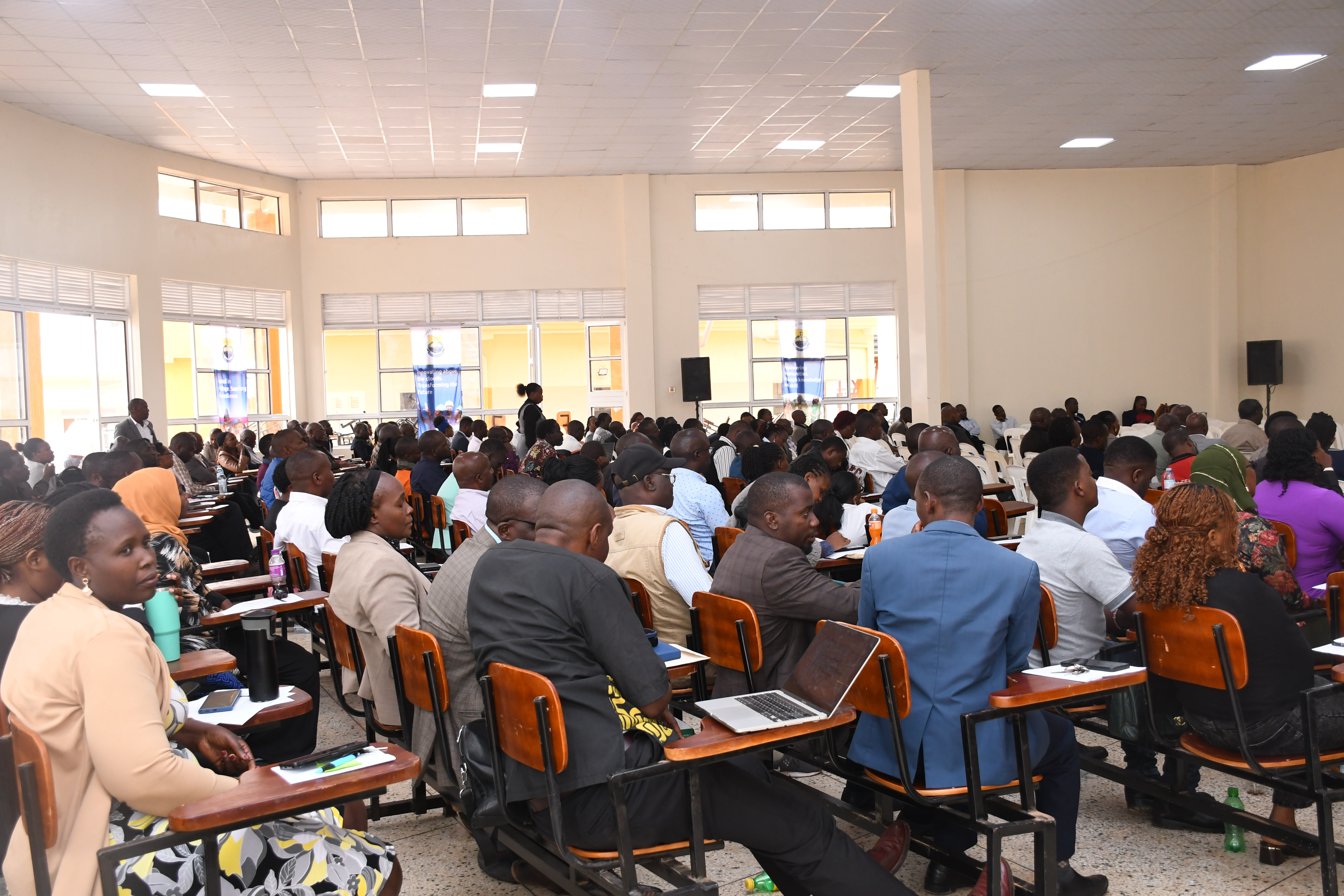
Research, Innovation and Responsible Publishing
Research and innovation featured prominently during the meeting.
The Chief Research and Grants Officer, Dr Julius Arinaitwe Alexander, highlighted the University’s continued support for internal and external research grants. He cited ongoing research in areas such as Kabale potatoes, dairy farming and kwashiorkor as examples of research with potential community impact.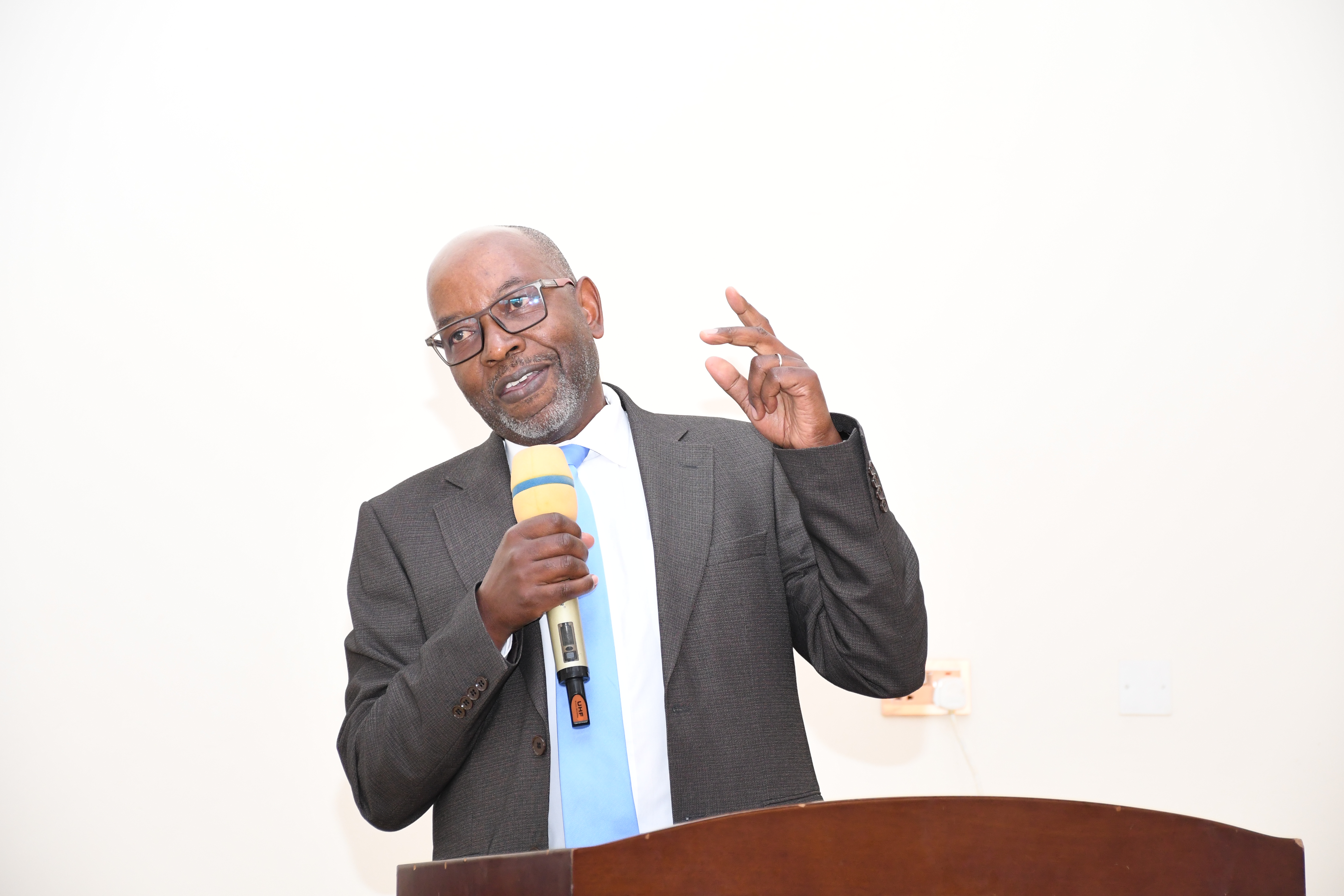
He encouraged researchers to strengthen collaboration rather than working in isolation and pointed to facilities such as KABIC and the MTN Spark Hub as important platforms for research, innovation and entrepreneurship.
Staff were also encouraged to support innovators in protecting, developing and commercializing their innovations.
The Acting Vice Chancellor and Dean of Kabale University School of Medicine, Prof. James Tumwine, cautioned researchers against publishing in predatory journals, noting that poor publication choices can damage the University’s reputation and negatively affect its ranking.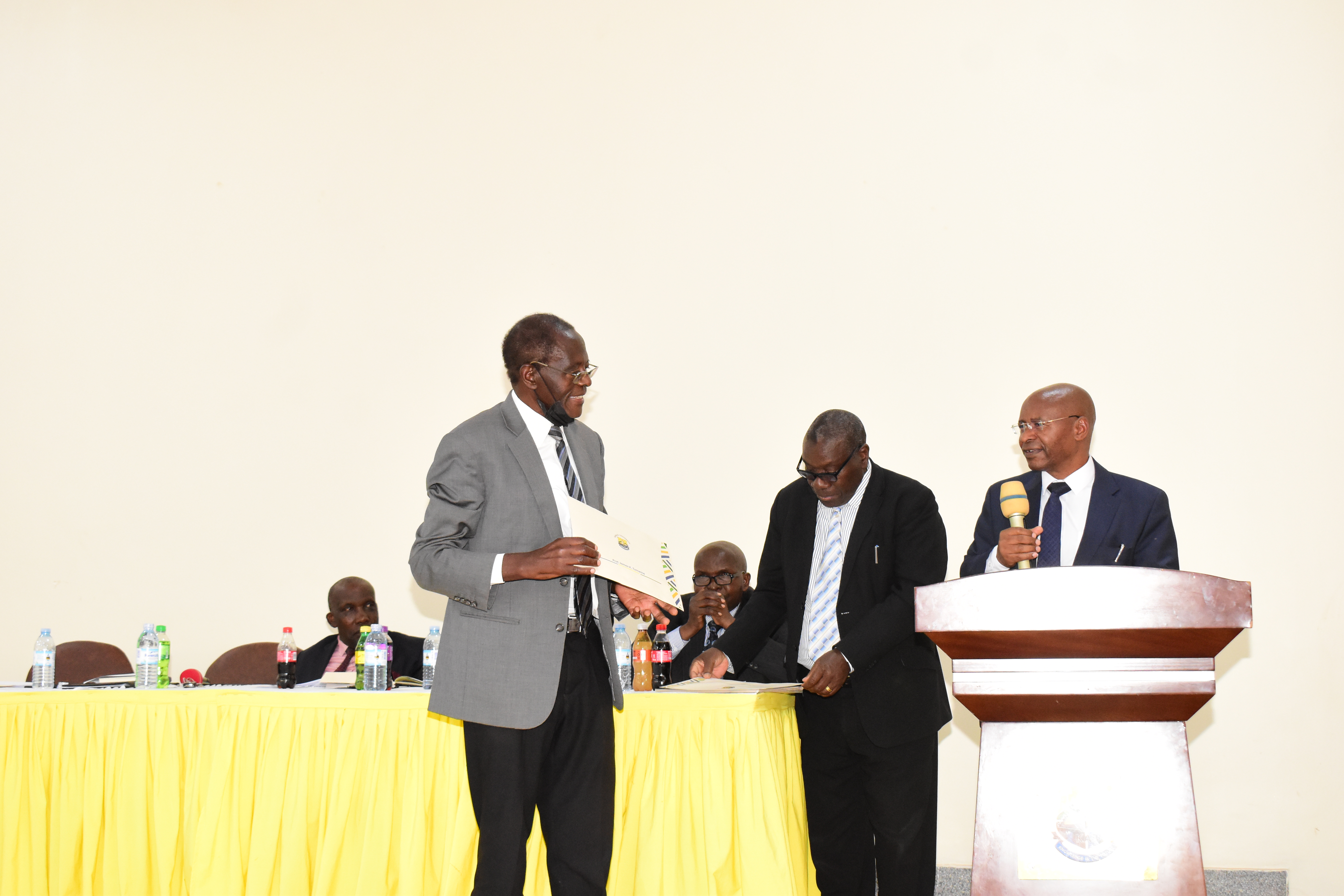
Staff were encouraged to publish in reputable and properly indexed journals and to keep their university research profiles updated.
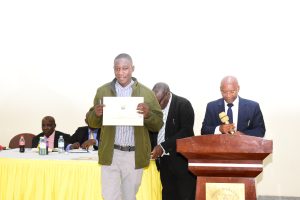
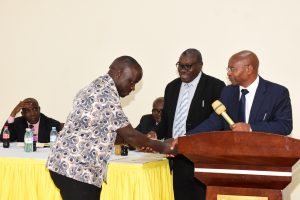
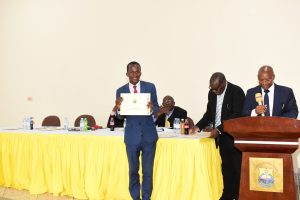
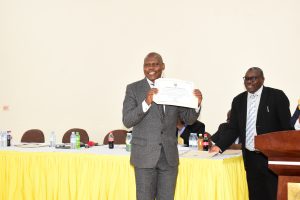
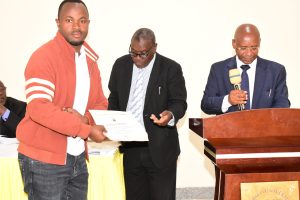
Prof. Mugisha recognized some staff members for their research and publication contributions, including Prof. James Tumwine, Dr Daniel Eze Ejike, Benson Turyasingura, Dr Alex Saturday, Jane from KABSOM, Dr Solomon Wafura, Dr Kenneth Kasozi, Dr Agnes Kasede Napyio, Dr Herbert Ainamani, Evarist Arinaitwe, Ivan Mugumya and Dr Christopher Paapa. 




Maintaining Momentum in University Rankings
Prof. Mugisha cautioned staff against complacency following the University’s improved performance in national rankings.
Prof. James Tumwine reported that Kabale University currently ranks fourth nationally among 68 universities in Uganda, with visibility, transparency and research excellence contributing significantly to its ranking performance.
He attributed part of the University’s growing visibility to the efforts of the communications and branding team, particularly the Principal Communications and Branding Officer, Canon Godfrey Joseph Sempungu.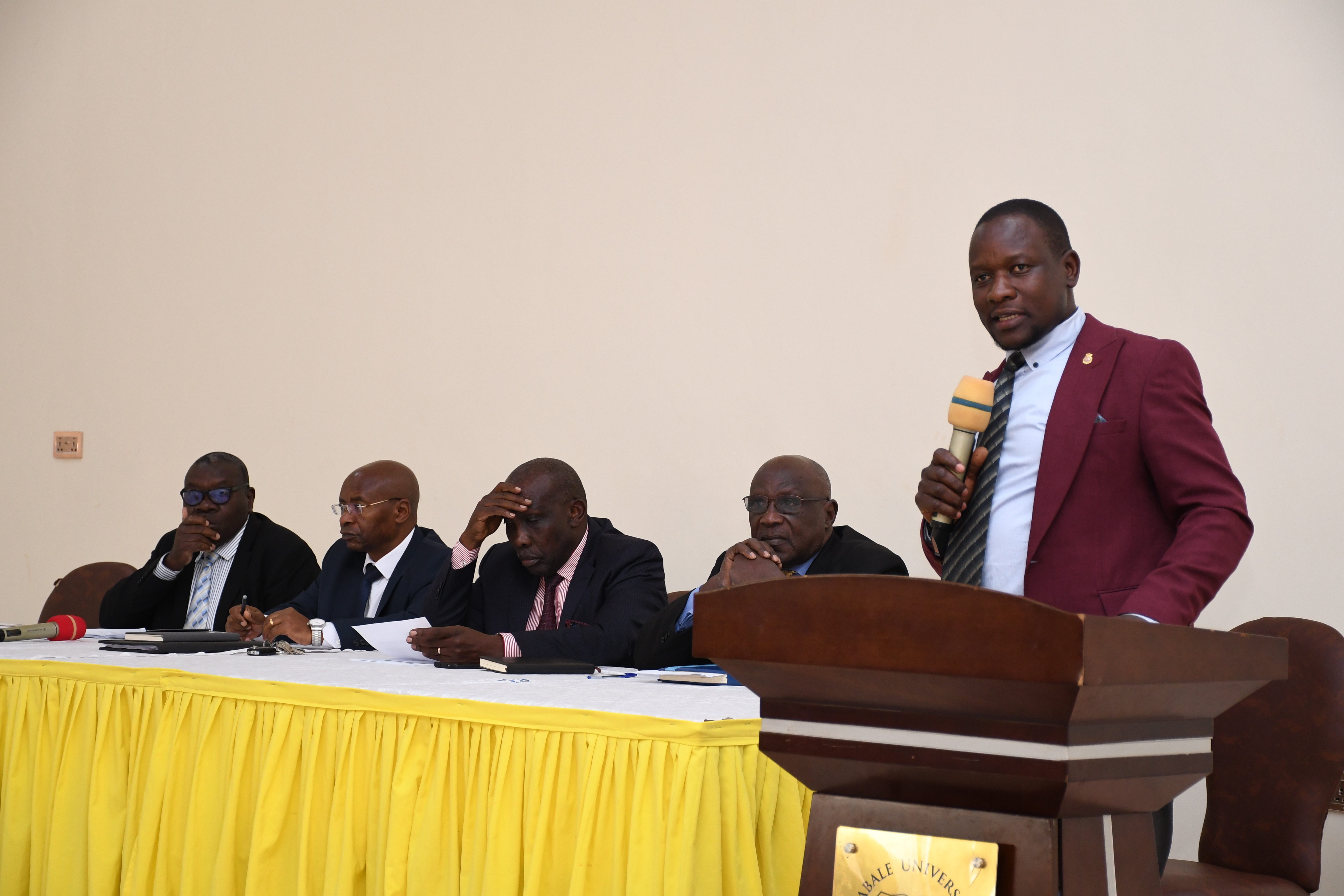
Prof. Tumwine also noted the continued strong performance of Kabale University School of Medicine in African rankings over the past three years.
The Acting Vice Chancellor observed that increasing numbers of students seeking admission, particularly into STEM programs, demonstrate growing confidence in the University’s academic programs. He commended the Academic Registrar, faculties and communications team for strengthening student recruitment and institutional communication across the country.
He noted, however, that infrastructure and capacity limitations continue to constrain the University’s ability to admit some qualified applicants.
Embracing Artificial Intelligence in Teaching and Learning
Artificial intelligence was one of the key emerging issues discussed during the meeting.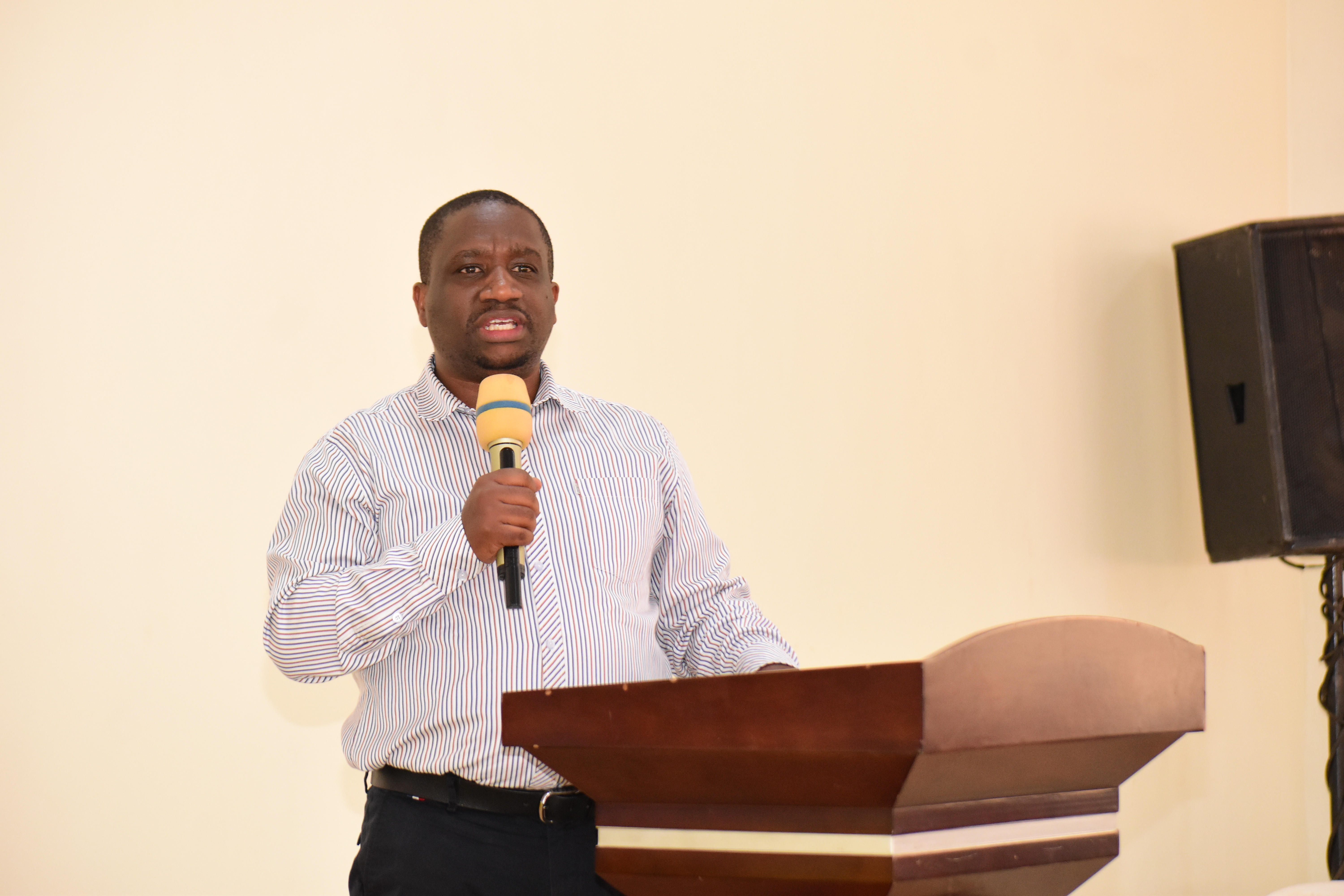
Senior E-Learning Officer Robert Tumusiime reported continued improvements in internet connectivity, computers and access points and encouraged faculties and departments to make greater use of the University’s e-learning platform.
He noted that AI tools have also been integrated into e-learning to support activities such as summarizing lengthy texts.
Dr Vincent Mabiriz challenged lecturers to recognize that students are already using artificial intelligence and therefore teaching and assessment methods must evolve accordingly.
He encouraged lecturers to help students distinguish accurate information from misinformation generated by AI and to incorporate local scenarios and practical applications into assignments.
Prof. Businge Phelix Mbabazi emphasized the importance of human oversight, noting that AI can produce inaccurate information. He said the University is working towards an AI pathway in East Africa that will include training for everyday users and teachers.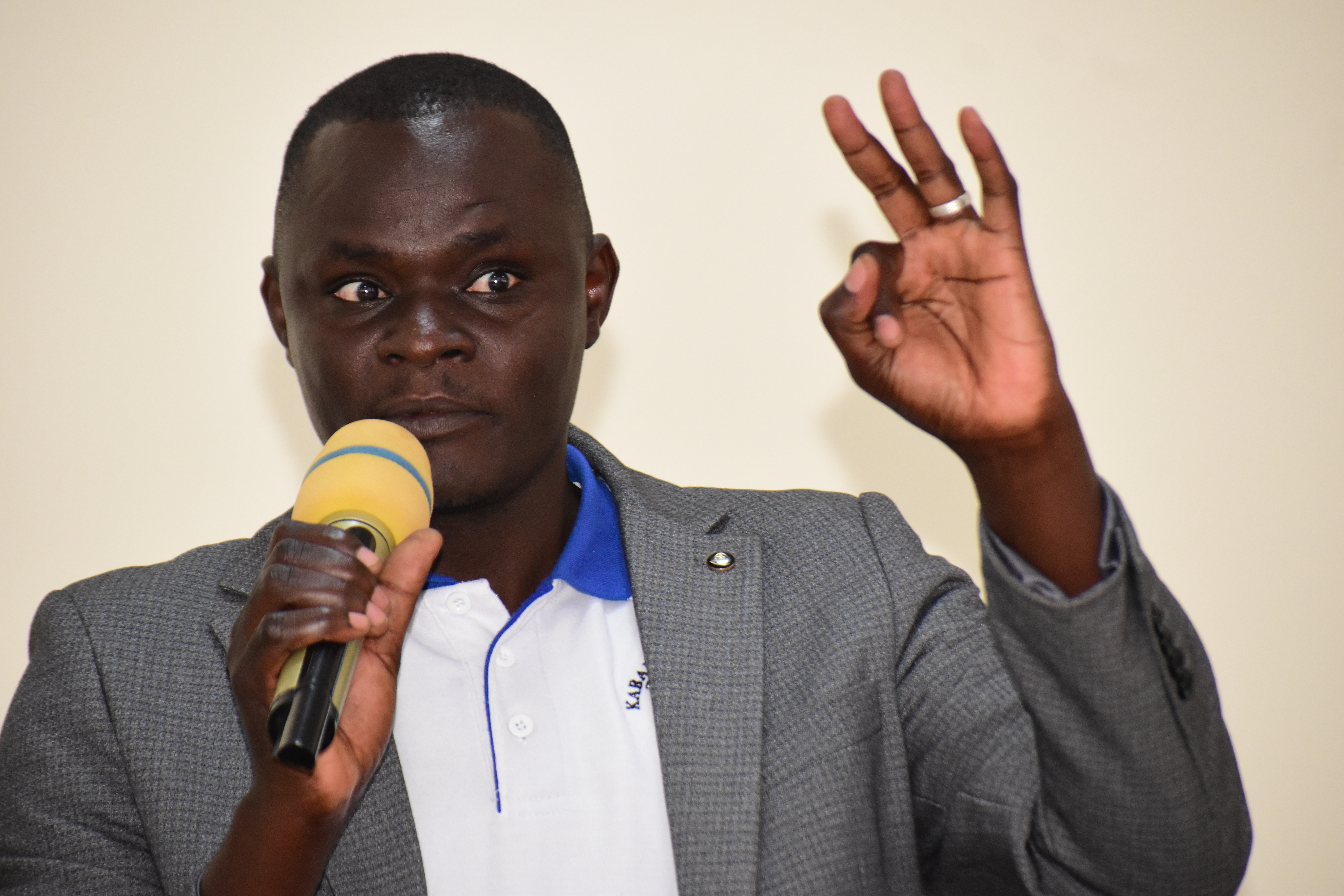
Strengthening Access to Digital Library Resources
University Librarian Dr Bernard Bazirake Bamuhiiga encouraged staff and students to make greater use of the University’s physical and digital library resources.
He specifically urged students to register for online resources such as MyLOFT and called upon faculties to support students in accessing digital academic materials.
Faculties were also encouraged to submit lists of required materials to the library to support informed procurement.
Community Engagement and Internationalization
The meeting reaffirmed community engagement as a central component of Kabale University’s mandate.
Prof. Mugisha proposed a more practical, collaborative model in which students and staff from different units regularly engage communities, identify challenges with community members, and co-create solutions.
Dr Ruth Tibesasa was appointed to head the Community Steering Committee, while Associate Professor Denis Sekiwu was appointed to lead the STEM Committee. The committees will support the development of sustainable models for community engagement, resource mobilization and stronger University-community partnerships.
On internationalization, Prof. Mugisha observed that Kabale University still has significant room for growth.
He called upon every faculty to establish at least one international collaboration and encouraged staff to develop academic networks that can enhance the University’s global visibility.
He also appreciated the Government of Nigeria for providing Nigerian volunteers to support the University and noted that another 10 volunteers are expected in October.
Every Staff Member as a University Ambassador
Principal Communications and Branding Officer Canon Godfrey Joseph Sempungu reminded staff that branding is the responsibility of every member of the University community and not the communications department alone.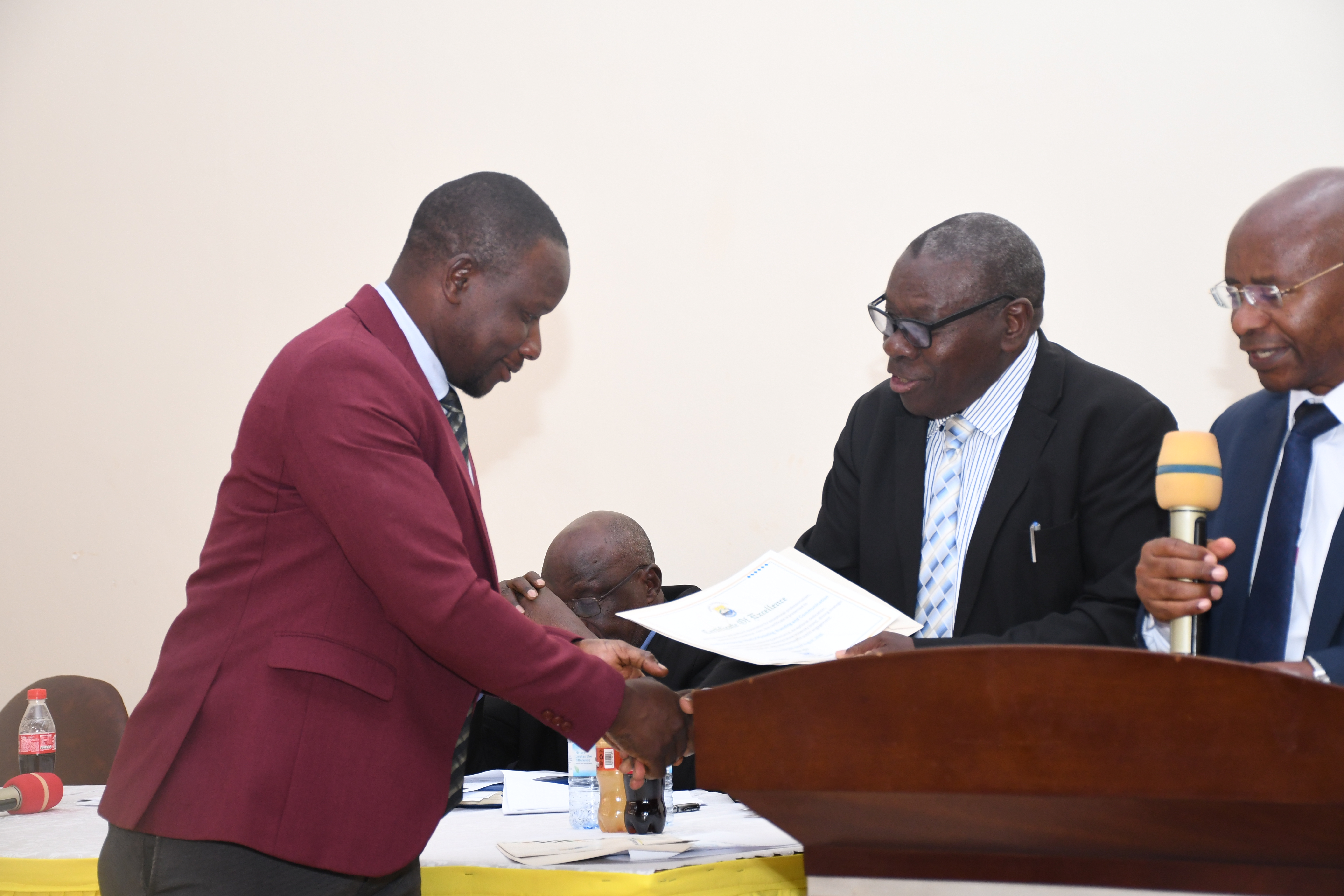
He encouraged staff to use social media strategically to communicate the University’s achievements, programs and impact, particularly through platforms that favor short-form content.
He emphasized that the University’s brand begins in the lecture room and is shaped by the way staff interact with students, colleagues and members of the wider community.
“Branding is a perception everybody has,” Sempungu told staff.
He further encouraged staff to join professional associations, build networks and participate in activities that can strengthen Kabale University’s visibility nationally and internationally.
Strengthening Financial Accountability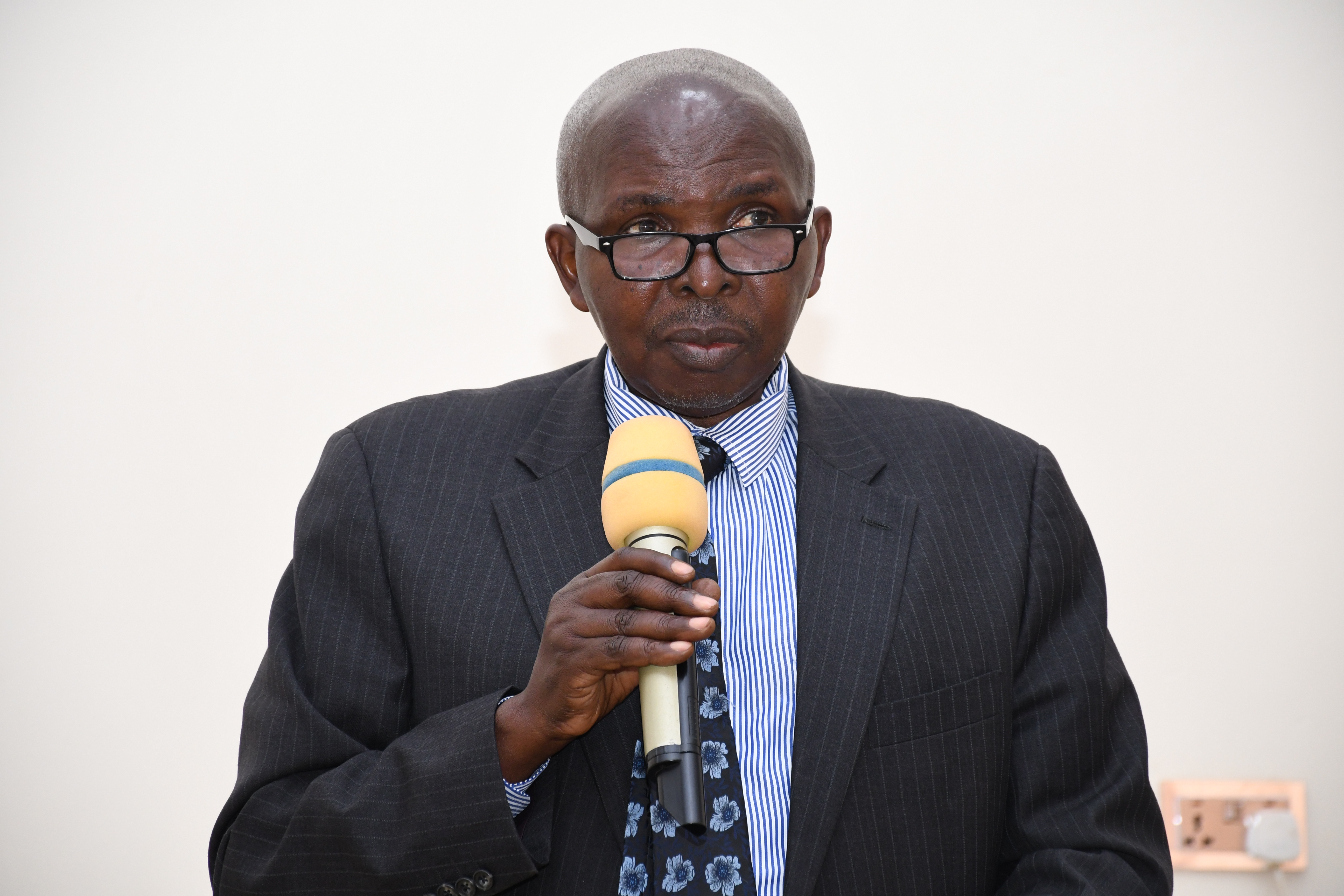
University Bursar Gad Twesigye urged staff to participate actively in the budgeting process from the planning stage.
He explained that every faculty and cost centre operates within an approved budget and that activities should be planned according to the quarters in which funds are expected to be released.
He cautioned staff that activities not included in approved budgets may not receive funding and emphasized that accountability for university resources is mandatory.
“Accountability is not an option; it is what we are supposed to do,” the meeting was told.
Looking Ahead
The Annual General Staff Meeting allowed Kabale University staff and management to reflect on the institution’s achievements, identify challenges, and set priorities for the 2026/2027 academic year.
In his concluding remarks, Prof. Mugisha called upon all staff to work collectively to protect and advance the University’s vision, mission, motto and values.
He urged staff to strengthen academic standards, improve student supervision, expand research and innovation, embrace technology and artificial intelligence, enhance community engagement, promote the University’s brand and build stronger national and international partnerships.
As Kabale University continues to grow in visibility and demand, the Acting Vice Chancellor emphasized that sustained institutional success will depend on the collective commitment, professionalism and accountability of every member of staff.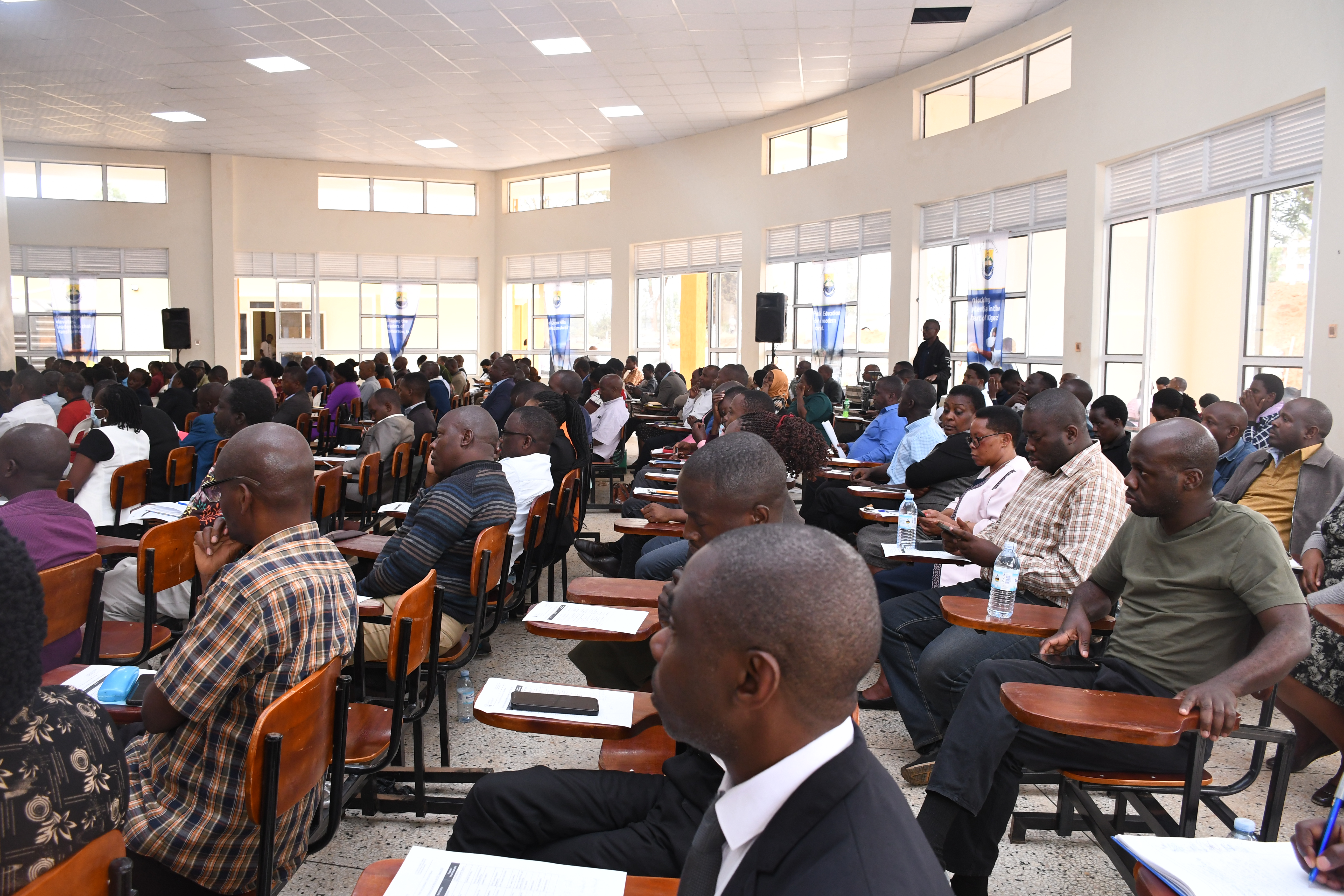
Kabale University remains committed to producing graduates, research and innovations that respond to the needs of communities while positioning the University for greater national, regional and international impact.
Discover more from Kabale University News
Subscribe to get the latest posts sent to your email.




Leave a Reply