

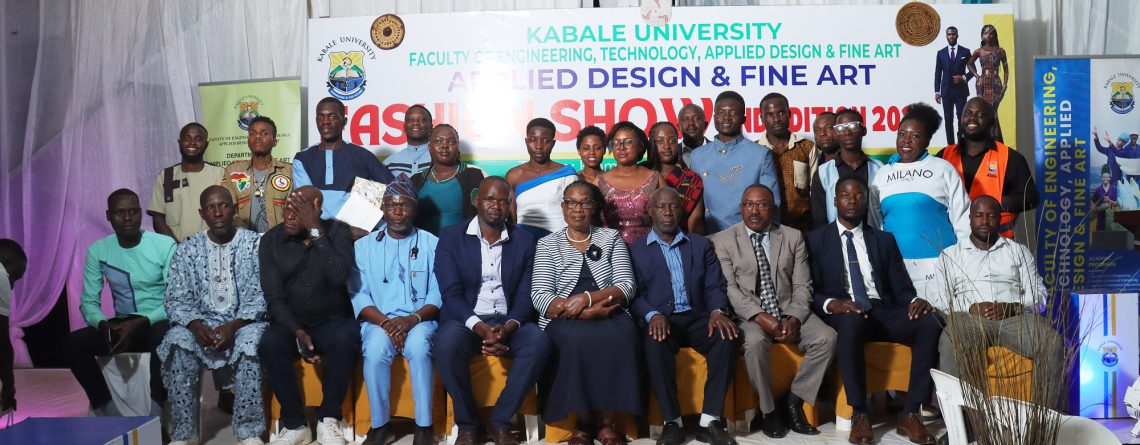
Kabale University Blends Creativity and Innovation at “From Concept to Creation” Fashion Show
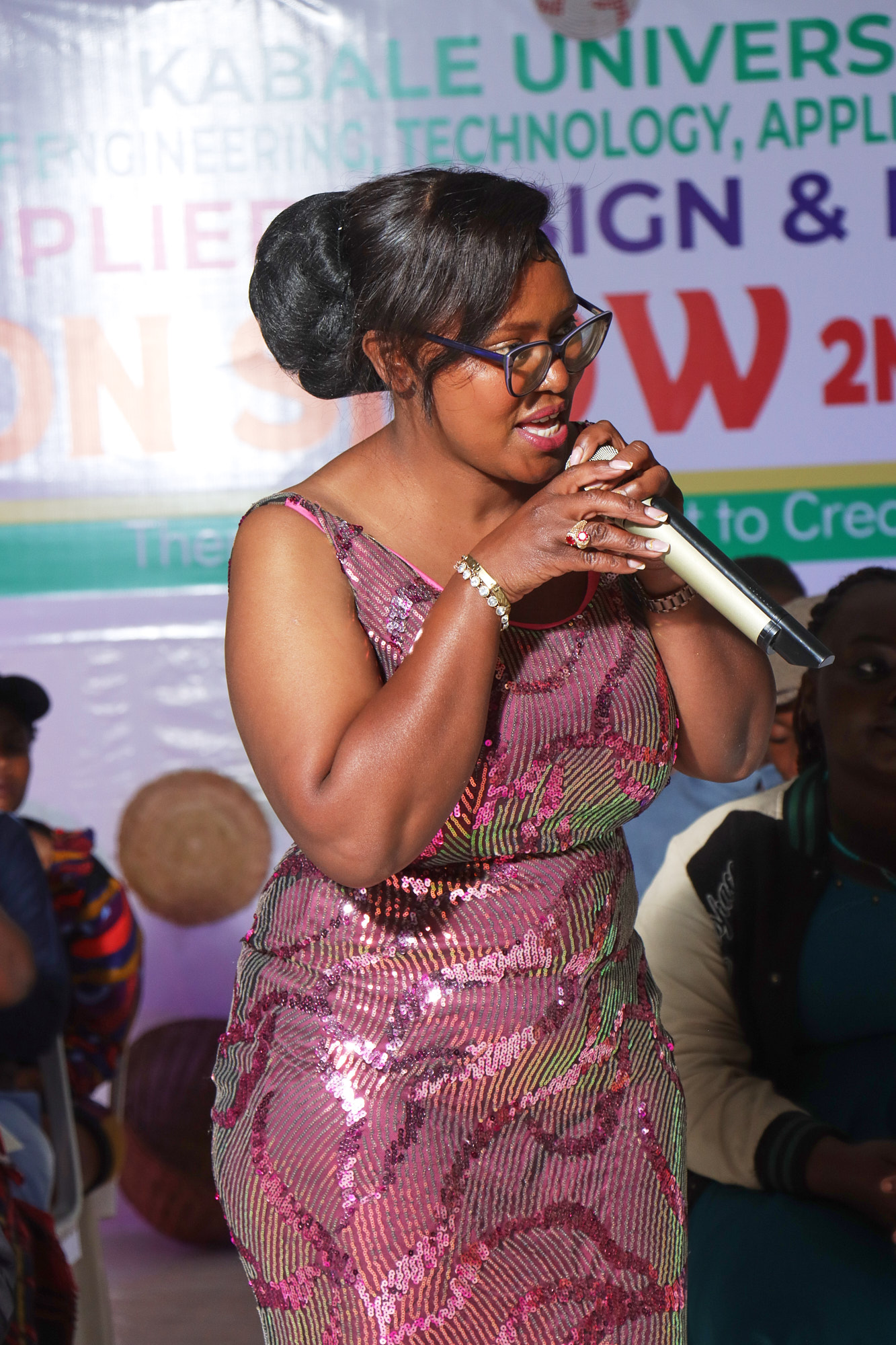 In her opening remarks, Miss Kembabazi Caroline, a Part-Time Teaching Assistant in the Fashion and Textile Design under the Department of Applied Design and Fine Art and the master mind of the second edition together with Mr. Mike Mashemererwa, teaching assistant – Fine Art, explained that the theme “From Concept to Creation” reflects the journey of transforming ideas into tangible designs through research, cultural inquiry, problem-solving, draping, pattern cutting, material testing, and continuous refinement.
She noted that the fashion show highlighted a diversity of creative voices, featuring collections inspired by African print heritage alongside modern minimalist designs that reflect contemporary global aesthetics. According to Miss Kembabazi, the department aims to train designers who appreciate cultural traditions while embracing innovation and global creativity.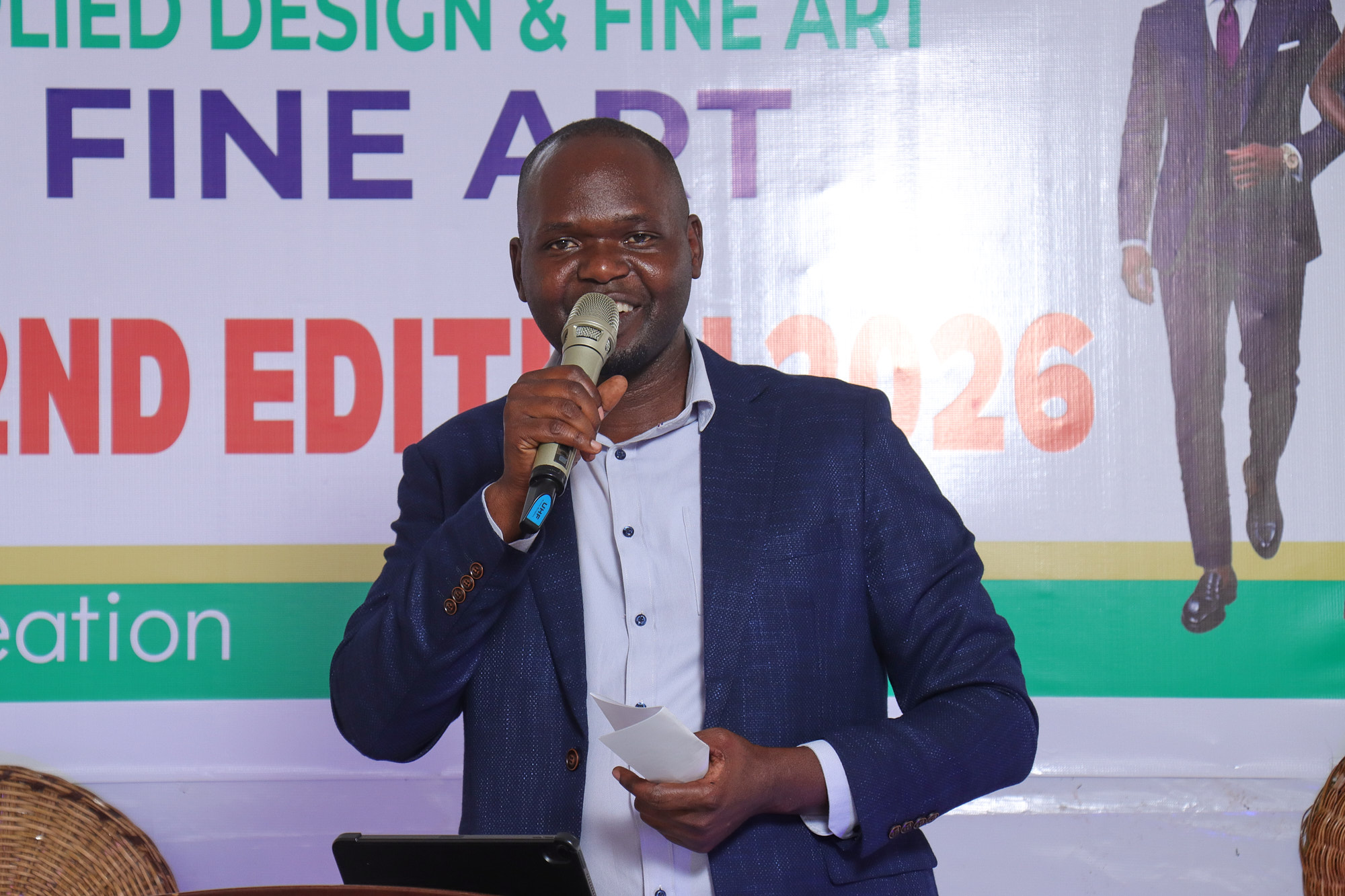
“Art without engineering is just a dream. Engineering without art is just a calculation.”
These powerful words echoed through the second edition of the Fashion Show hosted by Kabale University’s Faculty of Engineering, Technology, Applied Design, and Fine Art under the theme “From Concept to Creation” on May 26, 2026.
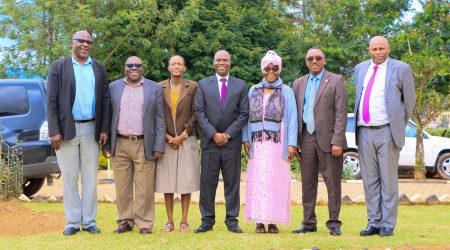
In his remarks, the Head of Department of Applied Design and Fine Art, Mr. Collins Ahimbisibwe, welcomed and appreciated the Deputy Vice Chancellor for Finance and Administration, members of university management, the Dean of the Faculty, Heads of Departments from Civil, Mechanical, and Electrical Engineering, lecturers, staff, invited schools, parents, and students for supporting the event.
He described the fashion show as a platform for students to showcase creativity, innovation, and practical skills acquired through hands-on learning. He noted that the students’ designs reflected imagination, teamwork, and problem-solving, which are central to the spirit of Applied Design and Fine Art.
Mr. Ahimbisibwe highlighted that the department offers Bachelor’s and Master’s programs in Applied Design and Fine Art, with specializations including Fashion and Textile Design, Graphic Design and Multimedia, Sculpture, Painting, Ceramics, Interior and Landscape Design, and Drawing and Illustration. He added that the programs strongly support Uganda’s Competence-Based Education approach(CBE) by equipping students with practical skills that prepare them to become innovators, entrepreneurs, and job creators.
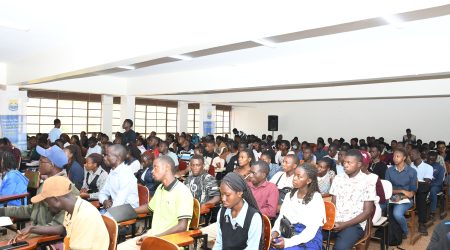
The event, brought together students, staff, industry stakeholders, parents, and secondary school learners in a vibrant showcase of creativity, innovation, culture, and technology.
 Representing the Vice Chancellor ,the Deputy Vice Chancellor in charge of Finance and Administration, Associate Professor Helen Musanabera Byamugisha, described the runway as more than just a fashion stage.
“This runway is a canvas of innovation a testament to months of grueling studio hours and a living exhibition of what happens when raw creativity meets disciplined technical skill,” she said.
Associate Professor Byamugisha emphasized that the fashion showcase perfectly demonstrated the intersection between engineering, art, and design, where innovation is transformed into a practical reality.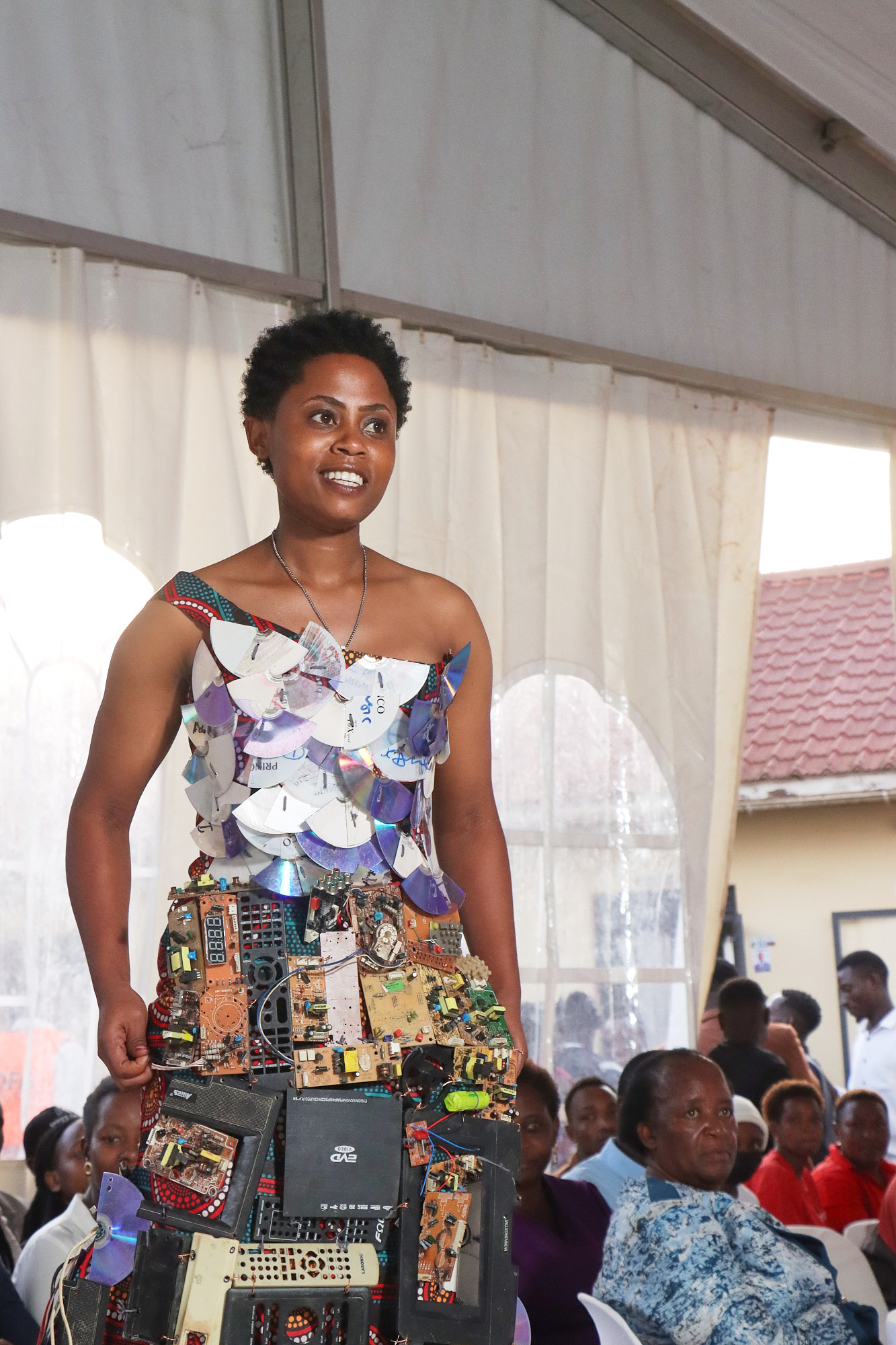
“This event is not just about what is trendy. It is about solving problems through aesthetic expression. Our students have not only created garments; they have engineered wearable art by considering sustainable materials, exploring cultural heritage through a modern lens, and transforming fabric into structure,” she noted.
She applauded the students for their courage and creativity, highlighting that taking a personal concept from a sketchbook to the runway requires confidence, resilience, and leadership.
The Deputy Vice Chancellor further commended the faculty and industry partners for nurturing talent and innovation among students, noting that the integration of fine art, technology, and applied design equips graduates to become job creators rather than job seekers.
“The global creative economy thrives on individuals who can think outside the box while operating within the parameters of practical execution,” she added.
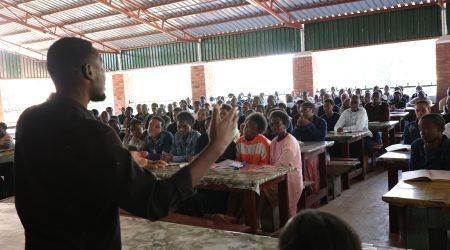
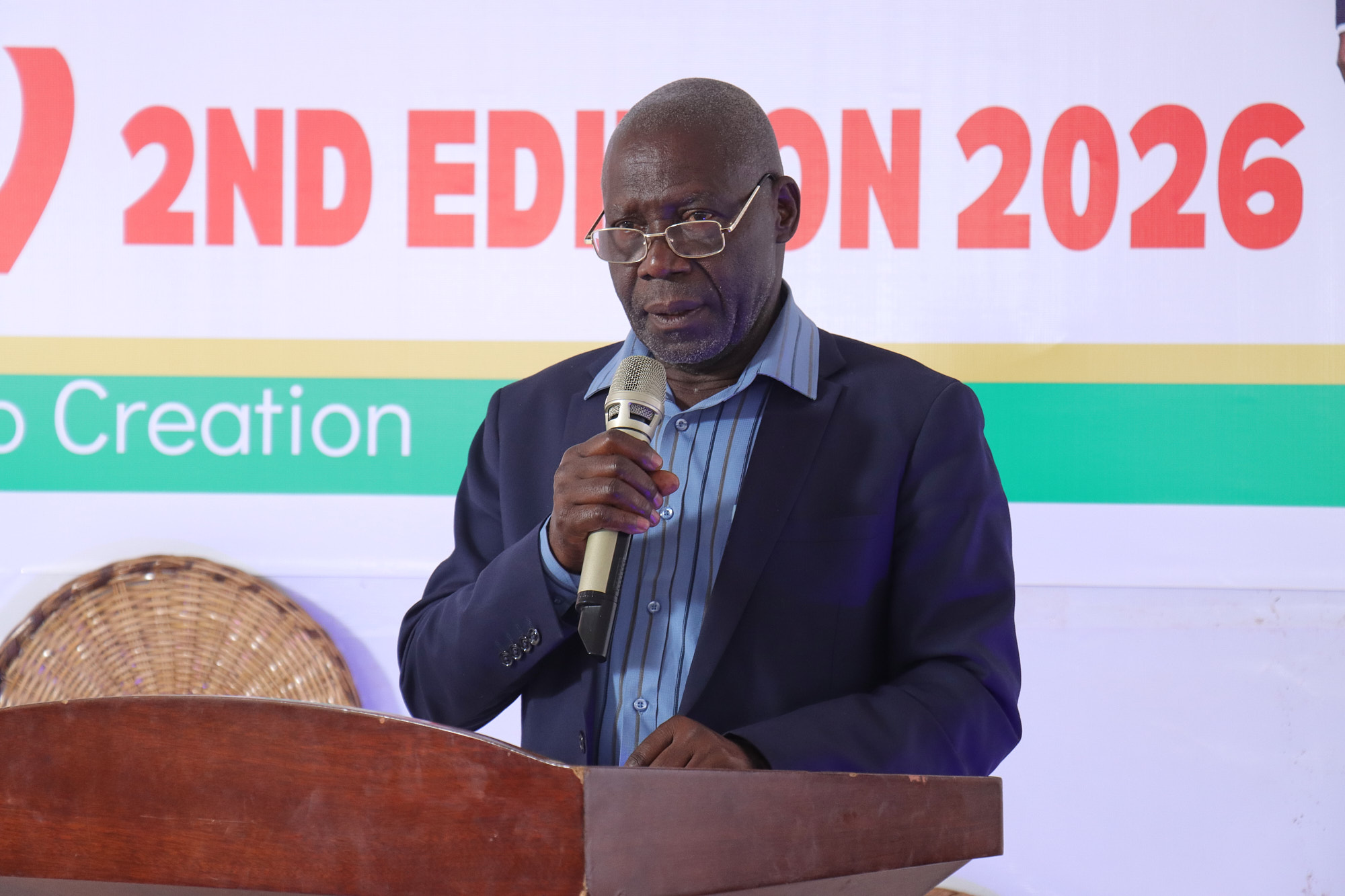 Speaking during the event, Eng. Pascal Musaazi Ssenkindu, Associate Dean of the Faculty of Engineering, Technology, Applied Design, and Fine Art, proposed the establishment of a Centre for Engineering Research, Innovation, and Creativity in Western Uganda and beyond.
He revealed that within the next two to three years, the faculty expects to have approximately 3,000 students actively engaged in community projects and innovation initiatives.
Eng. Musaazi highlighted the faculty’s growing community outreach efforts, noting that last year the university trained 10 youths in welding and fabrication, with one beneficiary already establishing a workshop.
“We are going to involve more community members in training programs. That is why I am encouraging the Applied Design and Fine Art program to intensify community outreach so that the community supports the youth,” he said.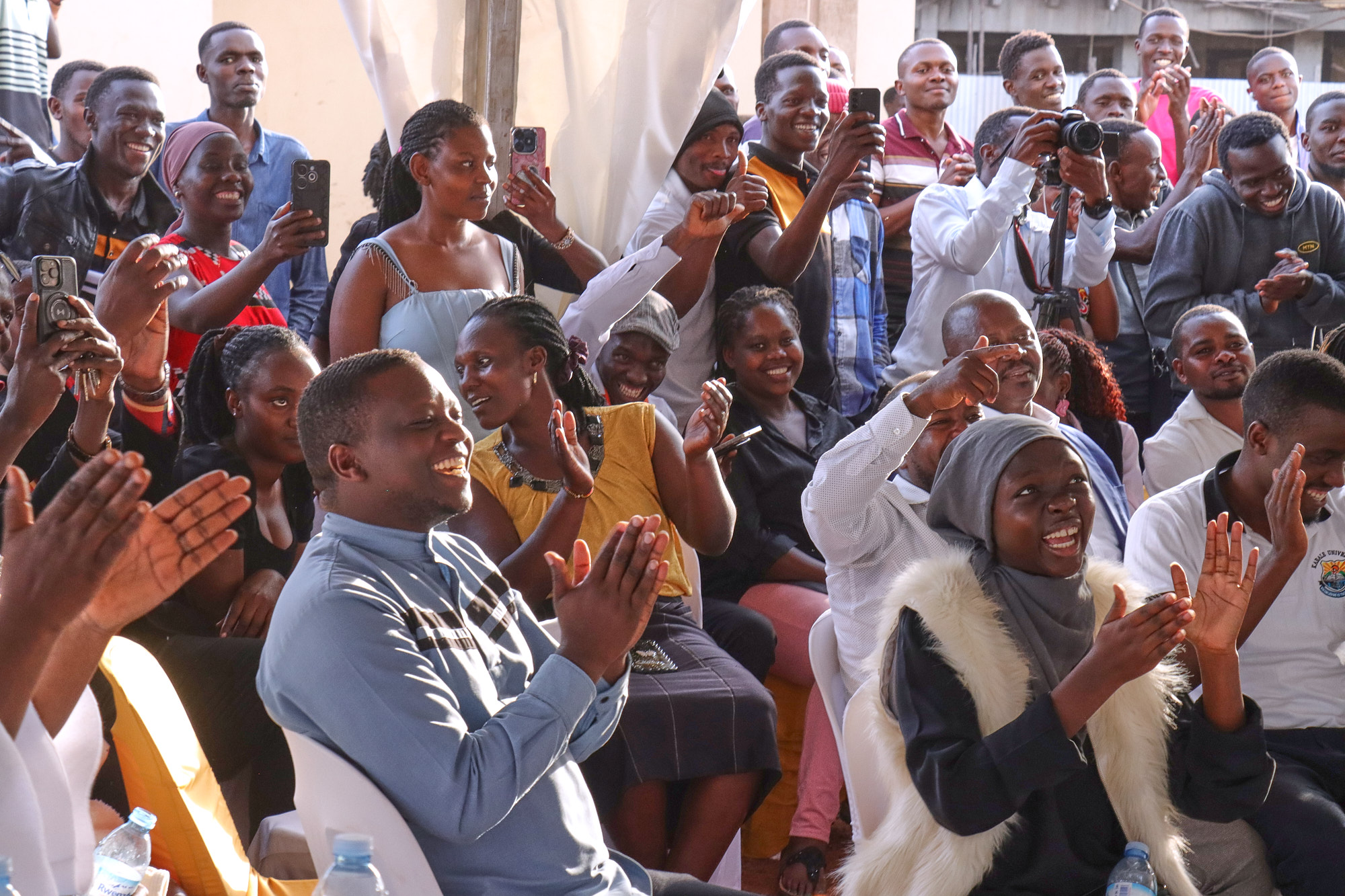
He also called upon the local community to invest in accommodation facilities for both students and lecturers as a way of benefiting from the growing university population and strengthening community ownership of Kabale University.
In addition, Eng. Musaazi appealed for increased staffing, particularly in Mechanical Engineering, while announcing plans to introduce PhD programs in Applied Design and Fine Art, as well as a Master of Science program in Environmental Engineering.
The highlight of the event was the outstanding creativity displayed by students through diverse fashion concepts inspired by culture, environment, and modern innovation.
Third-year student Mugume Bruno emerged as the winner of the fashion showcase with a unique Rastafari-inspired collection aimed at reconnecting young people with their cultural identity and roots in Kigezi.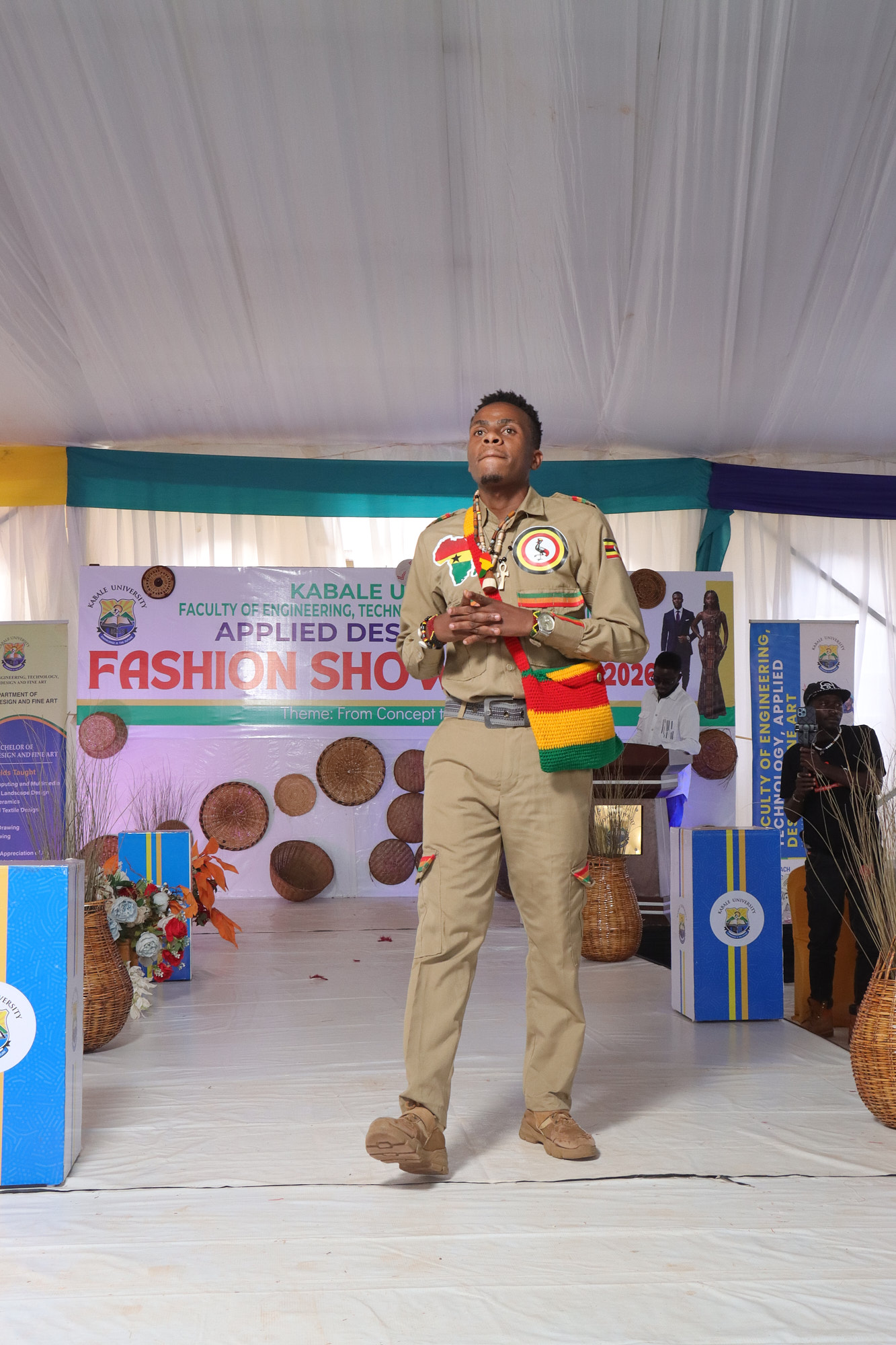
“My inspiration was to educate fellow youth about the origins of Rastafari and encourage them to appreciate our culture instead of only following Western trends,” Bruno explained.
His innovative designs incorporated recycled materials, including plastic bottle caps creatively attached to jean jackets, demonstrating the role of sustainable fashion in environmental conservation.
Students showcased a wide range of designs, including office wear, Rastafari-themed collections, and outfits inspired by the Karamojong culture, nature, and wildlife. The collections reflected the successful integration of creativity, technology, and applied design processes from initial sketches to finished runway products.
The audience applauded the students for their exceptional talent and ability to transform ideas into innovative fashion statements using modern technology and artistic skill.
Participating schools included Bishop Barham University College, Kigezi High School, Solberg College, Nyabikoni Secondary School, St. Mary’s College Rushoroza, and Rock High School.
Among the attendees were the Dean of Students Mr. Amos Tukamushaba, university administrators, Deans, Heads of Departments, faculty members, parents, and students.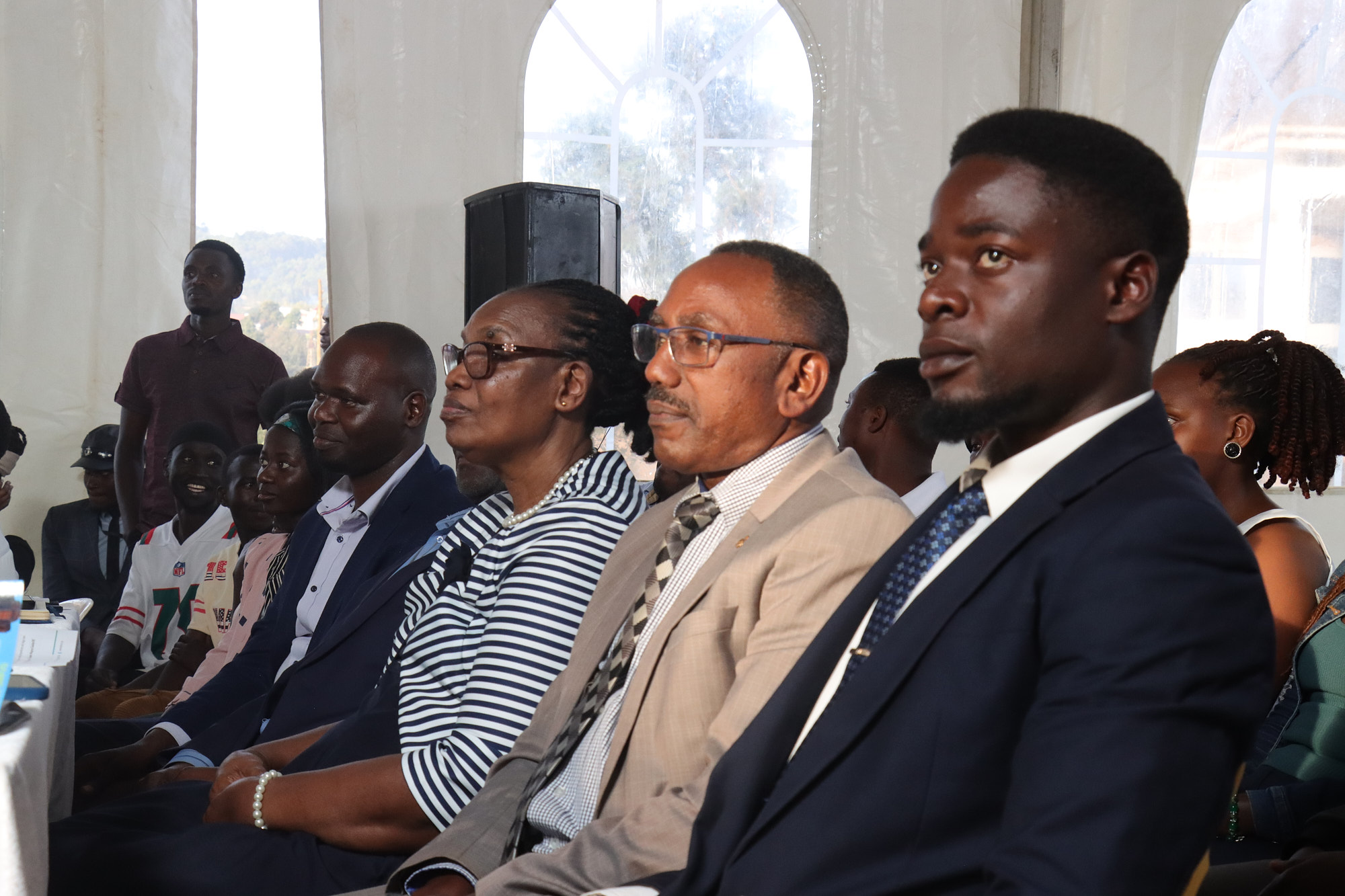
The fashion show reaffirmed Kabale University’s commitment to nurturing innovation, creativity, sustainability, and practical skills development while positioning the creative arts as a powerful driver of community transformation and economic growth.
Discover more from Kabale University News
Subscribe to get the latest posts sent to your email.







Comment (1)
i call on every one not to dare and miss the 3RD edition next year