

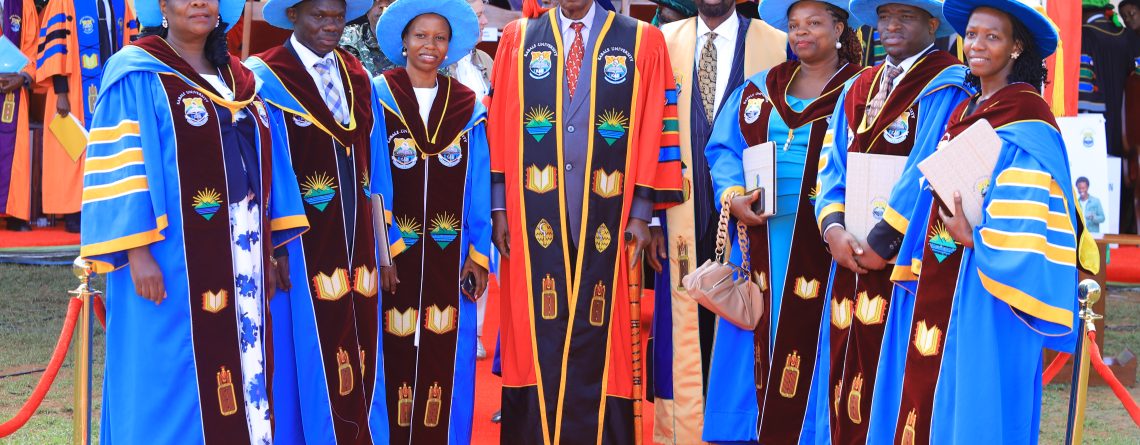
Kabale University graduates 2,469 students at its 11th graduation ceremony as government pledges increased funding and Prof. Joy C. Kwesiga is named Professor Emerita.
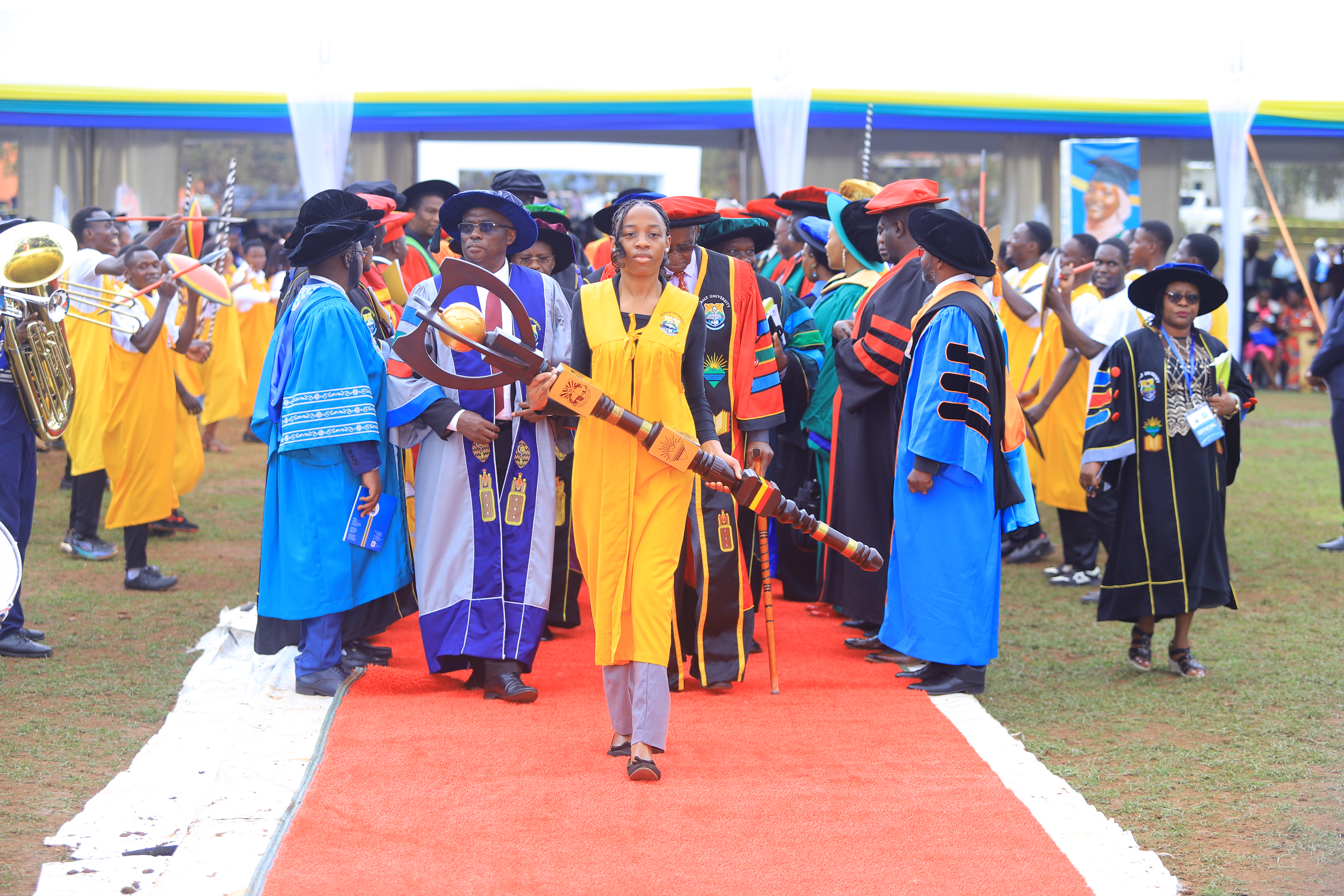 KABALE, UGANDA – Kabale University has graduated 2,469 students at its 11th graduation ceremony, marking a decade since the institution attained public university status in 2016. The ceremony was marked by renewed government commitments to support infrastructure development, staff recruitment and research, alongside the conferment of the prestigious title of Professor Emerita upon former Vice Chancellor, Prof. Joy Constance Kwesiga, in recognition of her 21 years of dedicated service to the university.
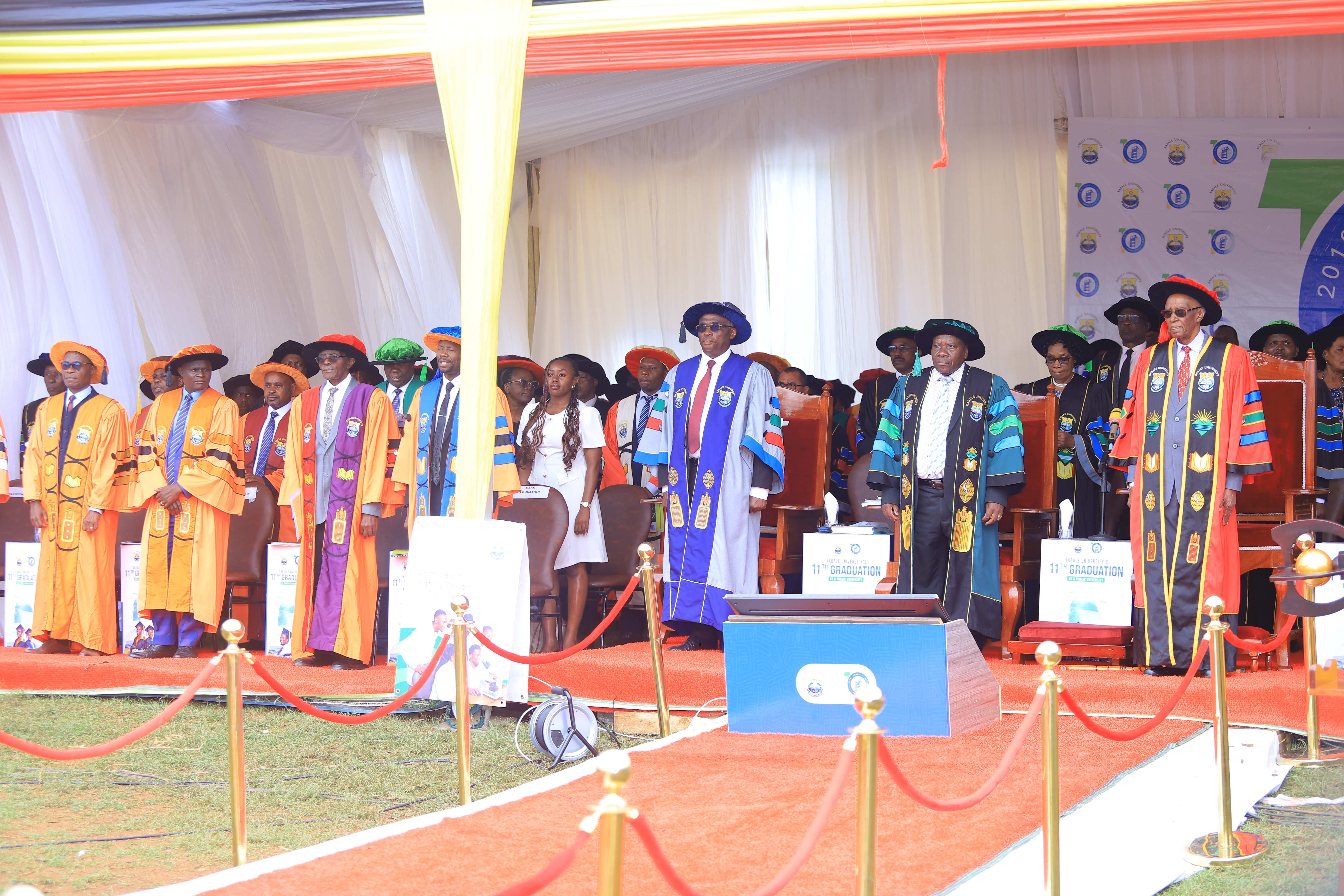
Held on Friday, October 30, 2026, at the university’s Main Campus on Kikungiri Hill in Kabale Municipality, the ceremony was conducted under the theme “Empowering Future-Ready Graduates for Innovation, Employment and National Transformation.” It brought together government officials, university leaders, diplomats, members of the academic community, parents, guardians, graduates and other stakeholders.
A total of 2,469 graduands received awards in 91 academic programmes, comprising 1,448 males (59 per cent) and 1,021 females (41 per cent). The awards included six Doctor of Philosophy (PhD) degrees, 144 master’s degrees, 53 postgraduate diplomas, 1,670 bachelor’s degrees, 363 diplomas and 233 certificates.
Government Reaffirms Commitment to University Development
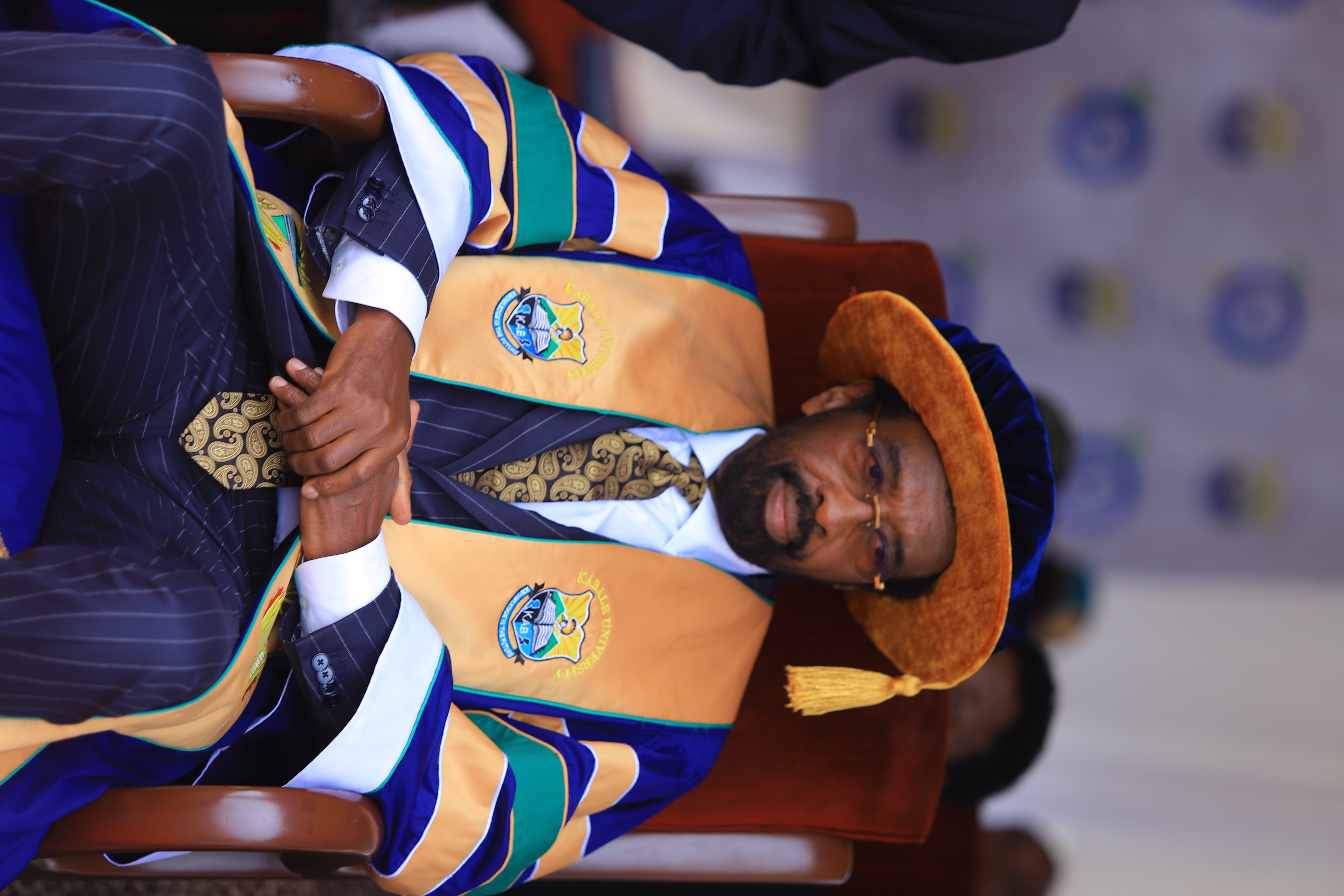 The Prime Minister, Rt. Hon. Robinah Nabbanja, whose message was delivered by the Minister of Security in the Office of the President, Major General (Rtd) Jim Muhwezi Katugugu, congratulated the university on its achievements and reaffirmed government’s commitment to supporting its continued growth.
The Prime Minister called upon the institution to align its academic programmes, research and innovations with Uganda’s national development priorities, particularly agro-industrialisation, tourism development, mineral-based industrialization and science, technology and innovation, collectively referred to as the ATMs.
She challenged the university to strengthen agricultural research, practical training and value addition in the region’s key agricultural sectors, including Irish potato production, dairy farming and horticulture. She also encouraged the institution to leverage its strategic location within the Kigezi tourism region by expanding tourism and hospitality training, digital tourism promotion and partnerships with conservation institutions and tourism operators.
Emphasizing the importance of innovation and entrepreneurship, Nabbanja urged the university to strengthen competence-based education, internships, research and community engagement to equip graduates with practical skills and prepare them to create employment.
“Create jobs rather than running up and down looking for jobs,” she advised the graduates, encouraging them to utilise their knowledge, embrace innovation and contribute to solving community challenges.
She further urged the graduates to uphold integrity, patriotism, hard work and self-discipline while rejecting corruption and sectarianism.
Addressing the university’s infrastructure and staffing needs, Major General (Rtd) Muhwezi pledged to continue advocating for improved physical infrastructure and increased human resource capacity.
“I am happy that I am the one who carried the message that we need to improve on the physical infrastructure and the human resource. So I am going to fight to make sure that these are addressed,” he said.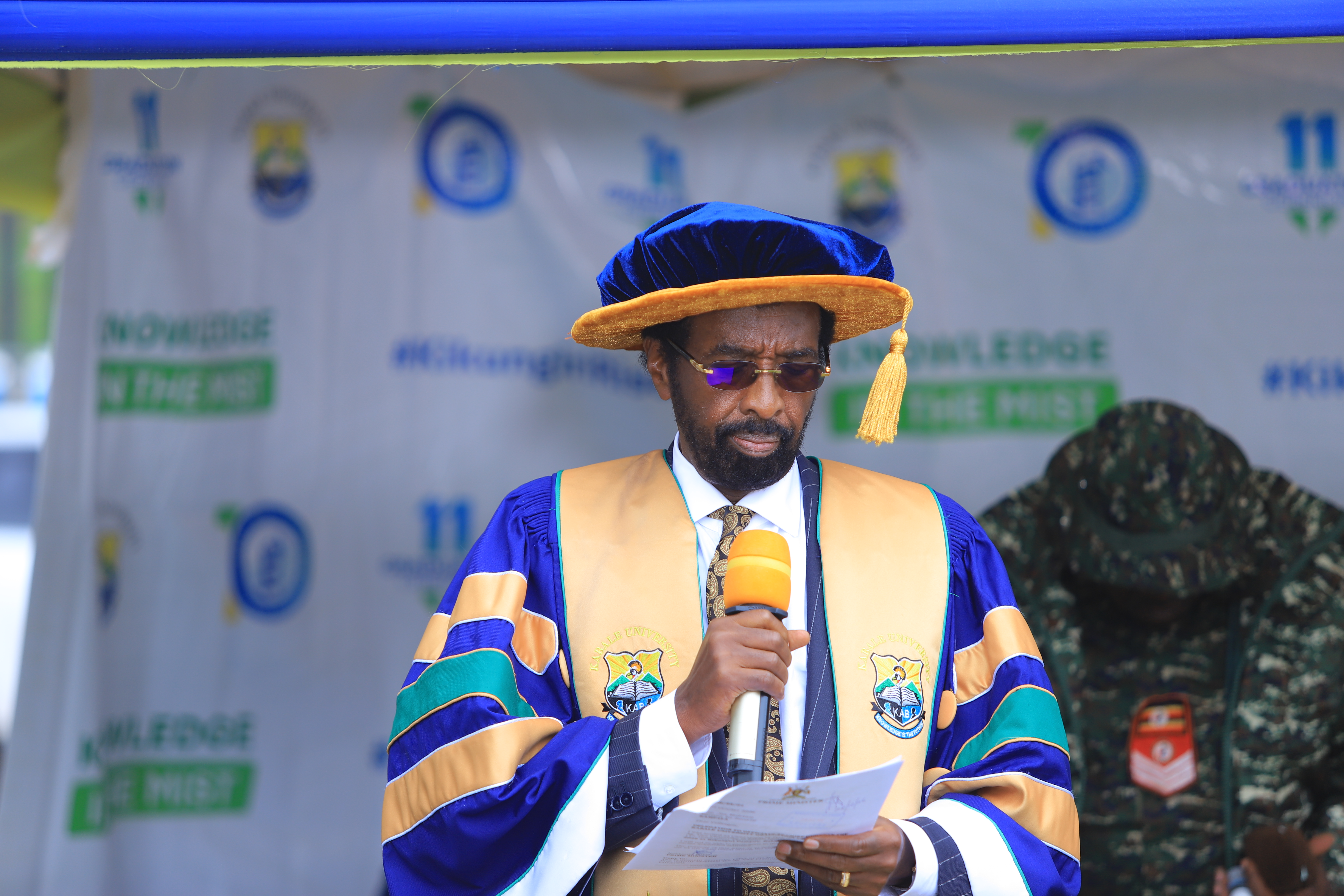
In the Prime Minister’s message, government acknowledged the need for additional lecture facilities, laboratories, workshops, research facilities, ICT infrastructure and qualified academic staff. She committed her office to working with the Ministry of Education and Sports and the Ministry of Finance, Planning and Economic Development to pursue additional support for the university’s operational needs and ongoing infrastructure projects, including the Rukungiri and Kisoro campuses.
She also appealed to Kabale District Local Government to fulfil its commitment to provide additional land at Kikungiri Hill to facilitate the university’s expansion.
The Prime Minister further noted that Kabale University was earmarked to benefit from the African Development Bank-supported Higher Education, Science and Technology Phase Two Programme, which supports infrastructure development in higher education institutions.
Chancellor Celebrates a Decade of Public University Status
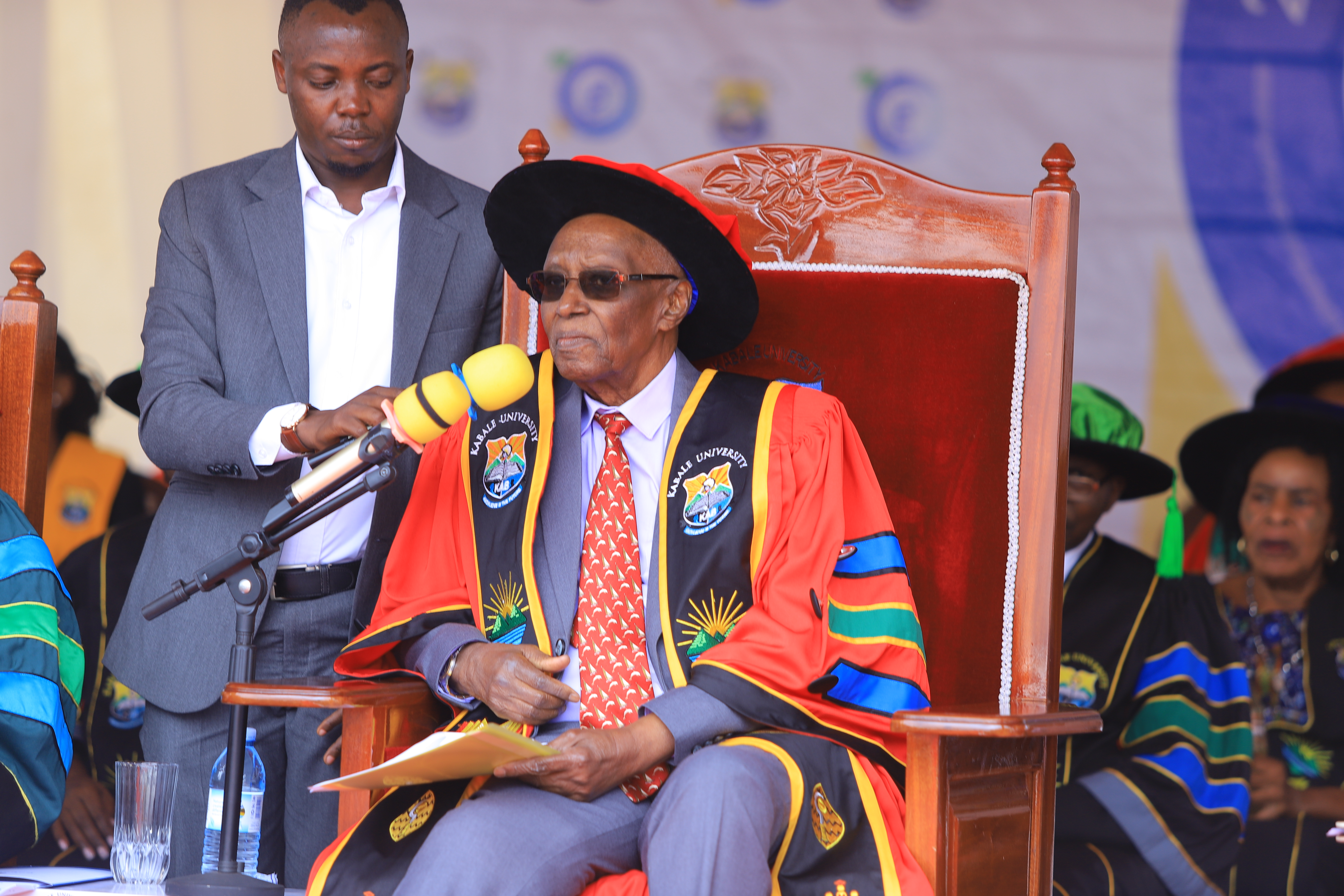 The Chancellor, Canon Prof. Matthew Rukikaire, described the graduation as a significant milestone in the university’s institutional journey, celebrating ten years since its transition from a private to a public university in 2016.
In his first graduation address as Chancellor, Rukikaire congratulated the graduands and commended university staff, parents, guardians and sponsors for their contribution to the students’ academic achievements.
He highlighted the institution’s remarkable growth, noting that student enrolment had increased from approximately 2,666 students at the time of its transition to public university status to more than 8,000 students currently.
He further reported that the university’s accredited academic programmes had expanded from 32 in 2020 to 107 by 2026, covering undergraduate, postgraduate and doctoral studies.
The Chancellor also noted that the university had improved its national ranking from seventh to fourth position among 63 higher education institutions in Uganda, according to the July 2026 rankings.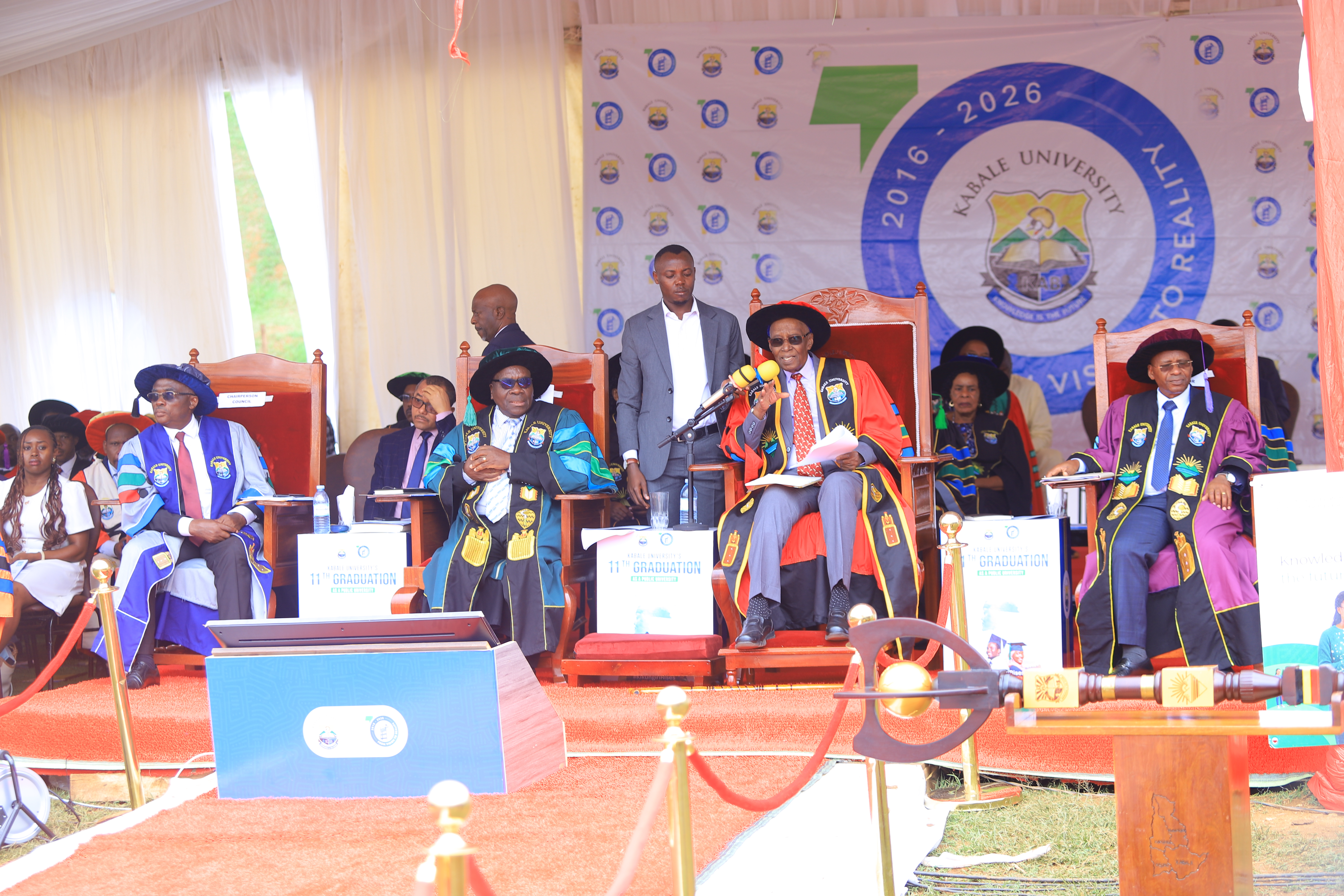
He welcomed the establishment of the Rukungiri and Kisoro campuses as an important step towards extending access to university education and strengthening the region’s position as an educational hub.
However, he cautioned that institutional expansion must be matched with adequate investment in infrastructure and human resources to safeguard academic quality.
Rukikaire disclosed that the university was operating at approximately 25 per cent of its approved staffing establishment, a situation affecting teaching, mentorship, research and community engagement.
“The quality of a university is not only determined by its facilities, but mainly by the quality, commitment and motivation of the people who work within it,” he emphasized.
He challenged the graduates to recognize Uganda’s opportunities and use their knowledge and skills to establish enterprises, add value to local products and contribute to addressing societal challenges.
Prof. Joy Kwesiga Conferred Professor Emerita Title
One of the major highlights of the ceremony was the conferment of the title of Professor Emerita upon former Vice Chancellor, Prof. Joy Constance Kwesiga, in recognition of her outstanding 21 years of service and contribution to Kabale University.
Prof. Kwesiga served the institution from 2005 until July 2026, providing academic and institutional leadership and contributing significantly to its growth, mentorship and advancement of women and gender studies.
The Acting Vice Chancellor, Prof. Jonny Mugisha, recognized her longstanding contribution, noting that her leadership had laid a strong foundation for the university’s institutional development and growth.
Her recognition was particularly significant as the university celebrated ten years of public university status, a milestone in which her leadership and service played an important role.
University Reports 92 Per Cent Graduate Employment Rate
The Acting Vice Chancellor, Prof. Jonny Mugisha, highlighted the university’s progress in academic development, graduate production, research, innovation and international partnerships.
He revealed that the number of graduands had increased from 1,673 in 2025 to 2,469 in 2026, representing a 48 per cent increase.
Citing findings from a recent graduate tracer study, Mugisha reported that 92 per cent of the university’s postgraduate graduates were gainfully employed, describing the findings as an indication of the institution’s contribution to producing relevant and competitive professionals.
He also highlighted the university’s growing research and innovation ecosystem, including the establishment of the Kabale University Business Incubation Centre, supported by the United Nations Development Programme (UNDP), and the MTN Spark Hub, launched in April 2026.
In another significant development, he announced that the university had secured the mandate to host the National Artificial Intelligence Node for the East African Community under the East African Regional Artificial Intelligence Network.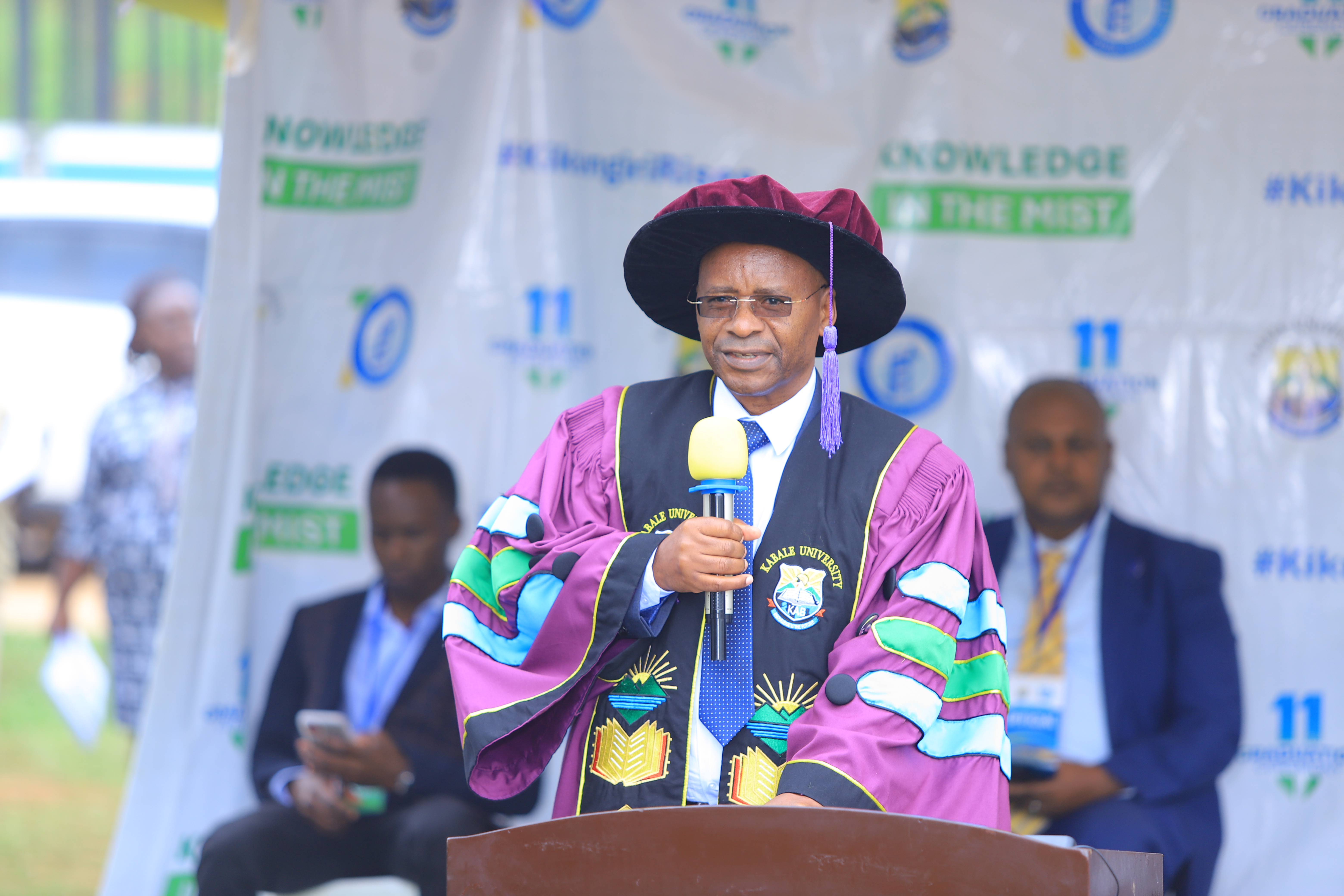
The initiative is expected to promote research and practical applications of artificial intelligence in key sectors, including agriculture, education, climate action and financial inclusion.
Mugisha further highlighted the university’s international partnerships with institutions in Nigeria, Kenya, Rwanda, Austria, Slovakia, Italy and the United Kingdom, alongside collaborations with development partners and international organizations.
Despite these achievements, he acknowledged that inadequate staffing and limited infrastructure remained key institutional challenges. He appealed for increased government funding to facilitate staff recruitment, strengthen research, acquire laboratory equipment and modernize teaching facilities.
146 Graduates Attain First-Class Degrees
The ceremony celebrated outstanding academic achievement, with 146 graduates obtaining first-class degrees, comprising 89 males and 57 females.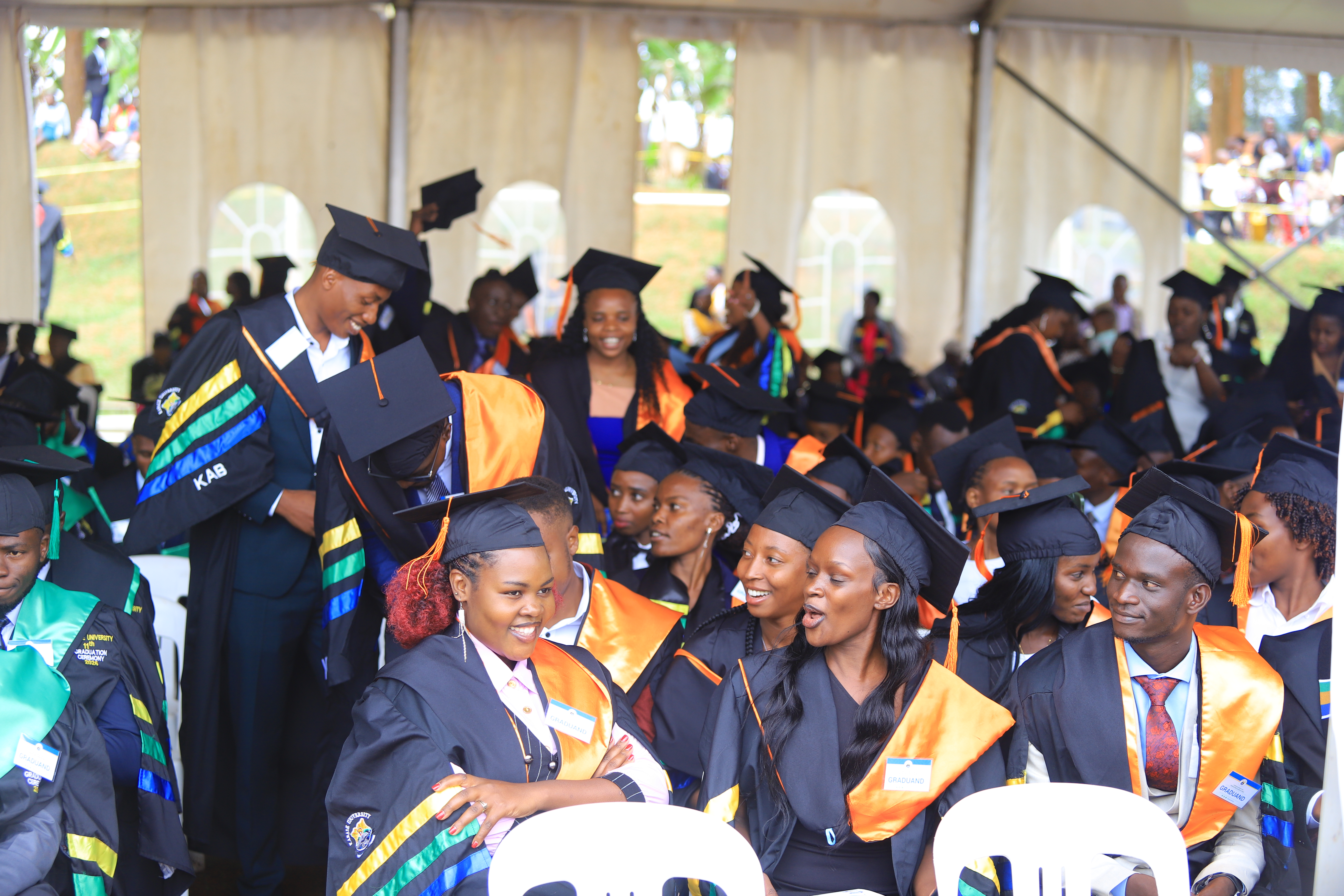
The Acting Vice Chancellor recognized Ampeire Desire, a graduate of the Bachelor of Business Administration programme, as the overall best-performing student and best female graduate, having attained a Cumulative Grade Point Average (CGPA) of 4.94.
Ssebuuma Gerald, who graduated with a Bachelor of Electrical Engineering, was recognized as the best male graduate with a CGPA of 4.82.
The university also celebrated six PhD graduands, marking its third doctoral graduation cohort and the largest number of doctoral graduates presented at a single graduation ceremony in its history.
The doctoral graduates were:
- Aturinda Joan – PhD in Business Administration (Management).
- Kyakunzire Annet Mitchel – PhD in Business Administration (Entrepreneurship).
- Muheesi Alex Gerald – PhD in Business Administration (Procurement).
- Nyangoma Miria – PhD in Business Administration (Procurement).
- Nyesigire Jolly Kakkayi – PhD in Business Administration (Human Resource Management).
- Turinumukiza Maurice – PhD in Education.
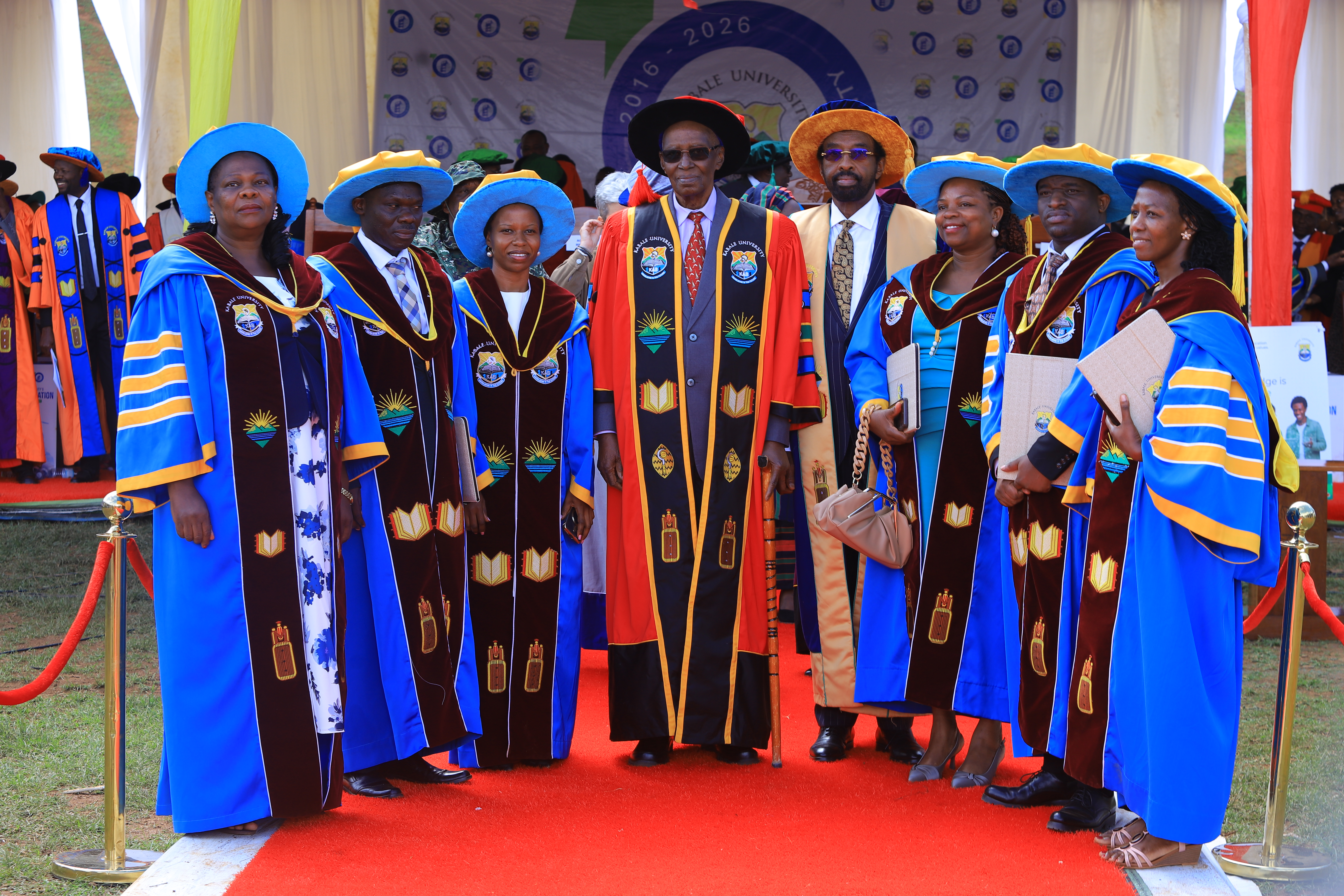 Their research addressed critical areas of organizational performance among small and medium enterprises, financial management in agro-processing businesses, public procurement and service delivery, procurement risk management, talent management in public universities and the utilization of smart classroom technologies in secondary schools.
The research findings are expected to contribute to policy development, institutional performance, innovation and socio-economic transformation.
University Council Reaffirms Commitment to Institutional Development
The Chairperson of the University Council, Hon. Adison Kakuru, reaffirmed the Council’s commitment to providing strategic leadership, strengthening institutional governance and supporting university management in improving service delivery.
He revealed that the Council had approved several institutional policies during the previous academic year, including the Joint Awards Policy, Library Policy, Community Engagement Policy, Admission and Registration Policy and the Client Charter for the period 2026/2027 to 2029/2030.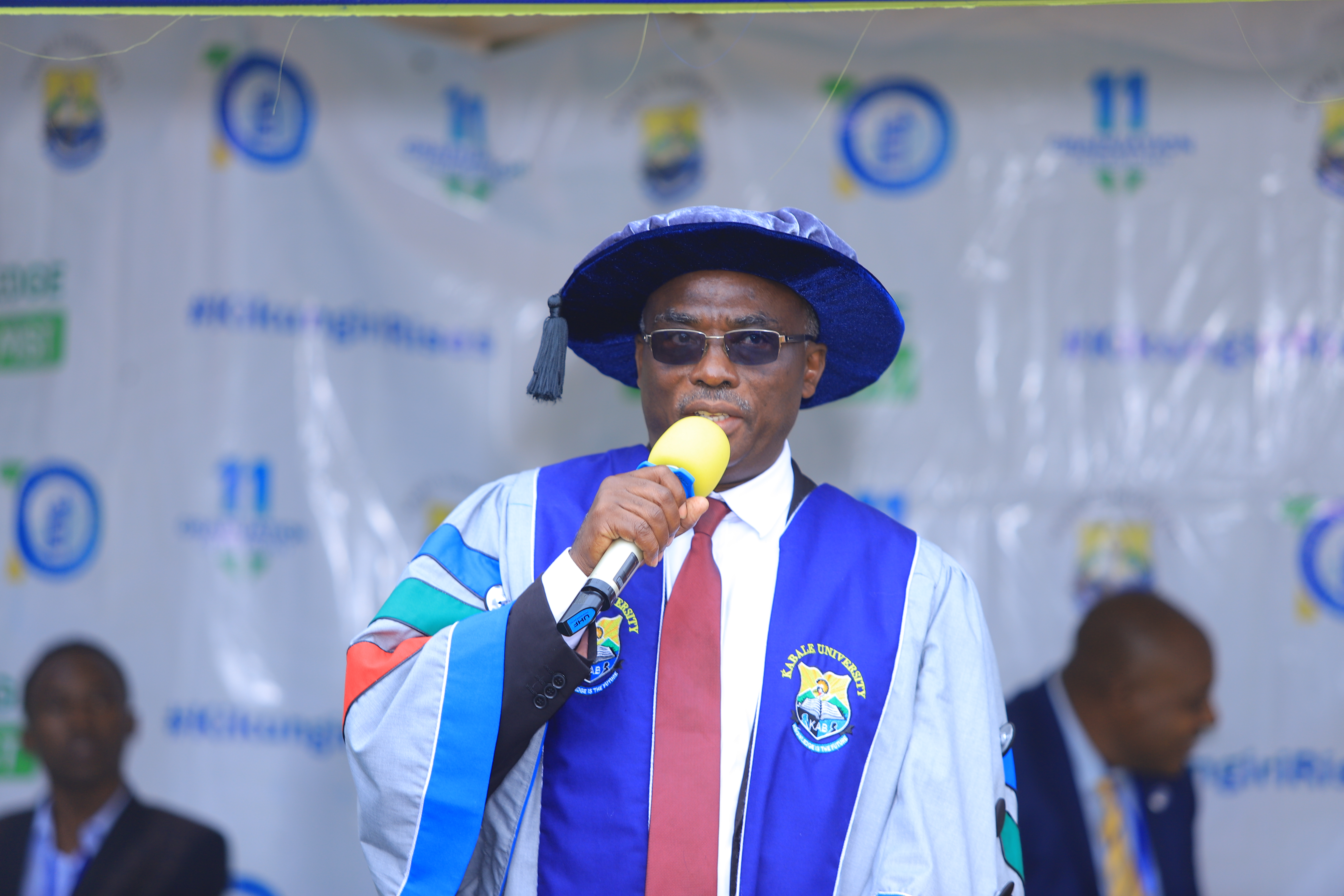
Kakuru commended government for its continued support since the university’s transition to public status but appealed for increased funding to address the growing financial demands associated with institutional expansion and the establishment of additional campuses.
He urged parents and guardians to remain proud of their investment in education and challenged graduates to demonstrate integrity, humility, hard work and commitment to serving their communities.
“Your certificates may open doors, but your character and your commitment to serve will determine how far you will go,” he told the graduates.
He further encouraged them to embrace lifelong learning, utilize technology and apply their acquired knowledge to transform their families, communities and the country.
From 131 Graduates to More Than 20,000: A Journey of Institutional Growth
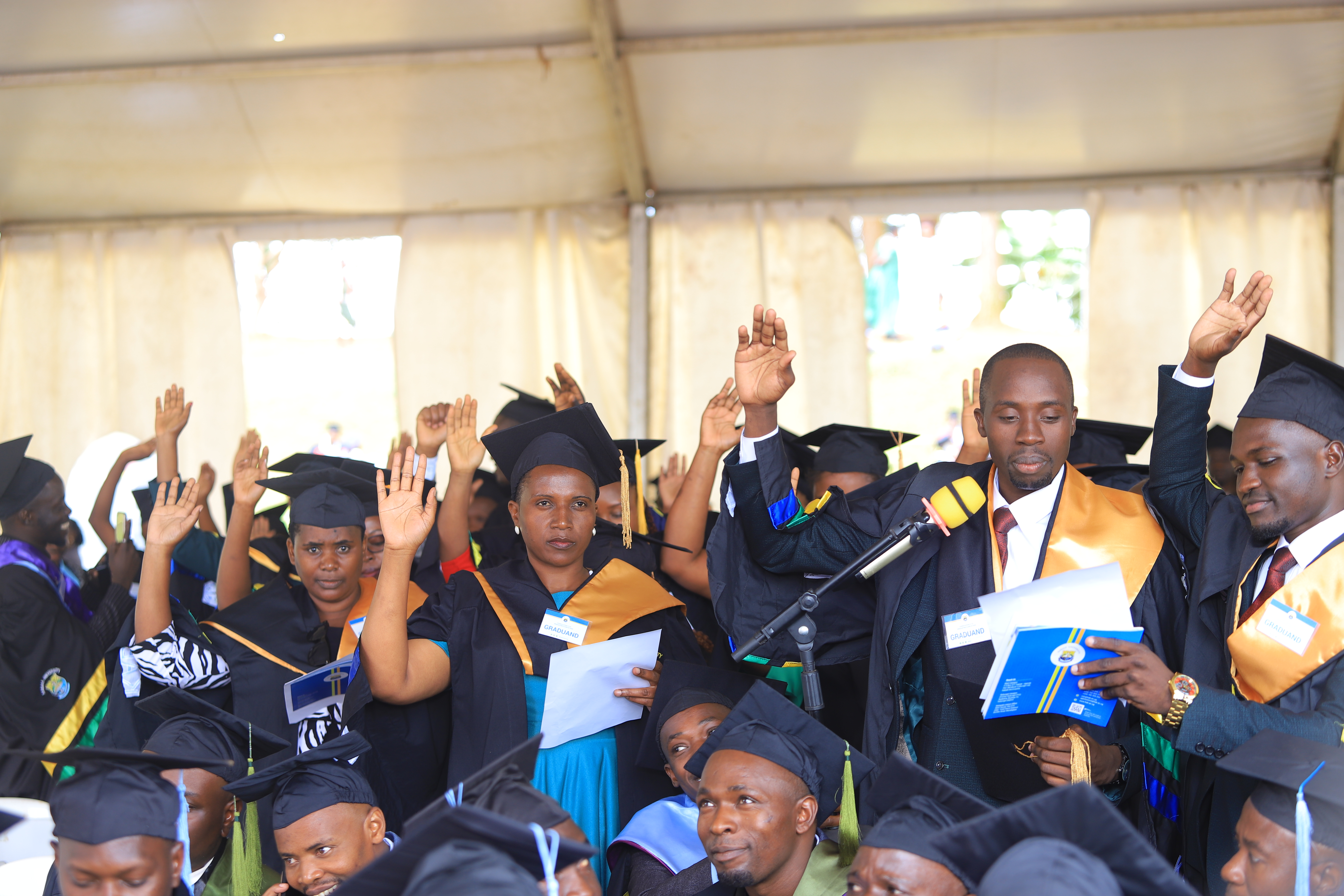 The 11th graduation ceremony as a public university also provided an opportunity to reflect on Kabale University’s institutional journey since its establishment in 2002.
Founded as a private university, the institution held its first graduation ceremony in 2006, producing 131 graduates, comprising 71 males and 60 females.
In 2016, Kabale University became the first private university in Uganda to transition into a public university. Its first graduation ceremony following the transition produced 2,109 graduates, comprising 1,211 males and 898 females.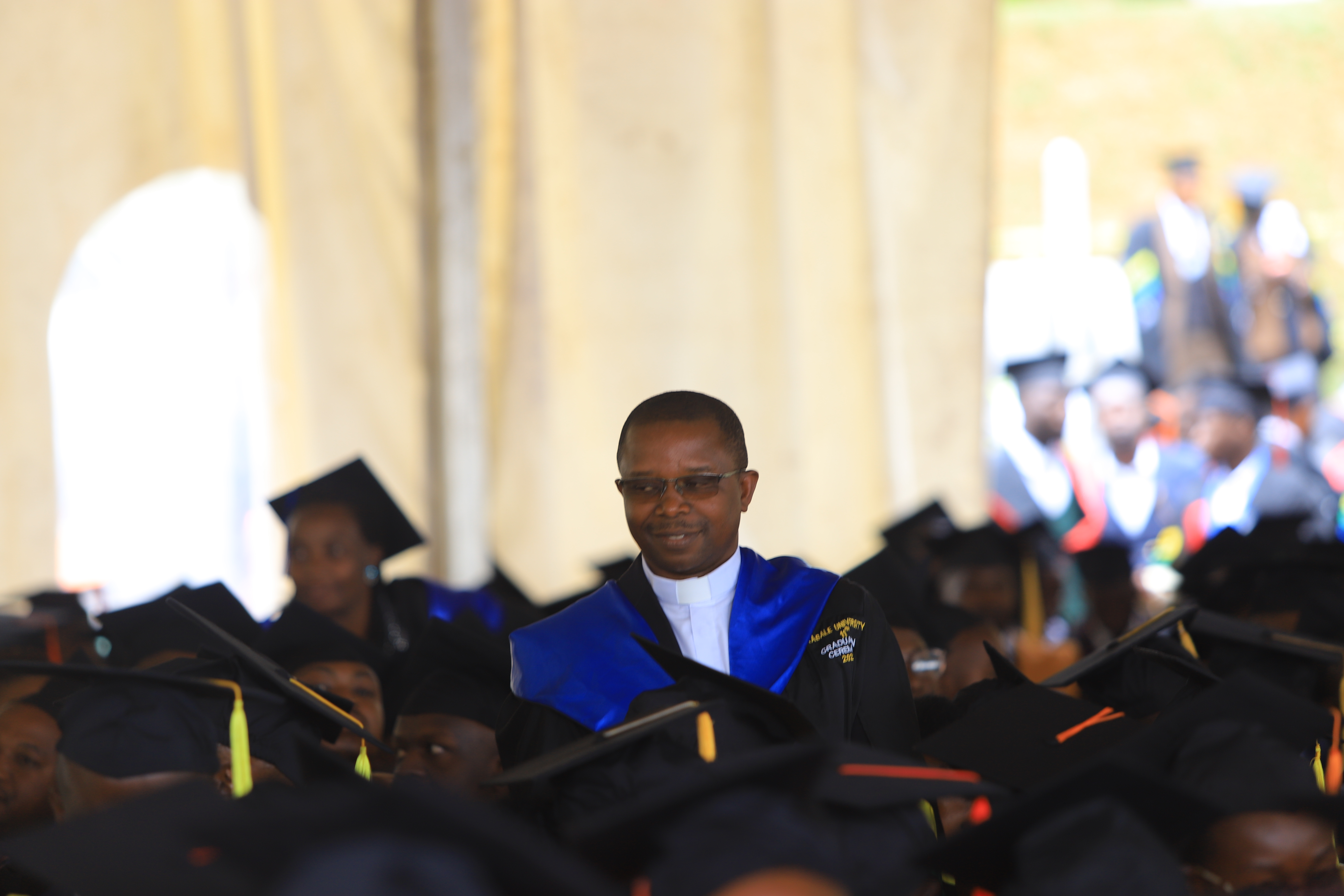
With the graduation of 2,469 students in 2026, the university’s cumulative number of graduates since its establishment has reached 20,889.
The latest graduation also represents a substantial increase from the previous ceremony held on October 31, 2025, when 1,673 students graduated, comprising 985 males and 688 females.
Over the past decade as a public university, Kabale University has expanded its academic programmes, increased student enrolment, strengthened research and innovation, and established strategic partnerships locally and internationally.
The establishment of the Rukungiri and Kisoro campuses further demonstrates the institution’s commitment to extending access to higher education and contributing to human capital development in the Kigezi sub-region and beyond.
As the university celebrates ten years of public university status, the graduation of 2,469 students, the recognition of Prof. Joy Kwesiga as Professor Emerita and renewed government commitments to institutional development collectively mark an important chapter in its growth.
The ceremony reaffirmed Kabale University’s commitment to producing innovative, skilled and responsible graduates equipped to contribute to employment creation, national development and socio-economic transformation.
Discover more from Kabale University News
Subscribe to get the latest posts sent to your email.






Leave a Reply