

KI-WATER Project Reports Progress in Water Resource Monitoring and Research Capacity in Kigezi
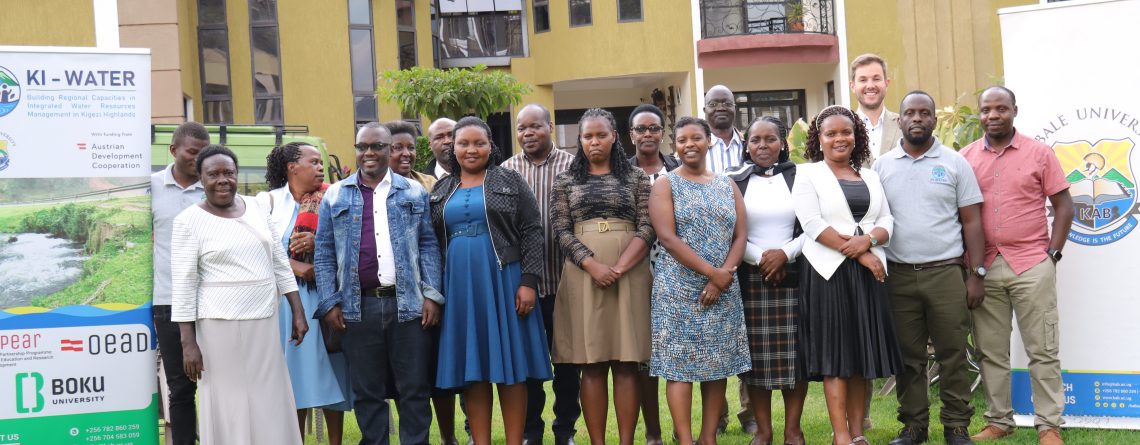
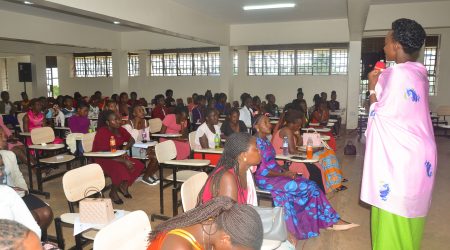
KABALE, UGANDA — The KI-WATER Stakeholder Progress Update and Feedback Workshop, held on Wednesday, 23 September 2026, at Cephas Hotel, Makanga, Kabale, reported significant progress in water resource monitoring, research capacity development, and community engagement across the Kigezi Sub-region.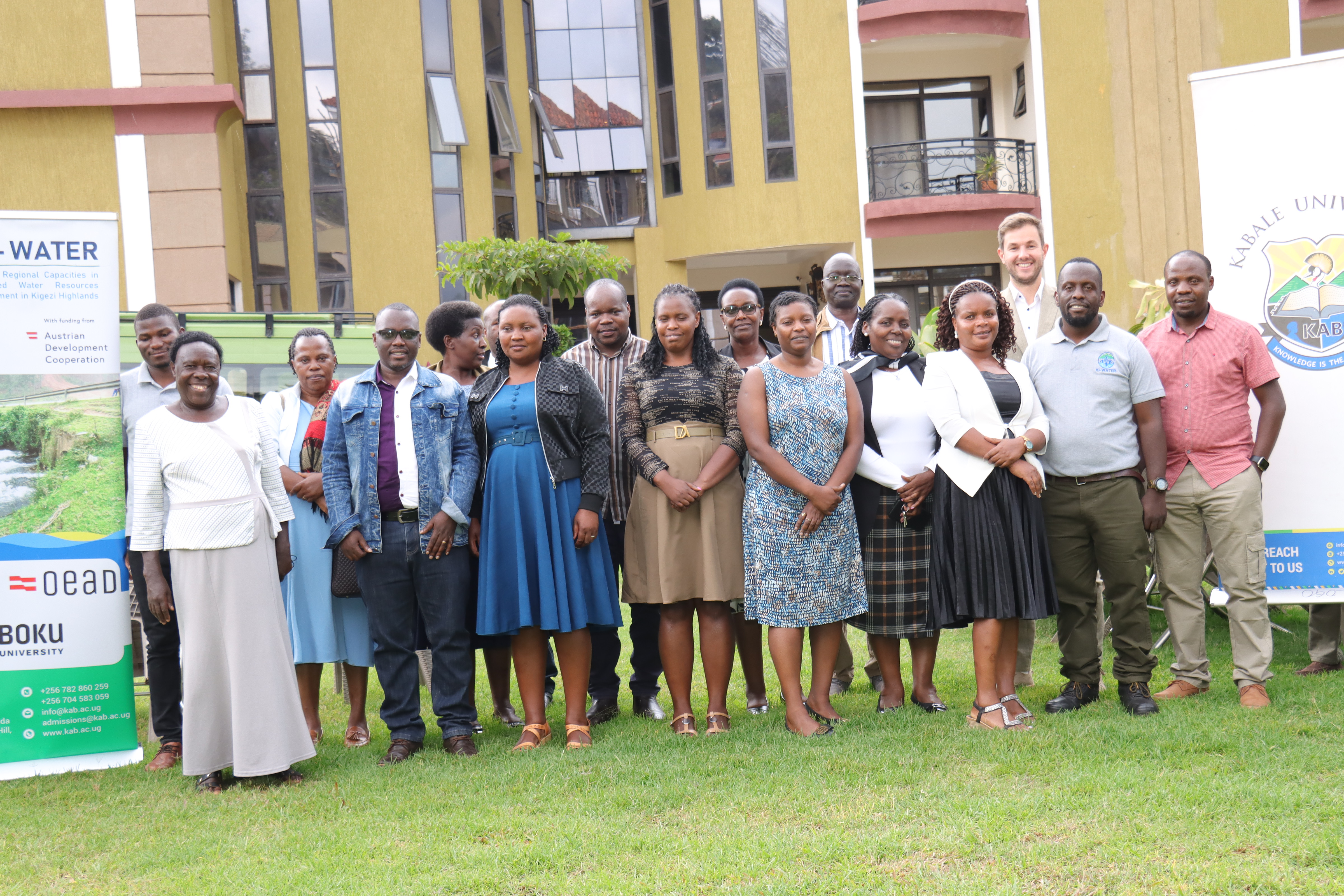
The KI-WATER project is implemented by Kabale University in partnership with BOKU University (Vienna), Austria. It is funded through the Austrian Partnership Programme in Higher Education and Research for Development (APPEAR) under the Austrian Development Cooperation (ADC). The project commenced in May 2025 and will run through April 2027.
Strengthening Water Resource Science and Governance
Speaking during the workshop, Gabriel Stecher, Project Co-Principal Investigator from BOKU University, emphasized the importance of linking scientific research with policy, local governance, and community needs.
He noted that the project goes beyond generating scientific data by seeking to ensure that research findings contribute to evidence-based decision-making and practical interventions within communities.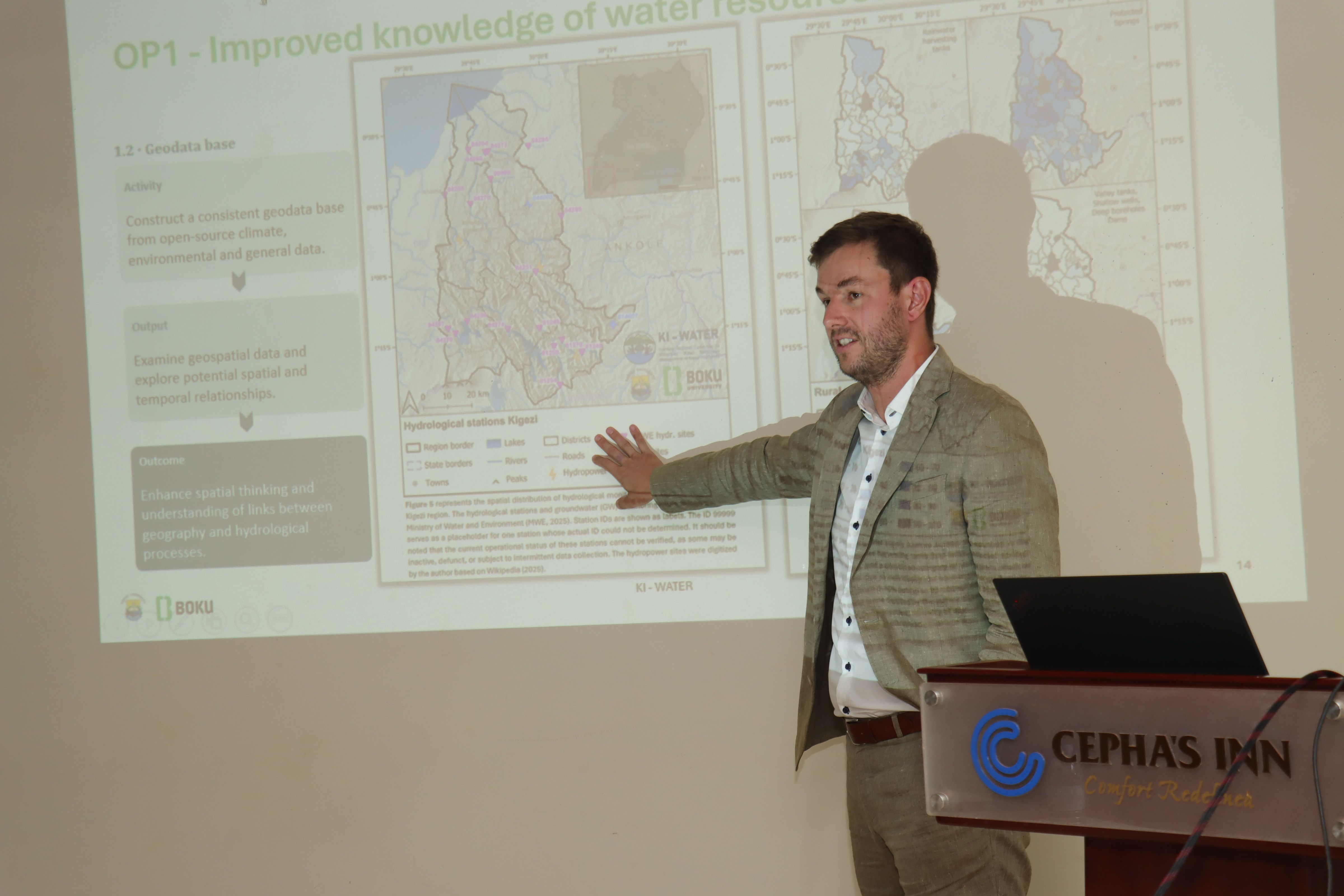
Key Project Milestones
Among the major achievements highlighted during the workshop was the development of an open-source Geographic Information System (GIS) database and spatial atlas documenting water resources across the Kigezi Highlands.
The project has also undertaken surface water monitoring, which commenced in March 2026. The exercise involves sampling 10 strategic sites across two case-study catchments over 12 months to assess water quality, quantity, and hydrometric parameters.
At Kabale University, the project has supported improvements in research and teaching infrastructure through the procurement of modern water-testing equipment and installation of a campus meteorological station to facilitate hydro-climatic monitoring and practical student training. Plans are also underway to establish air-quality monitoring equipment.
Enhancing Curriculum and Practical Research Skills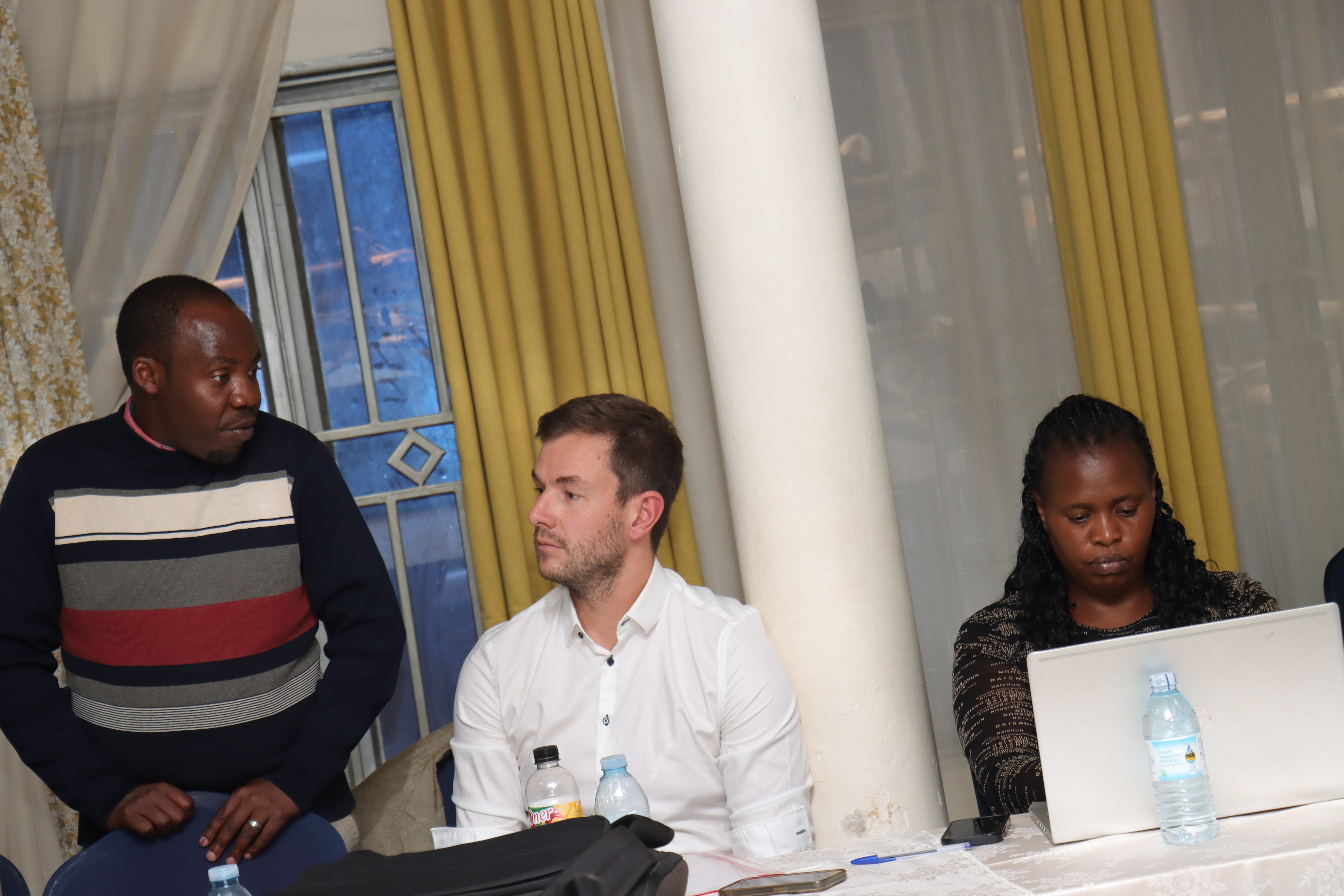
Dr. Alex Saturday, Principal Investigator for the KI-WATER project at Kabale University, highlighted the project’s contribution to strengthening practical learning and research capacity among students and academic staff.
Students and faculty members have participated in two field-based training campaigns focusing on stream discharge measurement, tracer-based hydrometric analysis, and pollution identification.
The project is also supporting the review of undergraduate and postgraduate programs to integrate modern modelling tools and field-based hydrological sampling approaches into the Integrated Water Resources Management (IWRM) curriculum.
These interventions are intended to equip students with practical and analytical skills relevant to contemporary water-resource management challenges.
Dissemination
Stakeholders Raise Concerns Over Catchment Degradation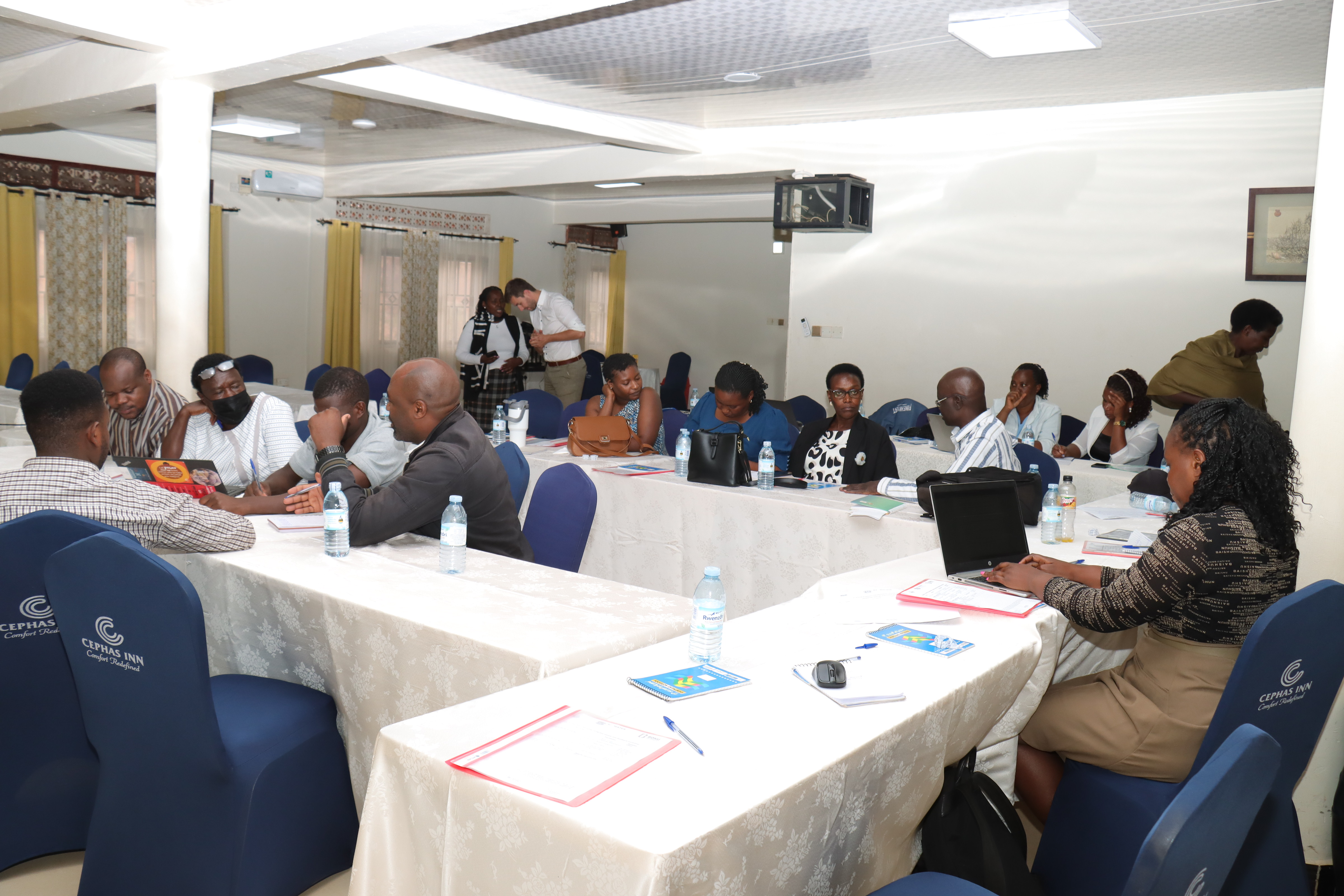
The workshop also provided an opportunity for stakeholders to discuss challenges affecting freshwater resources in the region, with particular concern raised over pollution and degradation within catchments surrounding Lake Bunyonyi and other water bodies.
Stakeholders identified several potential sources of pollution and environmental degradation, including agricultural run-off, soil erosion, over-cultivation, urban wastewater, commercial washing bays, markets, hotels, and poorly managed municipal waste.
Asimwe Evas, Senior Environment Officer in Kabale, emphasized the need for increased community awareness on water conservation and called for expanded radio-based sensitisation to reach more communities.
Tumwesigye Henry, Kabale District Natural Resources Officer, called for stronger collaboration between the university and local government institutions, particularly in enabling local authorities to benefit from the University’s advanced water-testing equipment for service delivery, climate adaptation, and catchment management.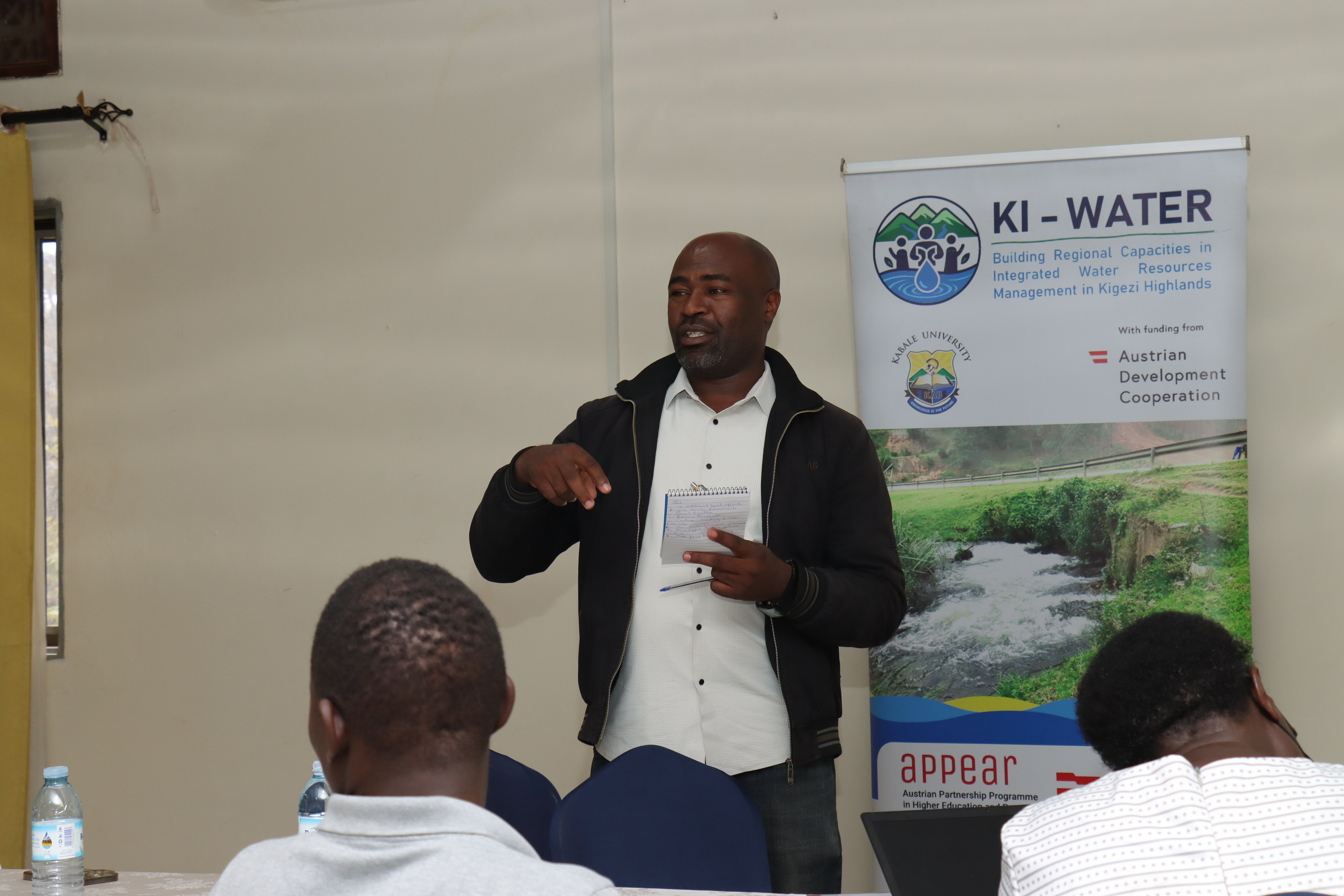
Muja Judith, District Natural Resources Officer, commended Kabale University for strengthening collaboration with local government structures. She noted that student internships and the sharing of technical expertise were contributing to increased capacity within district institutions.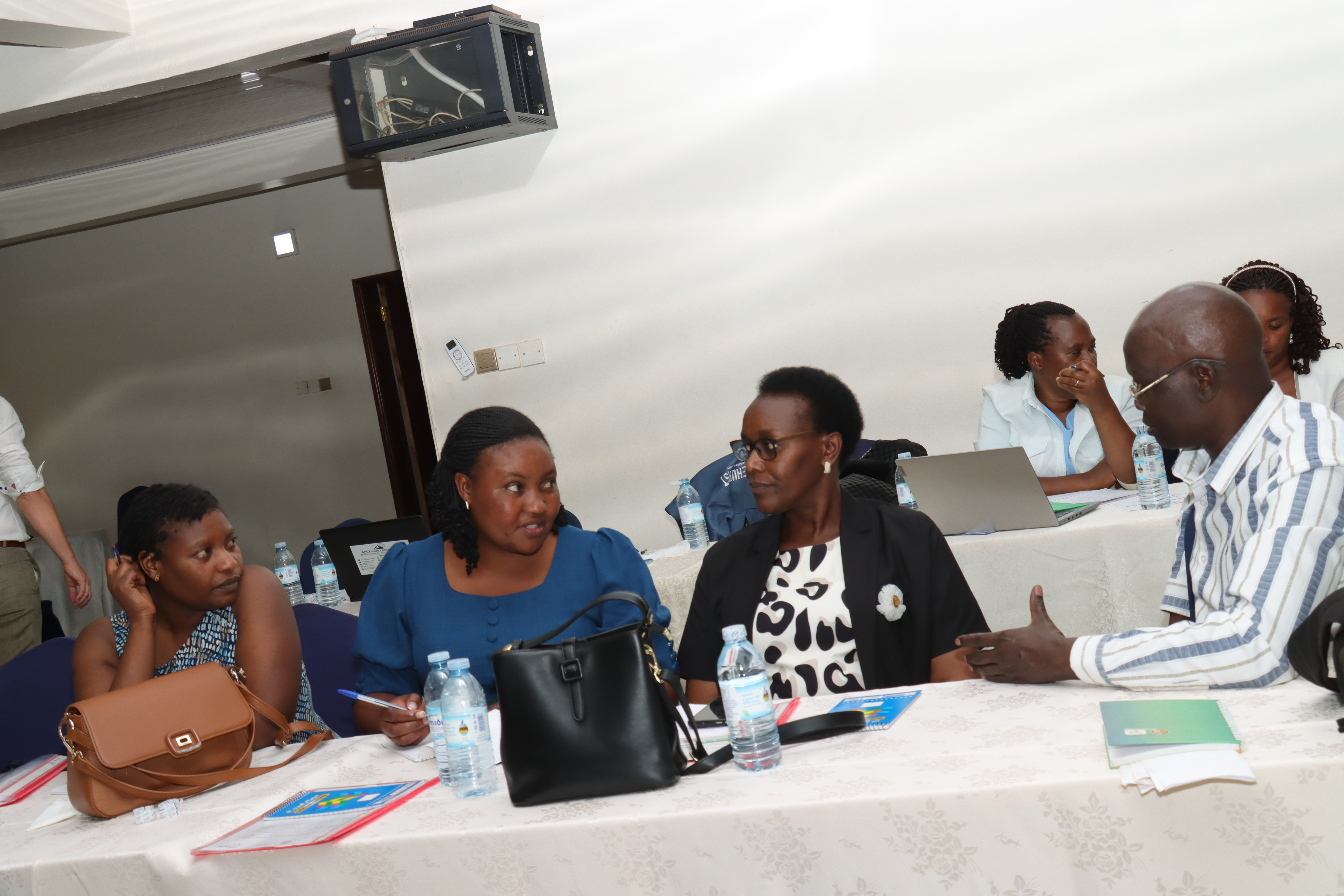
Recommendations for the Next Phase
Discussions during the workshop generated recommendations to guide implementation during the remaining period of the project up to April 2027.
Key recommendations included strengthening catchment protection and nature-based solutions through shoreline restoration, soil conservation, and sustainable agricultural practices; expanding community sensitisation and gender-inclusive participation, particularly involving women and youth in water-resource decision-making; and establishing continuous water-quality monitoring and stronger enforcement of environmental regulations.
The stakeholders further emphasized the importance of translating research findings into practical interventions that respond to the water-resource challenges experienced by communities across the Kigezi Highlands.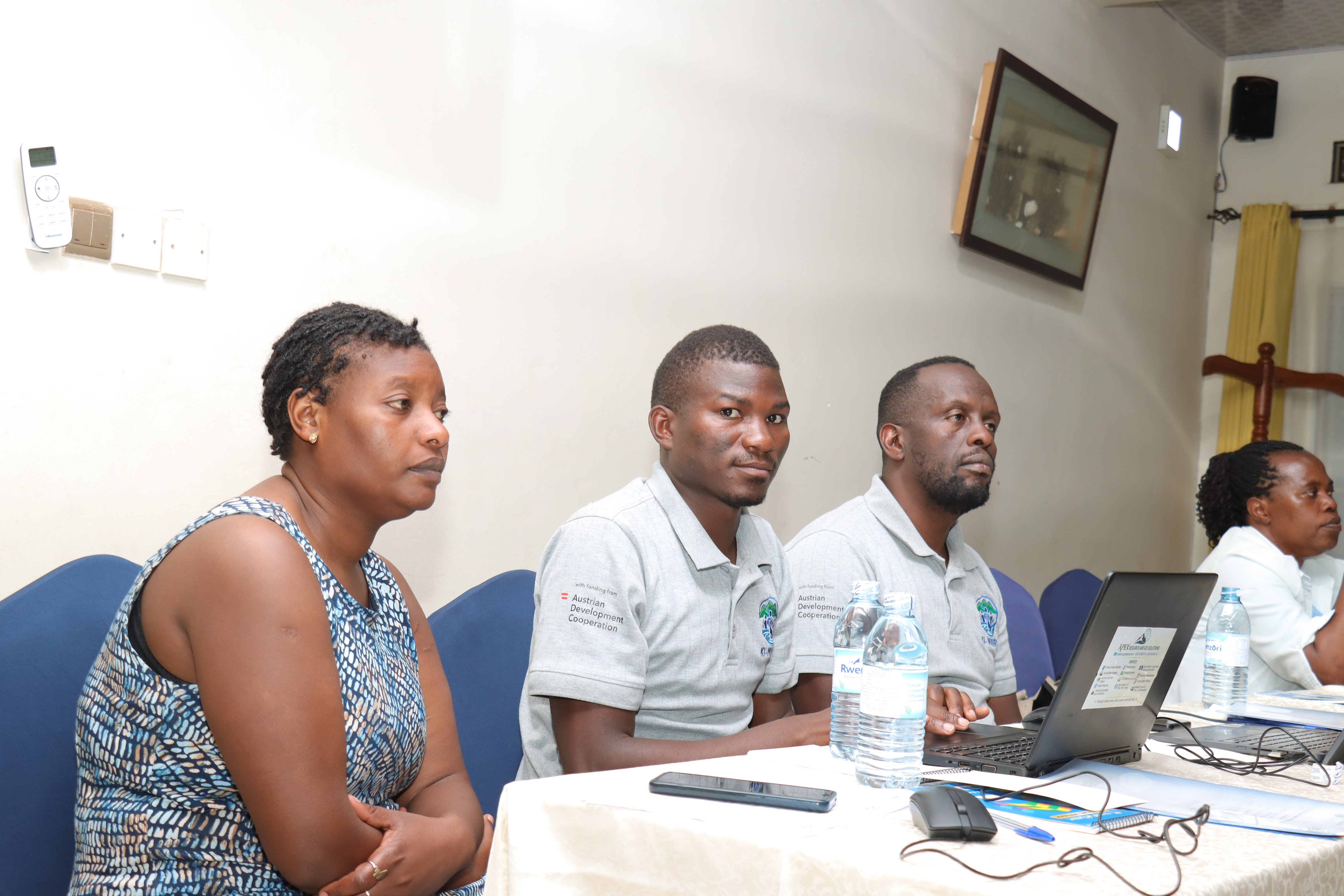
The KI-WATER project team reaffirmed its commitment to using findings from the first-year review to guide the next phase of implementation and strengthen the contribution of scientific research to sustainable water-resource management, policy development, and community resilience in the region.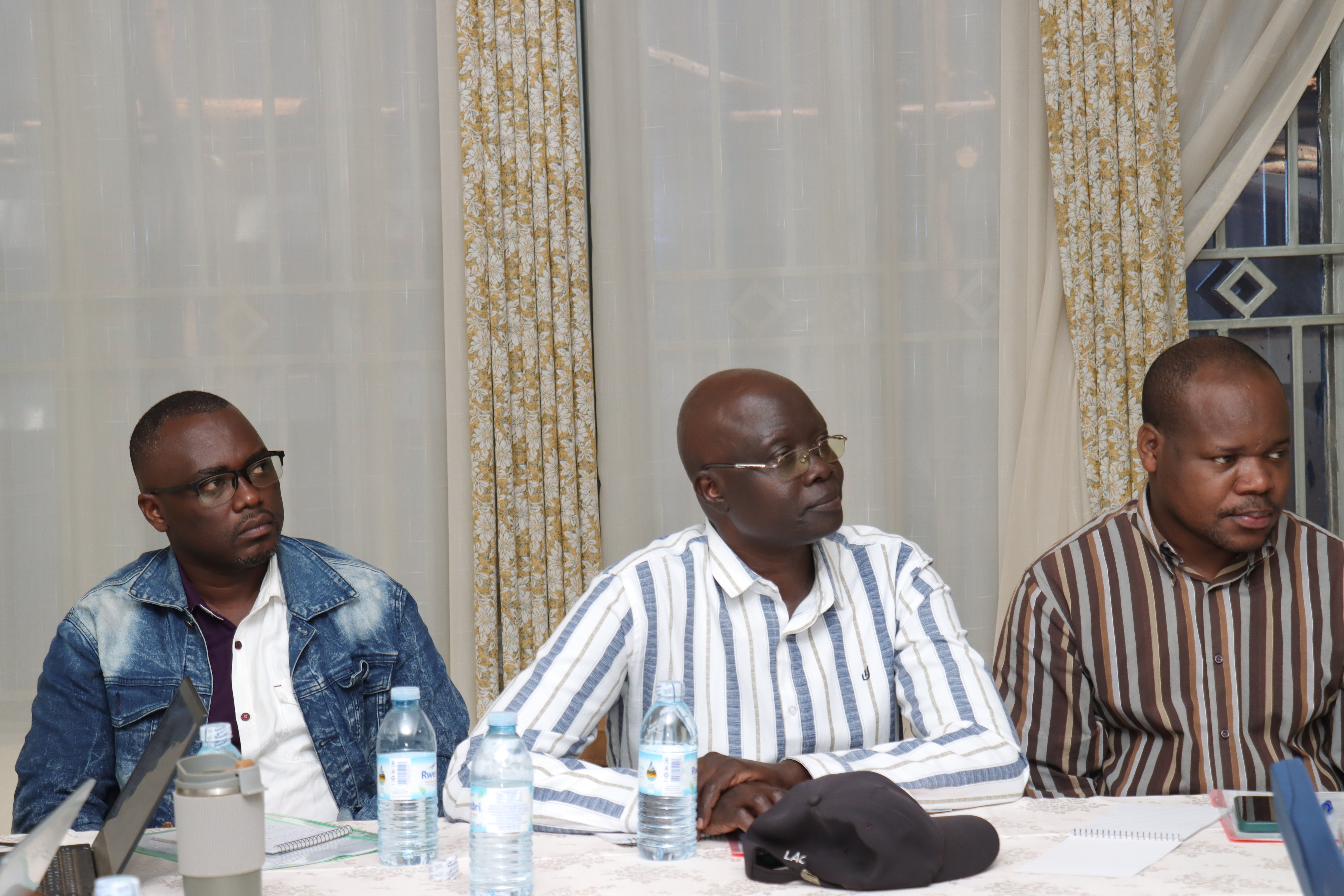
Discover more from Kabale University News
Subscribe to get the latest posts sent to your email.





Leave a Reply