
Kabale University Engineering Students Challenged to Drive Innovation through Research and Practical Skills
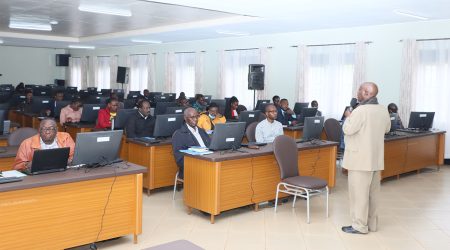
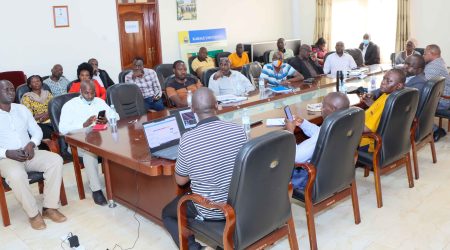
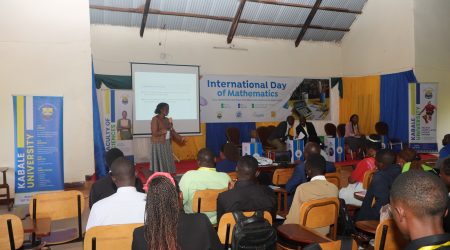
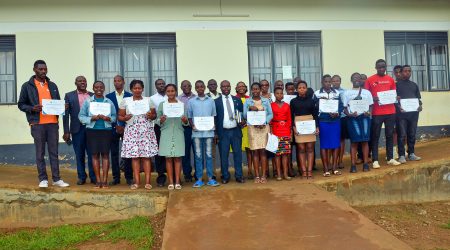
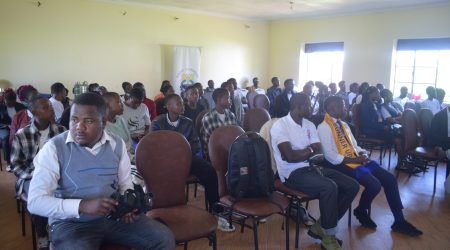
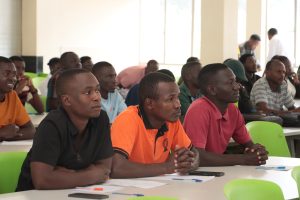 Kabale University has reaffirmed its commitment to nurturing innovation-driven engineers following a dynamic and thought-provoking General Assembly organized by the Kabale University Engineering Students Society (KESS). Held on Saturday, 25th April 2026, at the Main Hall of the Uganda National Institute for Teacher Education (UNITE), under the theme “Building a Research and Innovation-Oriented Future,” the assembly brought together students, academic leaders, and industry experts to explore pathways for shaping future-ready engineers.
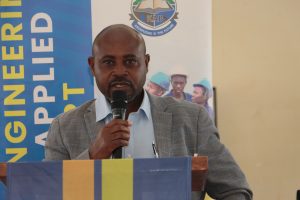
The Dean of the Faculty of Engineering, Technology, Applied Design, and Fine Art, Associate Professor Lawrence Muhwezi, in his opening remarks and welcoming all the guests, commended students for organizing the assembly. He highlighted the importance of such forums in addressing academic challenges and fostering collaboration between diploma and degree students. He reaffirmed the faculty’s support in advancing student-led initiatives.
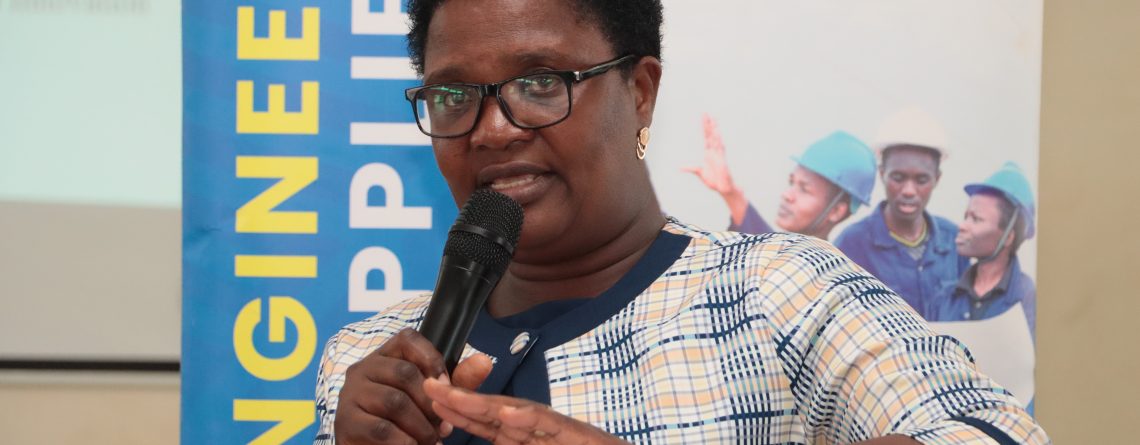
Delivering the keynote address, Eng. Alison Abenabo, Station Manager at the Ministry of Works and Transport, Kabale, challenged engineering students to embrace reverse engineering and industrial training as essential tools for innovation. She emphasized that students must move beyond theory and actively work to improve existing technologies.
“You need to be able to produce something better from what already exists,” she noted. “Dreams alone are not enough; implementation is what turns vision into reality.”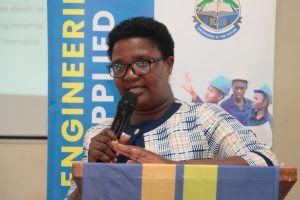
Eng. Abenabo reinforced the value of industrial training as a bridge between classroom learning and real-world application. She urged students to take internships seriously by engaging professionals, asking questions, and maintaining high ethical standards. She cautioned against unprofessional conduct such as breaching company confidentiality, stressing that discipline, teamwork, and communication are critical attributes in the workplace.
Highlighting the synergy between reverse engineering and industrial exposure, she described both as powerful drivers of research and innovation. According to her, these approaches enable students to analyze current systems and develop improved solutions that address real-world challenges.
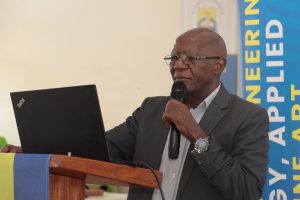 Adding an academic perspective, Associate Professor Moses Nduhira Twisigyeomwe encouraged students to take personal responsibility for innovation. He emphasized that the university provides a platform, but the initiative to think creatively and solve problems must come from the students themselves.
“Research is a creative and systematic process that expands knowledge and offers solutions,” he explained. “In engineering, it connects science to practical application—this is where true innovation lies.”
He further urged students to think independently and avoid being discouraged by public opinion, noting that groundbreaking ideas often emerge from unconventional thinking.
Dr. Julius Arinaitwe from the Directorate of Research and Grants called on students to view societal challenges as opportunities for innovation. He revealed that the government allocates over UGX 800 million toward research and encouraged students to develop proposals that can attract funding.
“Kabale University is positioning itself to channel at least 30% of research funding into innovative projects by 2030,” he stated. “We want ideas that not only advance the university but also transform our communities.”
He pointed to the KAB Innovation Centre as a growing hub of creativity and encouraged students to expand its potential with new ideas. Dr. Arinaitwe also clarified the university’s innovation policy, noting that while student innovations remain institutional property, innovators are entitled to 50% of the profits.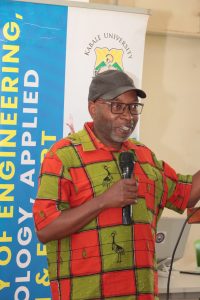
Closing the session, Mr. Simon Atwine, Assistant ICT Officer and CEO of Rendersoft Tech, challenged students to apply their engineering knowledge beyond traditional boundaries. He emphasized the importance of simplifying complex concepts for community understanding and encouraged the adoption of emerging technologies such as artificial intelligence.
“Technology does not think for us—we guide it,” he remarked. “Your ability to adapt and innovate will define your relevance in the modern world.”
The KESS General Assembly marked a significant step in strengthening Kabale University’s vision of producing skilled, innovative, and solution-oriented engineers. As students left the hall, the message was clear: the future of engineering lies not just in knowledge, but in creativity, action, and a commitment to solving real-world problems.
Discover more from Kabale University News
Subscribe to get the latest posts sent to your email.


Leave a Reply