

Kabale University Sensitizes Academic Staff on Records Management and Information Security
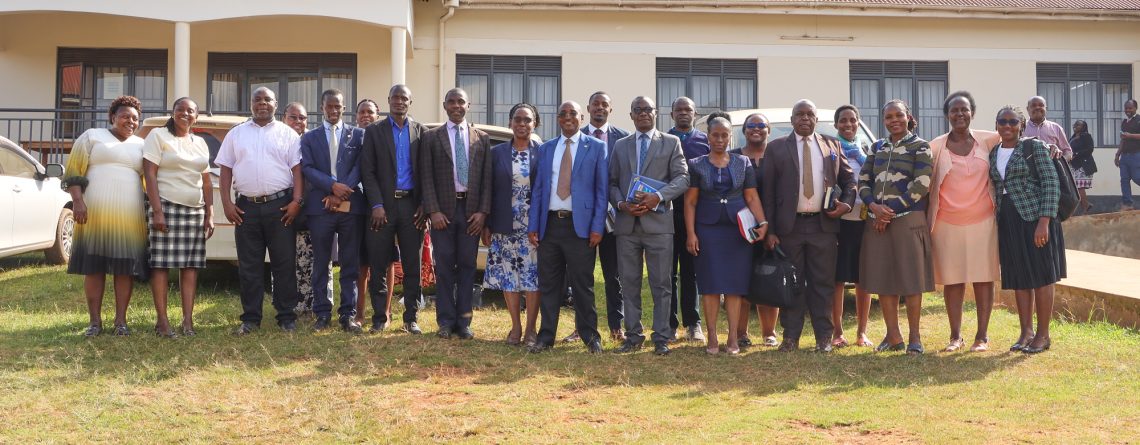
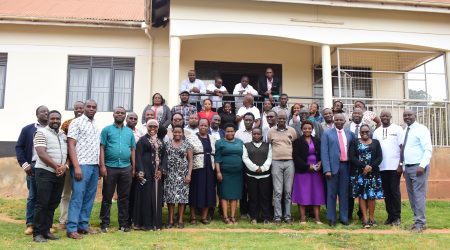
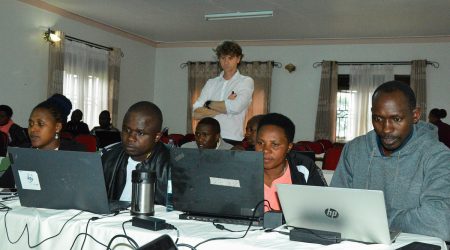
Kabale University has reinforced its commitment to accountability, transparency, and information security through a Records Management and Information Security Workshop for academic staff held on 18th June 2026 at the New Computer Laboratory.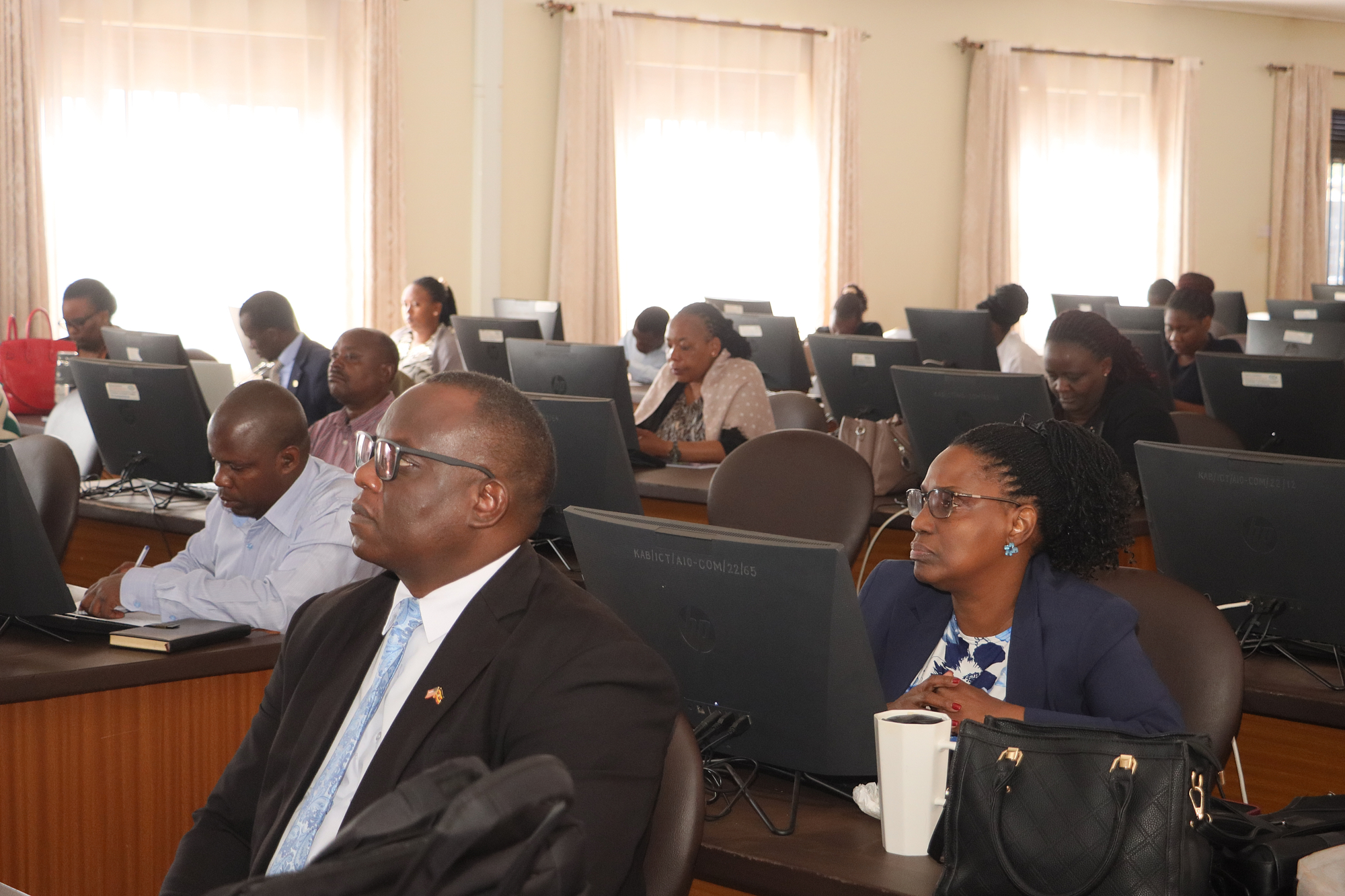
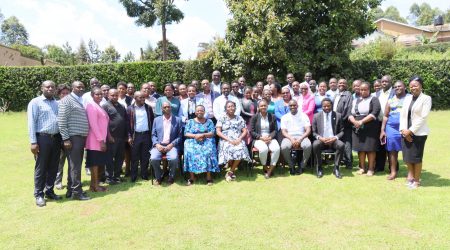
The workshop brought together Deans of Faculties, Heads of Institutes, Administrators, and academic staff to strengthen their understanding of effective records management practices and the protection of institutional information in line with national legal requirements and university policies.
Speaking during the workshop, Associate Professor Ruth Abankwah highlighted the critical role of records appraisal, retention, and disposal in ensuring efficient management of institutional information. She explained that appraisal helps determine the value of records and how long they should be retained, enabling the University to reduce storage costs, eliminate unnecessary records, and preserve information of enduring value.
“Retention and disposal of records must follow approved schedules to ensure compliance with legal and institutional requirements. Disposal should be systematic, authorized, and properly documented to safeguard sensitive information,” she emphasized.
The Deputy Chief Human Resource Officer, Mr. Arineitwe Emmanuel, underscored the importance of records management in promoting accountability, legal compliance, and efficient service delivery. He urged staff to follow established communication channels and regularly update their personal and professional records through the University Secretary’s office.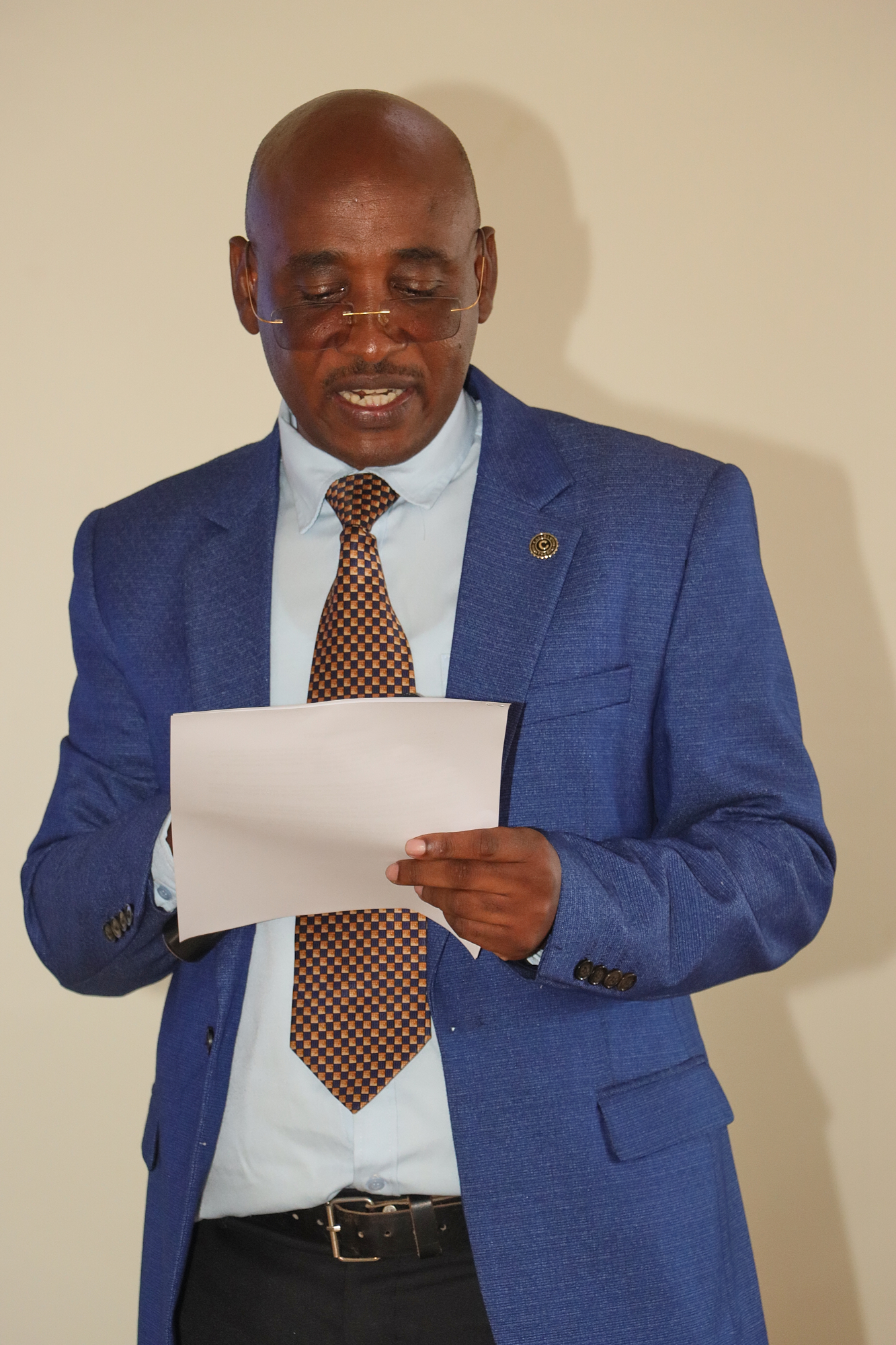
Addressing the aspect of information security, Dr. George William Kiyingi, represented by Associate Professor Abankwah, emphasized the need for staff to identify and appropriately handle sensitive information. He noted that safeguarding records is both a legal and ethical responsibility and encouraged adherence to best practices such as strong password management, access controls, and secure disposal of information.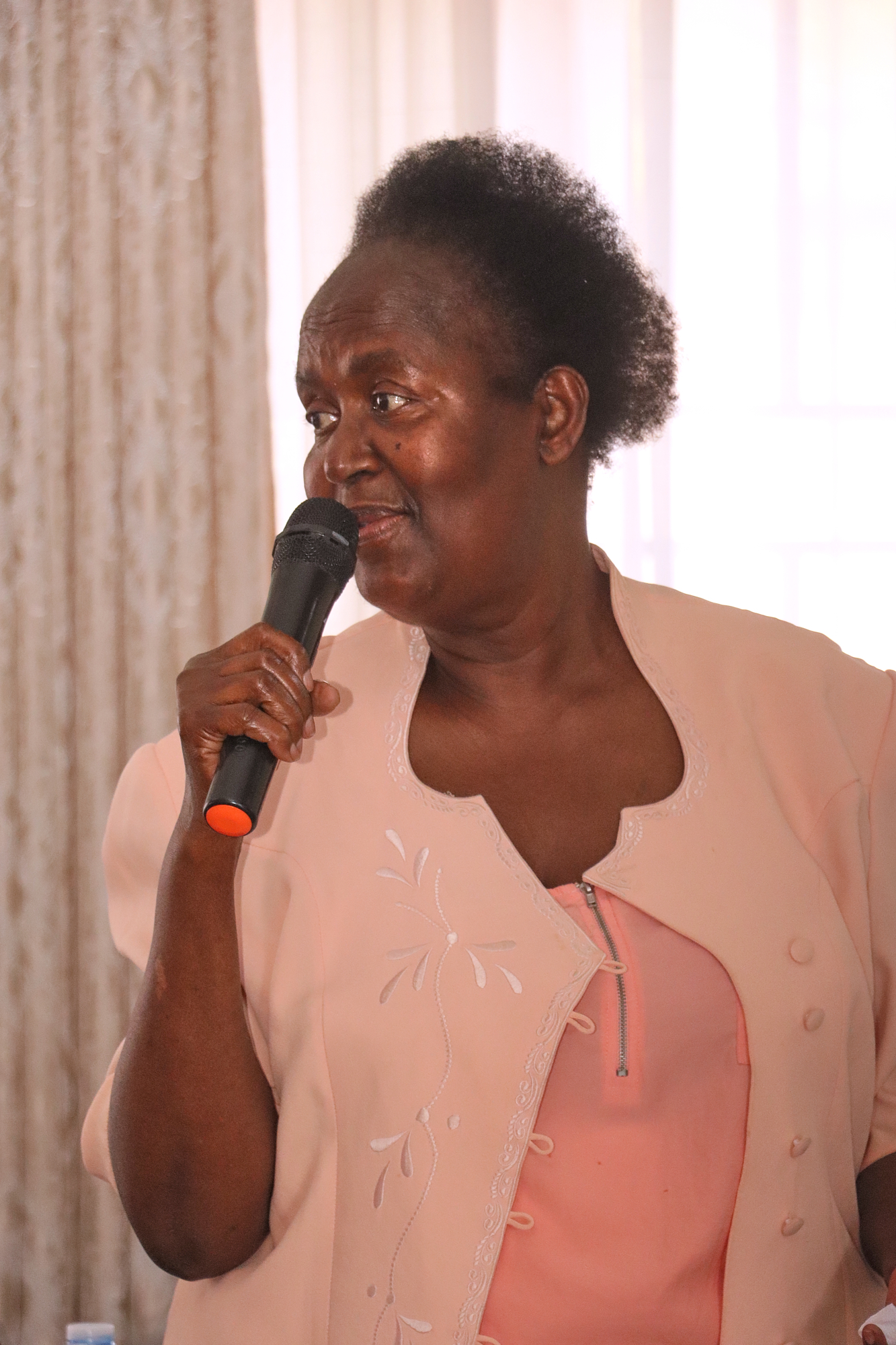
He further highlighted the importance of complying with the Uganda Data Protection and Privacy Act (2019), particularly in protecting student and staff information. Staff were cautioned against risky practices such as sharing passwords, storing official records on personal devices, leaving confidential documents unattended, and using unofficial communication platforms for official business.
The session also featured practical guidance on records handling from Geoffrey Magimbi, who outlined procedures for managing incoming and outgoing correspondence, file classification, tracking file movement, and applying security grading systems to protect sensitive records. He stressed the importance of proper file closure, records weeding, and transferring inactive records to the Records Centre for long-term preservation.
Mr. Orishaba Matayo, Records Assistant, emphasized that records serve as documented evidence of institutional activities and are essential for supporting the University’s vision, mission, and daily operations. He explained the records lifecycle—from creation and use to maintenance and disposal—and highlighted the role of the registry, records centre, and archives in ensuring effective records management.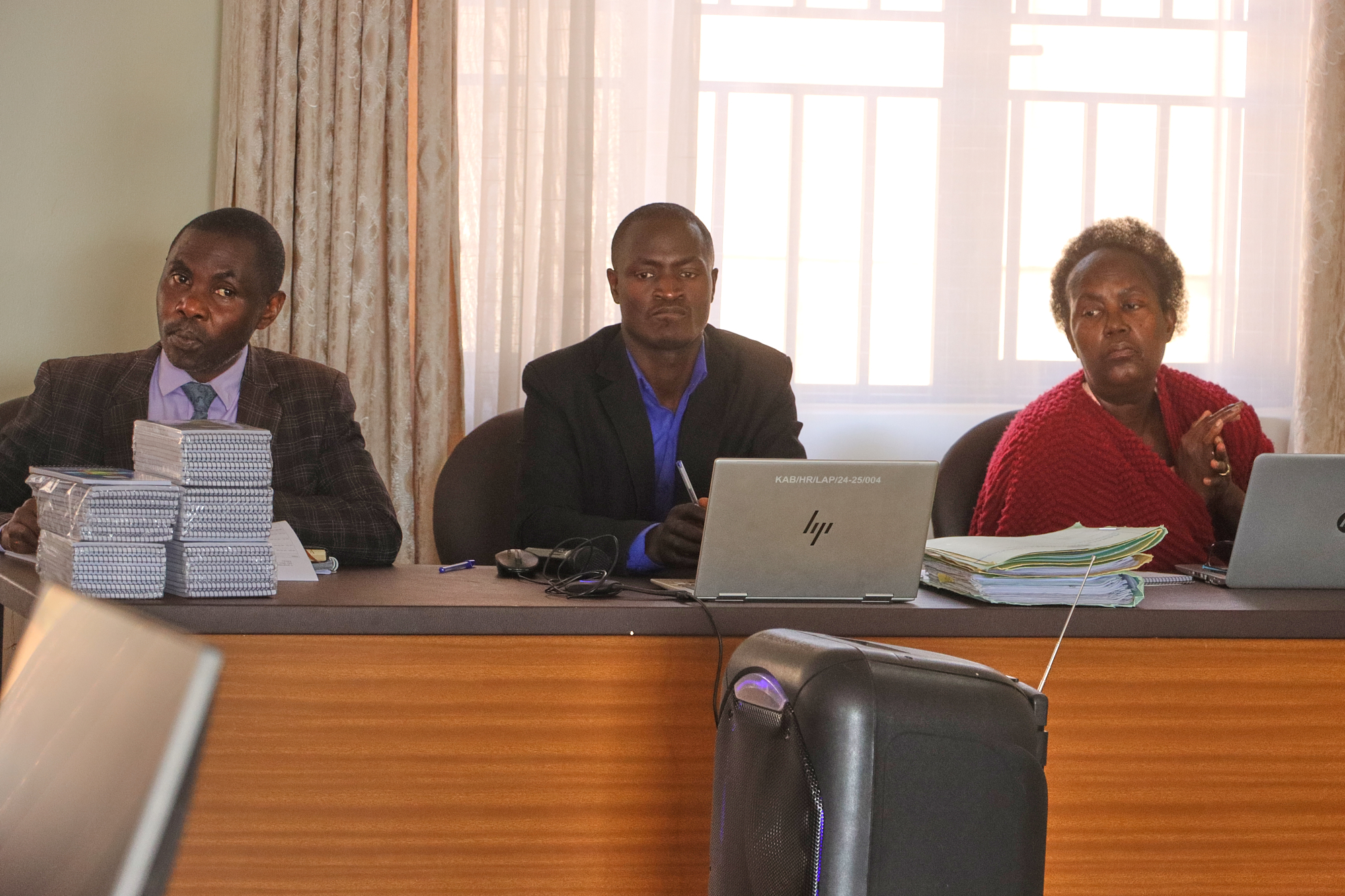
He noted that sound records management enhances institutional efficiency, transparency, accountability, legal compliance, and preservation of institutional memory. He also cautioned against poor records management practices that could compromise service delivery and organizational effectiveness.
The workshop concluded with a call upon all staff to embrace responsible records management and information security practices as essential components of good governance and institutional integrity.
Through such capacity-building initiatives, Kabale University continues to strengthen its systems, safeguard institutional information, and promote a culture of accountability, professionalism, and excellence in service delivery.
Discover more from Kabale University News
Subscribe to get the latest posts sent to your email.






Leave a Reply