
Kabale University Strengthens Open and Distance eLearning Capacity Through Erasmus+ Study Exchange in Europe
Kabale University has taken part in an international study exchange visit to Portugal and the Netherlands under the Erasmus+ supported ODeL-UG project. The project, titled ‘Enhancing Access and Quality of the Higher Education Landscape in Uganda through Open Distance e-Learning,’ seeks to strengthen institutional capacity for inclusive, flexible and quality higher education delivery in Uganda.
The University was represented by Mr. Robert Tumusiime from the Department of Open and Distance eLearning and Prof. Phelix Mbabazi Businge, Dean Faculty of Computing, Library and Information Science and Ag. Deputy chief ODeL. The Kabale University team joined other project partners from the National Council for Higher Education (NCHE), the Research and Education Network for Uganda (RENU), and Mountains of the Moon University (MMU) for the international mobility visit.
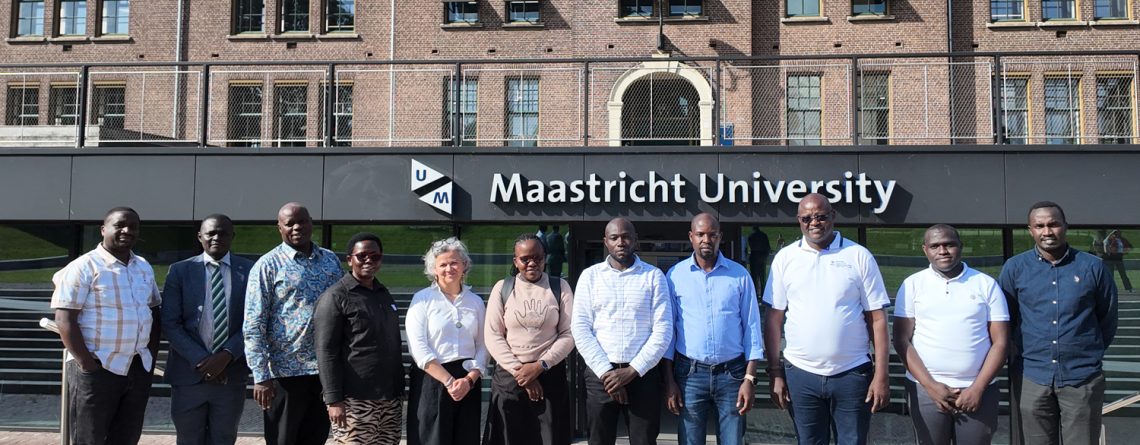
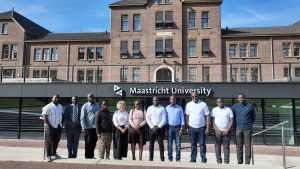
The study exchange took the delegation to the University of Lisbon in Portugal and Maastricht University in the Netherlands, two institutions whose experience in digital learning, flexible education models and student-centred pedagogy offered valuable lessons for Uganda’s higher education sector.
Kabale University extends its sincere appreciation to the European Union for its generous support through the Erasmus+ programme. The grant has provided an important platform for Ugandan institutions to learn from international practice, strengthen partnerships and accelerate conversations on the future of Open, Distance and eLearning in the country.
At the University of Lisbon, the delegation engaged with approaches that demonstrate how digital education can be embedded within the wider institutional mission. The visit highlighted the importance of coordinated systems for instructional design, academic staff development, learner support, digital resources, technology infrastructure and quality assurance.
The experience affirmed a key lesson for Kabale University: successful ODeL implementation is not achieved by technology alone. It requires clear policy direction, trained personnel, appropriate pedagogy, reliable infrastructure and a sustained institutional commitment to quality.
At Maastricht University, the delegation was exposed to models of student-centred and active learning that are highly relevant to online and blended education. The discussions challenged participants to think beyond uploading content to digital platforms and instead focus on designing complete learning experiences that promote interaction, independence, collaboration and accountability.
For Kabale University, the study exchange comes at a strategic moment. The University is actively advancing preparations for expanded ODeL implementation, including the development of fully online programmes, improved digital content design, strengthened learner support, online assessment and enhanced quality assurance systems.
The lessons from Portugal and the Netherlands are expected to inform ongoing institutional work around ODeL policy, digital pedagogy, programme design, academic supervision, learner tracking and accessibility. They also speak directly to the University’s broader commitment to widening access to higher education while maintaining academic standards.
Prof. Businge observed that the exchange visit provided an important opportunity to benchmark Kabale University’s ambitions against mature international practices. He emphasized that online learning must be approached as a fully supported academic model, not as a secondary or temporary mode of delivery.
Mr. Tumusiime noted that the visit reinforced the need for institutions to design meaningful learning journeys for students. He highlighted instructional design, staff development, accessibility, learner analytics, assessment and technical support as critical components of quality ODeL implementation.
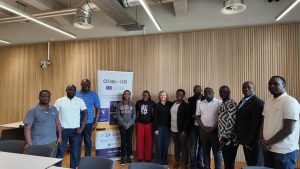
The participation of NCHE, RENU, MMU and Kabale University underscored the collaborative spirit of the ODeL-UG project. Bringing together regulatory, infrastructure and university partners creates a strong foundation for coordinated growth of Open, Distance and eLearning across Uganda’s higher education landscape.
Kabale University recognizes that the transformation of digital learning in Uganda requires both institutional commitment and sector-wide collaboration. Through the ODeL-UG project, partners are building a common understanding of what is needed to make online and blended learning more accessible, inclusive and credible.
The University remains committed to applying the insights gained from the study exchange to strengthen its ODeL systems, support academic staff, improve student learning experiences and contribute to Uganda’s digital transformation agenda in higher education.
Kabale University appreciates the European Union, the Erasmus+ programme, the University of Lisbon, Maastricht University and all ODeL-UG project partners for their continued support, collaboration and commitment to advancing inclusive, flexible and quality higher education in Uganda.
About ODeL-UG: The Erasmus+ supported ODeL-UG project is focused on enhancing access and quality in Uganda’s higher education landscape through Open, Distance and eLearning. It brings together Ugandan and international partners to strengthen institutional capacity, promote knowledge exchange and support sustainable digital learning practices.
Discover more from Kabale University News
Subscribe to get the latest posts sent to your email.

Leave a Reply