


Senior Staff Attend a Workshop on Mentorship at Jinja Civil Service College
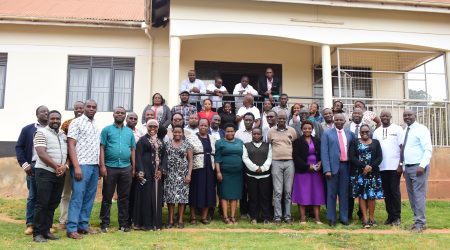
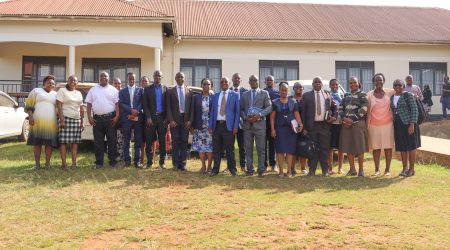
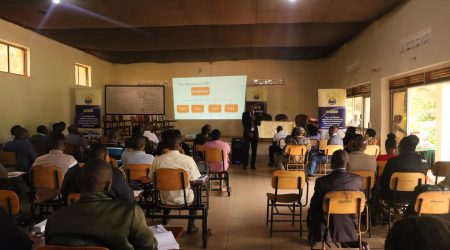
We are glad to strengthen our leadership and lay strategies for shaping the future. To achieve this several of our professors have been undergoing Senior Academic Staff mentorship training at the Civil Service College Jinja. This is part of our broader strategy to build a strong university that will be a centre of excellence in the Great Lakes region and beyond. The training conducted over three days brought forward many insights into collaboration and vision that would help build a better university.
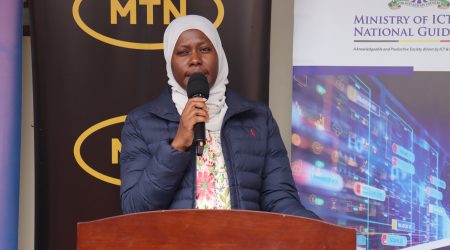
 In the opening remarks from the Commissioner of Civil Service Collega Ms. Savia Mugwanya welcomed the professors and stressed the importance of the training. She highlighted the deliverables of succession planning and mentorship as keys to any organisation’s growth strategy. She highlighted the importance of mentoring in a more personalised way to bring results. Savia also advised professors to pitch themselves well to catch the eye of the government.
The Deputy Vice Chancellor for Academic Affairs Prof. Johnny Mugisha who also opened the training highlighted the role played by professors in the growth of Kabale University. He stressed the fact that “Professors should be at the forefront of providing moral encouragement. ” Professors must be capable of taking on leadership responsibilities as the leaders of the academic team. He urged them to embrace lifelong learning, foster interdisciplinary collaboration, and mentor junior colleagues with integrity. By modeling ethical leadership and scholarly rigor, they would strengthen Kabale University’s reputation and drive impactful community engagement through research, teaching, and service.
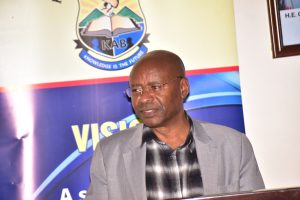 Among the key facilitators was Mr Benjamin Kumumanya, the Permanent Secretary to the Ministry of Local Government. As part of his remarks, he emphasized the role that universities play in supporting the government through research. He highlighted a number of constitutional provisions that could benefit from the expertise of academia. During his opening remarks, he emphasized the importance of academic expertise when undertaking development programmes undertaken by the government of Uganda in the past. It is important to recognize the role that professors play as public officers who are able to speak to the government based on their research. Among other topics, he discussed professors’ responsibilities as public servants. Additionally, he highlighted the importance of directing, controlling, and coordinating government resources to ensure accountability.
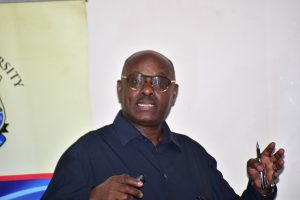 In addition, Kumumanya identified some low-hanging fruit that could be the subject of research by university professors. Some of these problems include limited services to the population, corruption and neglect of duty, abounding programs and projects, conflict management, shoddy workmanship, and abuse of power. He urged professors to take a leading role in supporting government programs. This is done by sharpening skills, improving energies, increasing potency, expanding horizons, and invigorating the will for socio-economic transformation in the beloved motherland of Uganda. Mr Ben Kumumanya emphasised the willingness of government to collaborate with universities in developing Uganda once they together with government are in alignment.
In addition, Ms Assumpta Tibamwenda Ikiriza one of the facilitators stressed the importance of professors’ role in the stewardship of research grants during her presentation. As part of her presentation, she highlighted the role of professors in pitching to potential donors and the use of publishing to expand the reach of Kabale University. She highlighted the various areas of entry of the universities into the global arena by solving problems throughout the world. She urged the professors to foster ethical research practices, cultivate mentorship for students & colleagues, and build interdisciplinary teams that address real-world needs. By aligning institutional priorities with national development goals, universities can attract strategic partnerships, secure sustainable funding, and amplify Uganda’s visibility on the global stage.
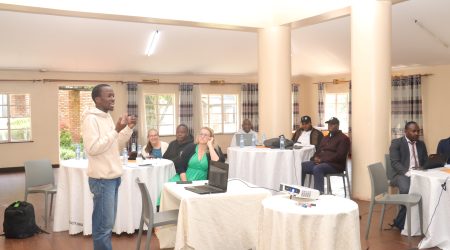
In closing the three days of activity the participants discussed the draft mentorship policy at Kabale University. The Chief of Human Resource training led the participants and guided the discussion of the mentorship policy. The group agreed on clear objectives, defined mentor responsibilities, and measurable outcomes to monitor progress. Attendees committed to finalizing the policy for adoption, with periodic reviews to ensure effective implementation and alignment with ethical standards and priorities.
Discover more from Kabale University News
Subscribe to get the latest posts sent to your email.




Leave a Reply