

U.S. Envoy Urges Kabale University to Deepen Innovation and Research Partnerships
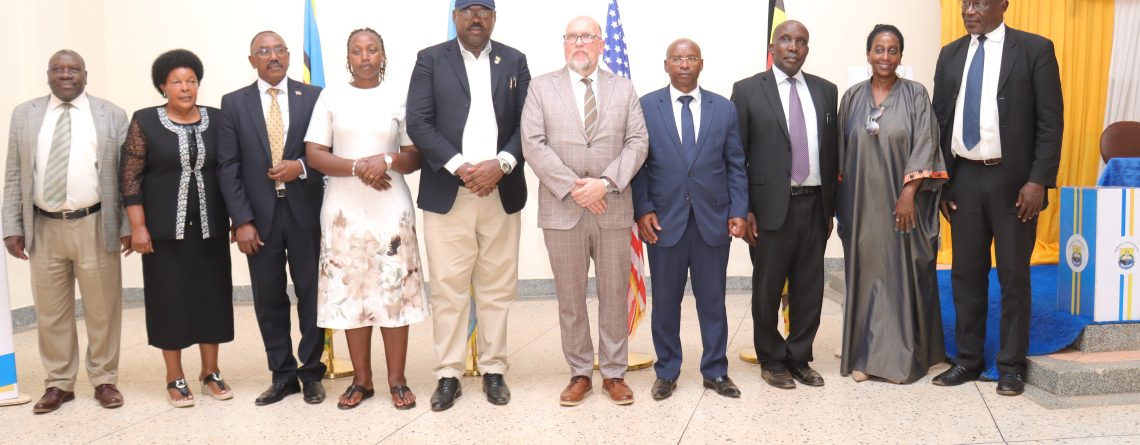
KABALE, UGANDA — The American Chargé d’Affaires and Acting Ambassador to Uganda, Mike Cleverley, has urged Kabale University to deepen partnerships with American universities, research institutions and the private sector to strengthen innovation, research, entrepreneurship and opportunities for students in the Kigezi region.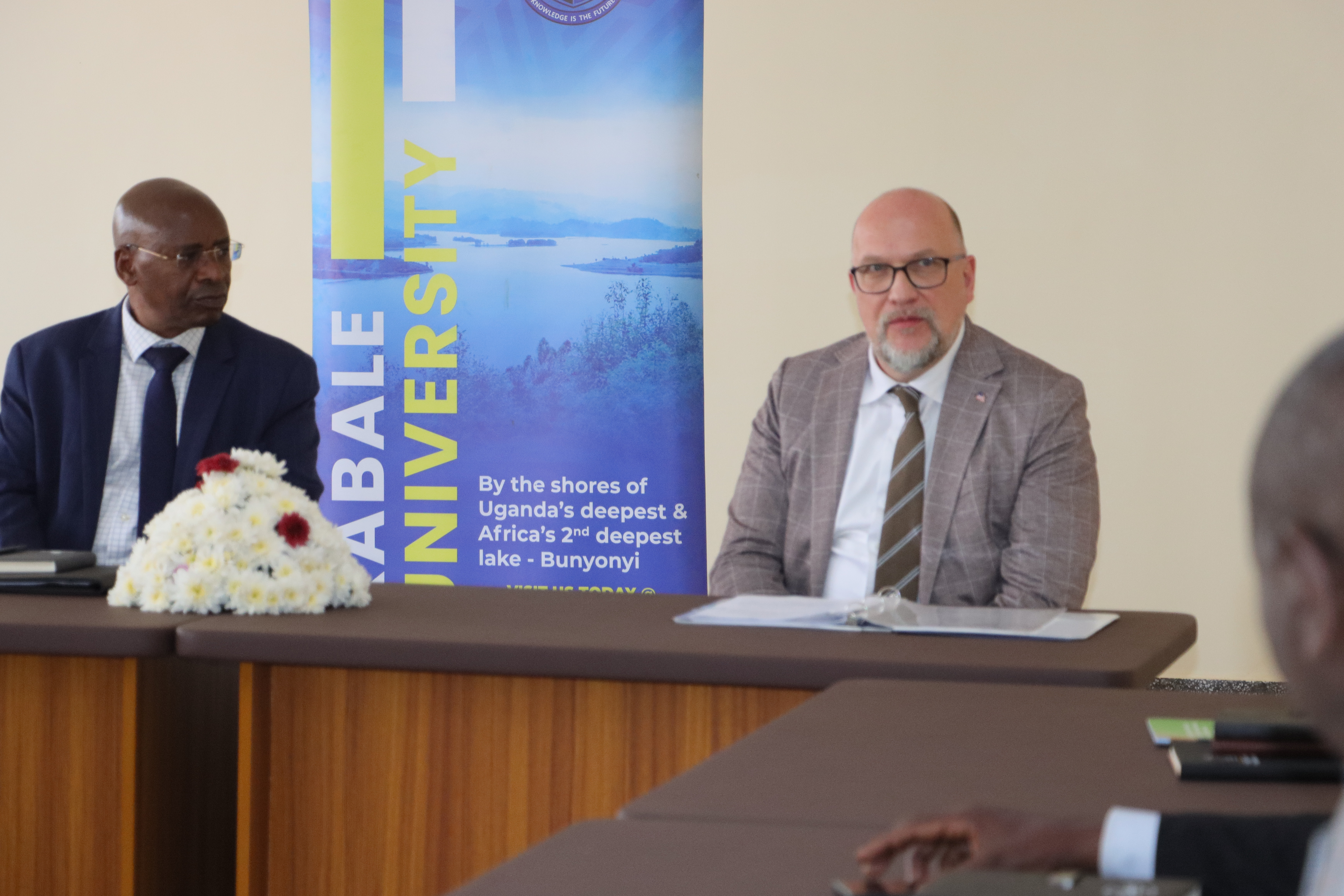
Cleverley made the remarks on Monday, 28 September 2026, during a visit to Kabale University’s main campus. The visit was part of his engagement beyond Kampala to identify opportunities across Uganda and explore ways to strengthen partnerships between the United States and Ugandan institutions.
“This is my first visit to the Southwest, but not my last,” Cleverley said, expressing interest in connecting Kabale University with American universities, exchange programs, research institutions, and other organizations that could contribute to the University’s development.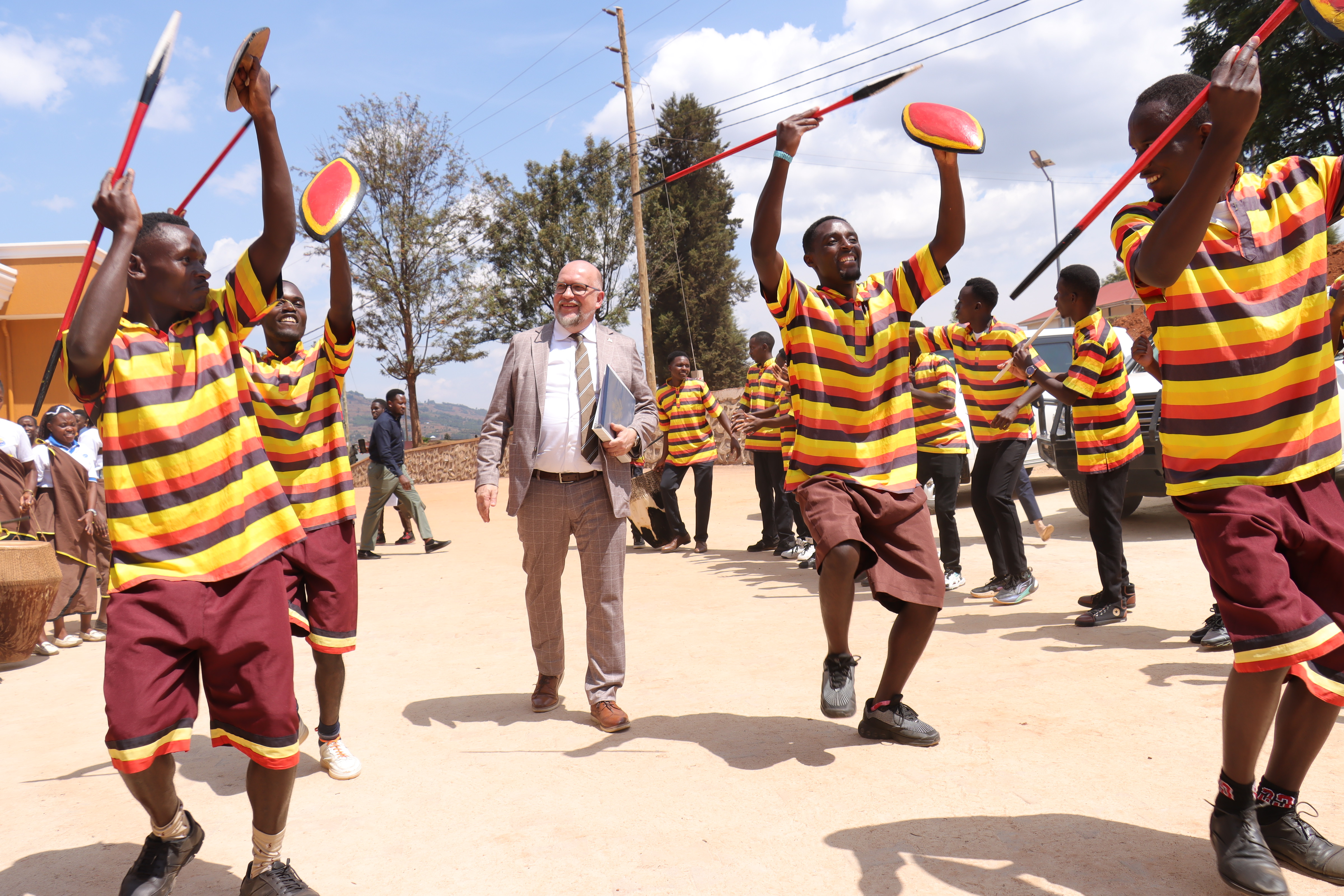
He highlighted opportunities available through the U.S. Embassy, including educational exchanges, scholarships and university partnerships. He also pointed students to the American Centre in Kampala, where they can access free internet and guidance on studying and applying for scholarships in the United States.
A key focus of the engagement was the need to strengthen collaboration between universities and the private sector so that research outputs and student innovations can be translated into commercially viable enterprises.
Drawing on the U.S. experience, Cleverley emphasized the importance of building innovation ecosystems that bring together universities, businesses, government-supported research institutions, students and investors. He cited innovation centers such as Silicon Valley as examples of ecosystems built around strong universities, talented researchers, private-sector investment and research support.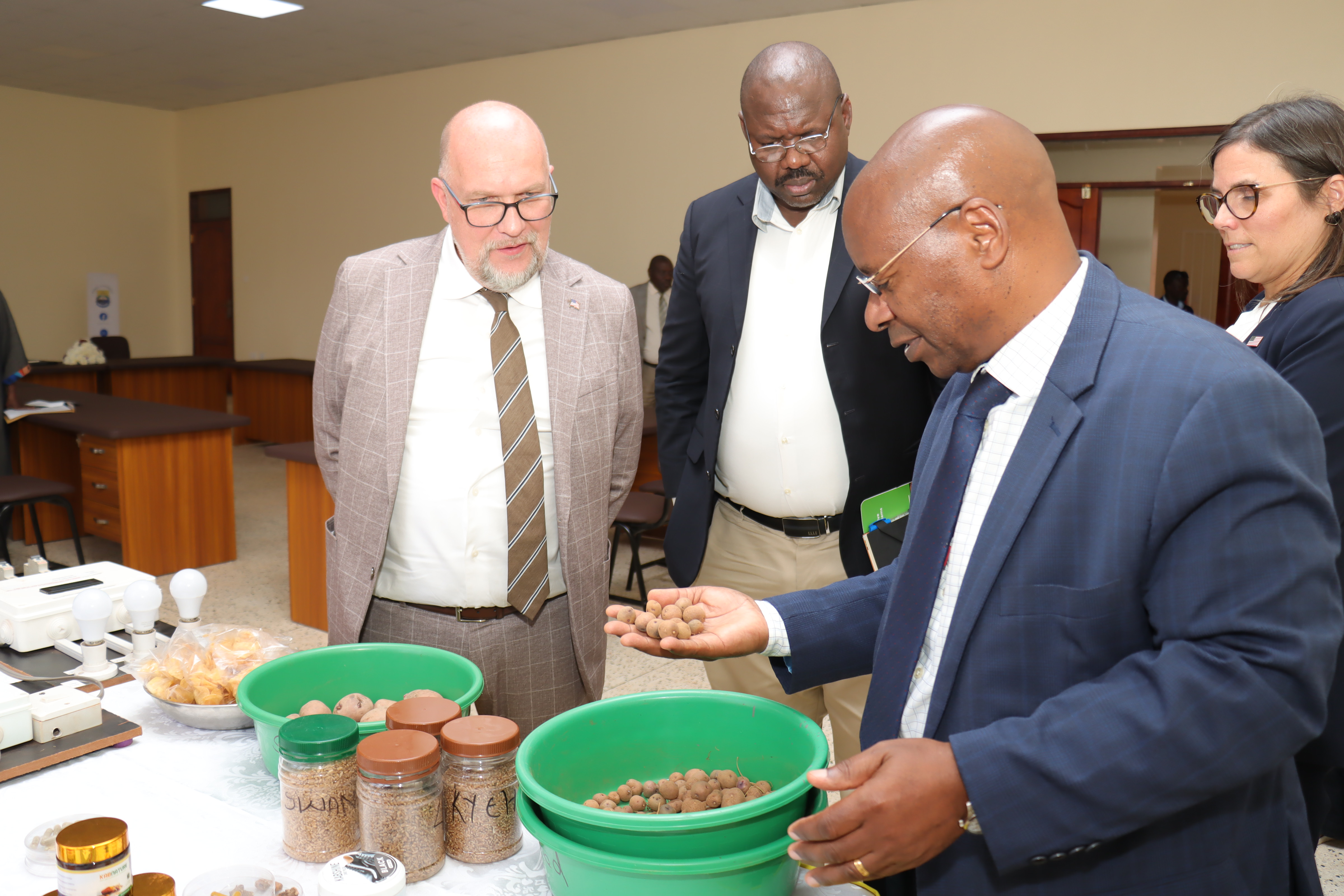
“You want not just the capacity to have a startup, but also the capacity to finance the startup,” Cleverley told students.
He encouraged Kabale University to establish stronger links between its academic community and businesses to expand access to financing, mentorship and opportunities for commercialising innovations.
Acting Vice Chancellor of Kabale University, Prof. Jonny Mugisha, said international partnerships are critical to advancing research, innovation, community development and training.
The University identified several priority areas for potential collaboration with U.S. institutions, including innovation and entrepreneurship, a central research laboratory, living laboratories, tourism and hospitality, joint academic research, student exchanges and staff exchanges.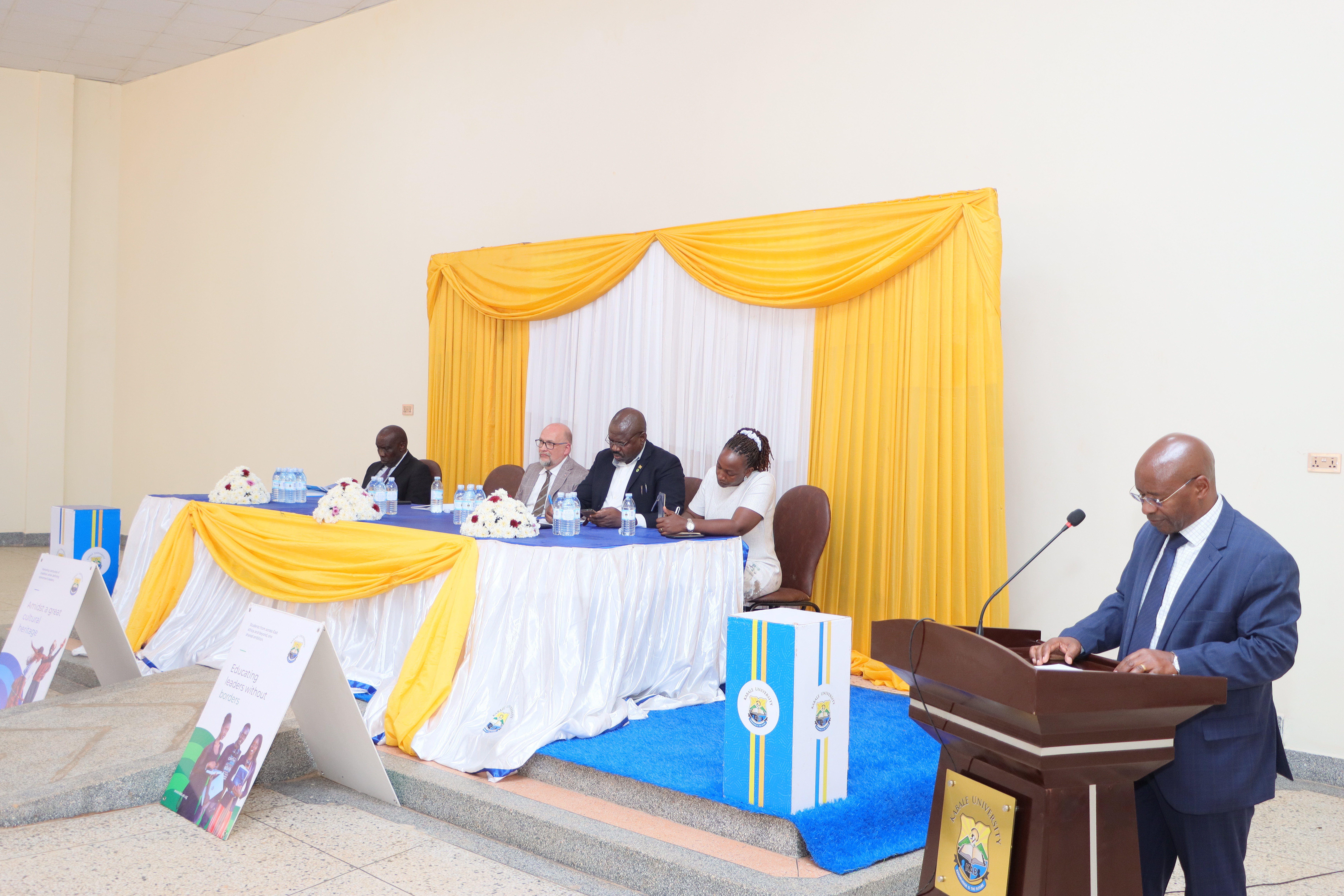
The University also highlighted the Kabale Business Incubation Centre (KABBIC), established with support from UNDP, as an important platform for agribusiness innovation. KABBIC is expected to create more than 10,000 jobs and empower 150,000 farmers through agribusiness innovation.
The Spark Innovation Hub was also presented as a platform supporting digital skills, online entrepreneurship, start-ups, financial inclusion and digital employment opportunities.
Kabale University further highlighted several initiatives that have already benefited from collaboration with U.S. institutions and organizations. These include research on papyrus wetland biodiversity, microsporidia, malaria diagnostics, doctoral training and the establishment of an anesthesia hub.
The University also works with Health Volunteers Overseas (HVO), with support from the American Government, to strengthen clinical capacity at the School of Medicine and Kabale Regional Referral Hospital. The partnership provides short-term teaching, mentorship and clinical support in anesthesia, pediatrics and child health, and internal medicine.
The University further acknowledged personal donations valued at US$25,000 from American lawyer Joel P. Leonard and his wife, Dr. Claudia Leonard, an HVO volunteer, towards internet connectivity and ICT infrastructure.
Kabale University’s location in the Kigezi region was highlighted as an opportunity for specialized partnerships in agriculture, environmental conservation, health, ICT, engineering, tourism, culture and heritage.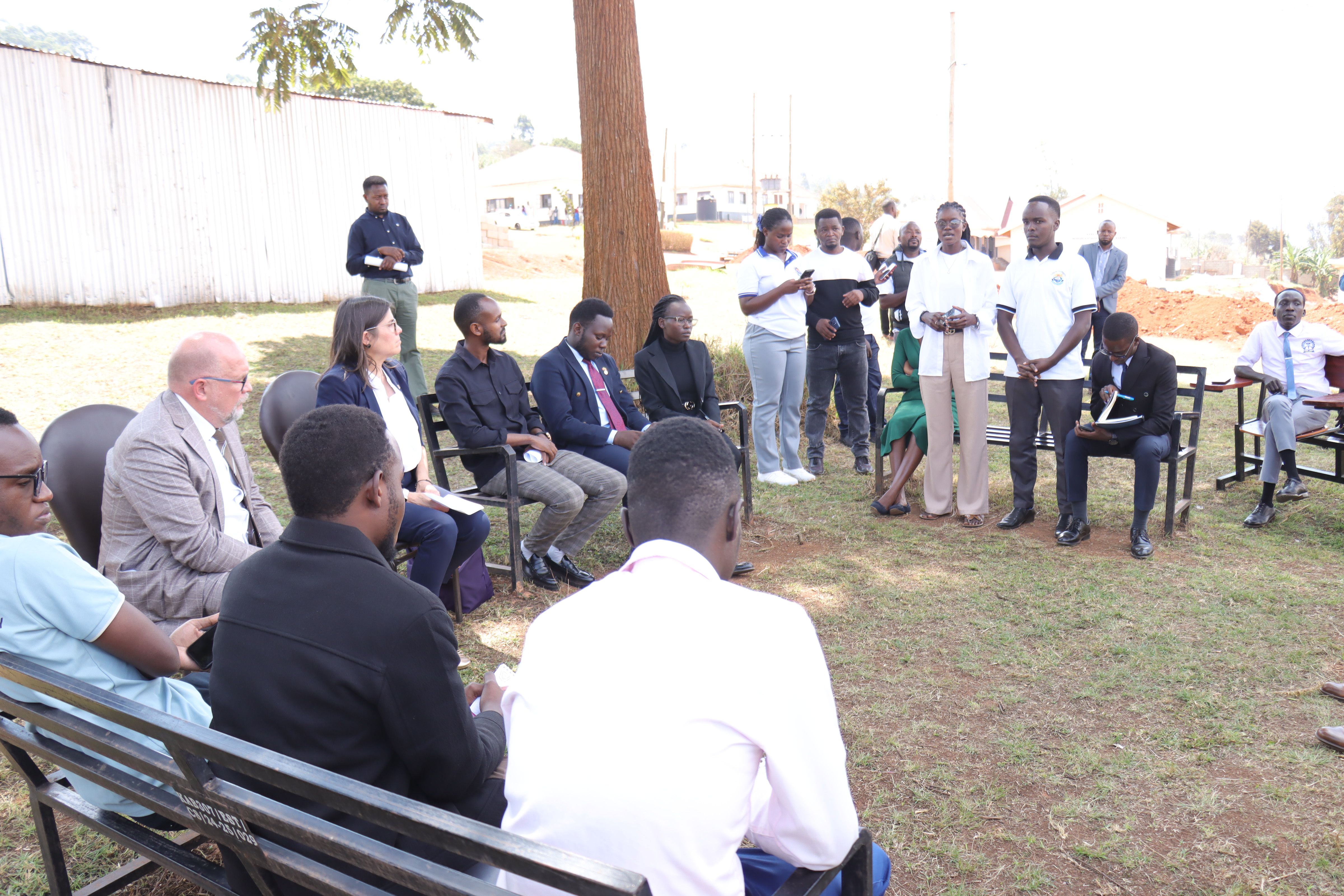
The University proposed the development of living laboratories where students, researchers, communities, policymakers and partners can jointly develop and test solutions to regional challenges, including climate change, post-harvest losses, agribusiness, digital transformation and rural healthcare.
The University also proposed establishing a Tourism and Hospitality Centre of Excellence to strengthen education, research and innovation in eco-tourism and community-based tourism.
Other proposed areas of cooperation include telemedicine, e-health, joint medical research, student internships, summer schools, visiting professors and virtual classrooms.
Prof. Mugisha noted that one of the University’s key challenges is identifying U.S.-based institutions interested in its priority areas and establishing direct partnerships with them. Limited strategic infrastructure and financial resources were also identified as challenges.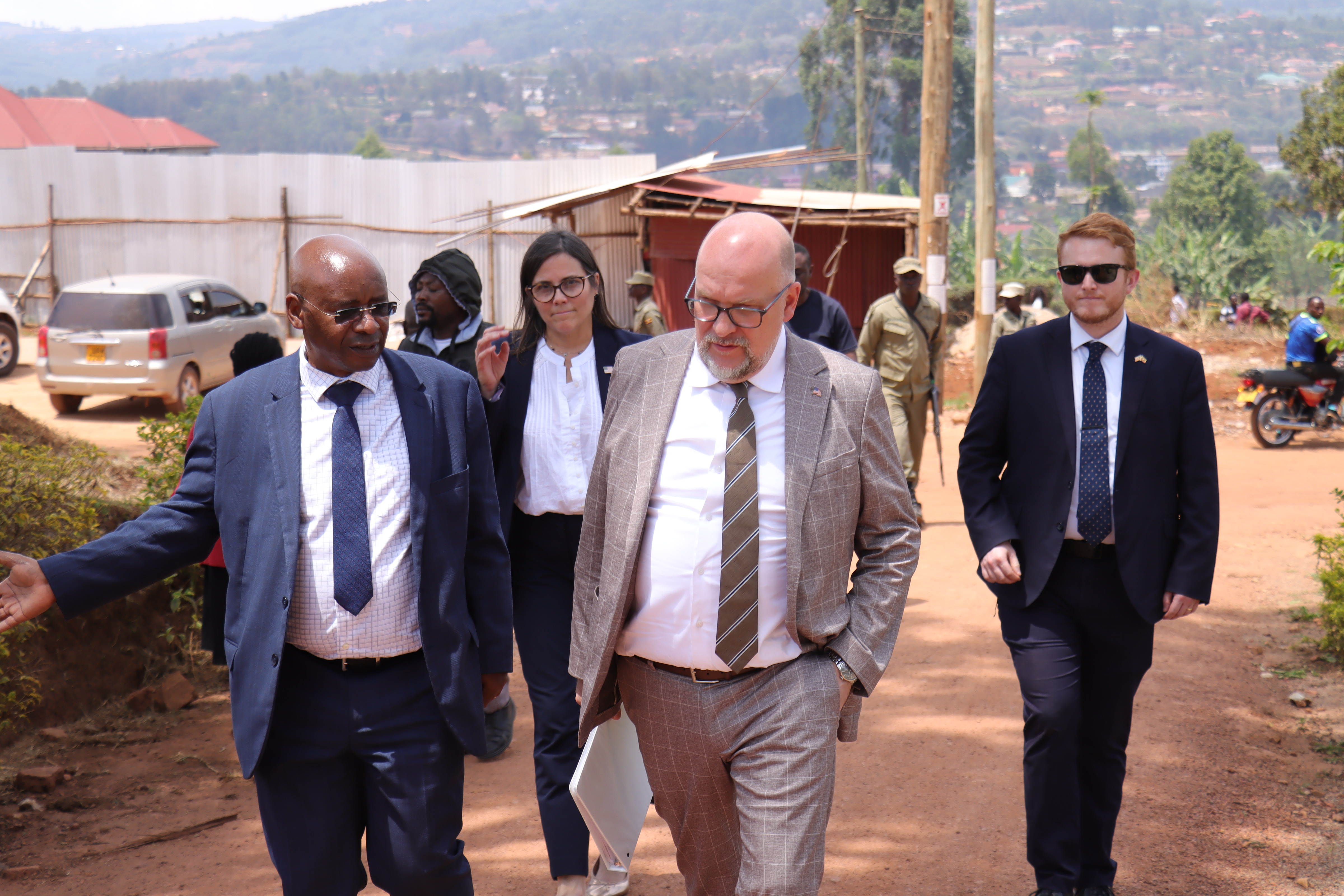
Cleverley responded that he would take the identified areas of cooperation back to relevant teams at the U.S. Embassy to explore possible avenues for advancing them. He also acknowledged the research and academic capacity at Kabale University as an opportunity for broader international collaboration.
“There’s no reason why the world shouldn’t come here, also,” Cleverley told the University community.
Kabale District Resident District Commissioner Godfrey Katamba welcomed the visit, noting that stronger cooperation among Kabale University, the United States, and local leaders could help address community needs and promote development in the region.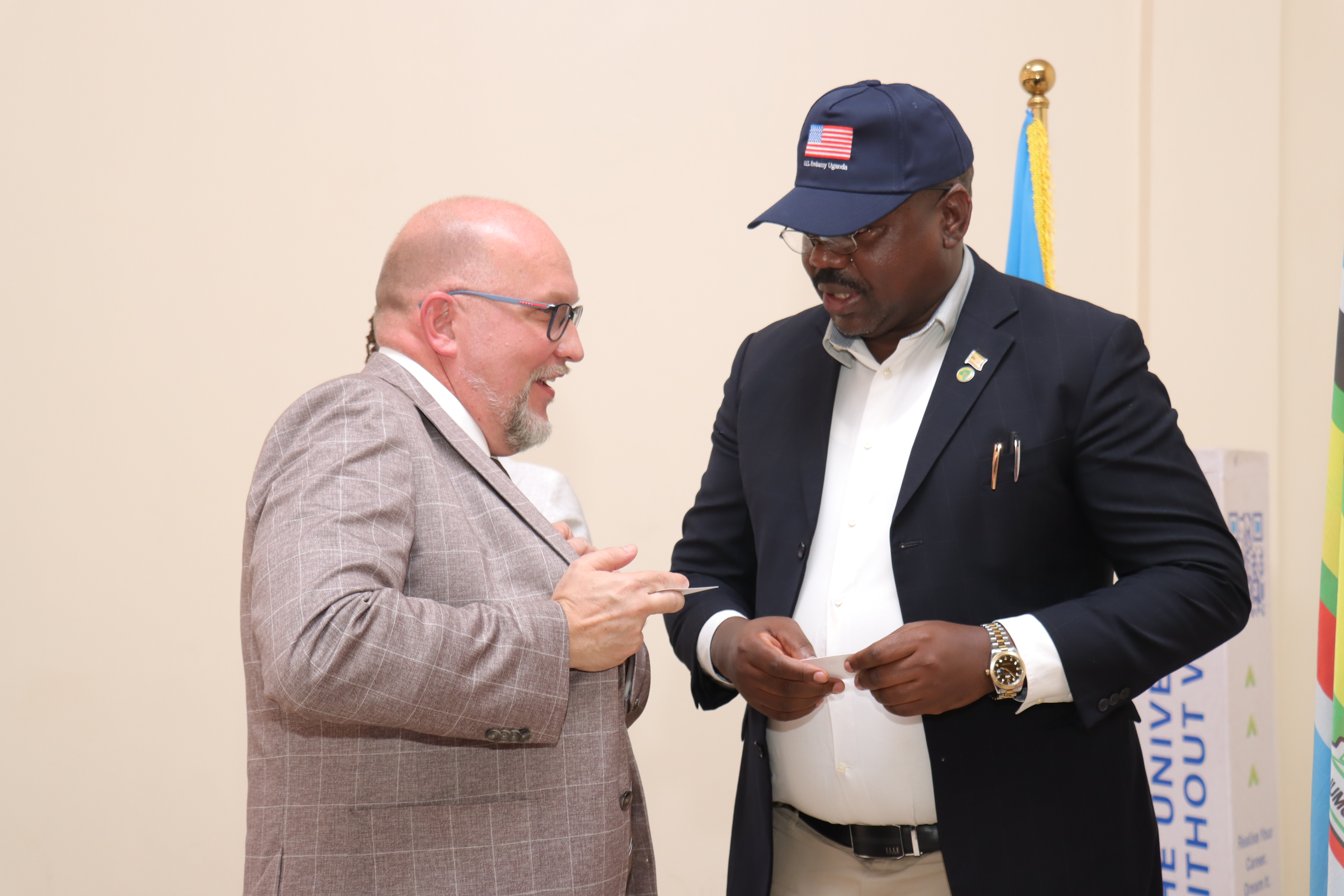
He urged the University and its partners to ensure that research and innovation translate into tangible benefits for young people, farmers, and communities facing health and economic challenges.
The visit provides a platform for further engagement on research collaboration, student and staff exchanges, innovation, entrepreneurship and community development between Kabale University and institutions in the United States.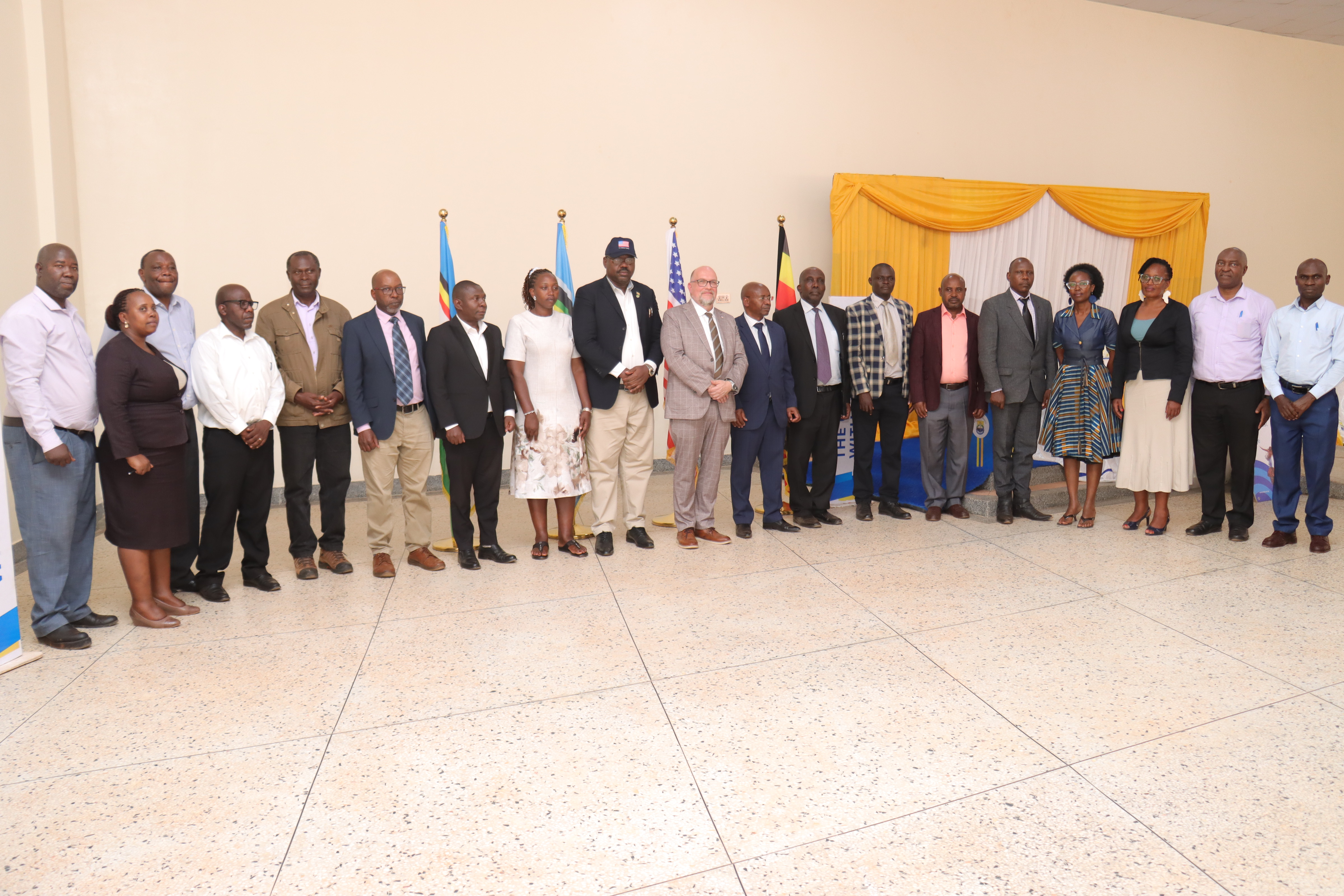
Discover more from Kabale University News
Subscribe to get the latest posts sent to your email.




Leave a Reply